



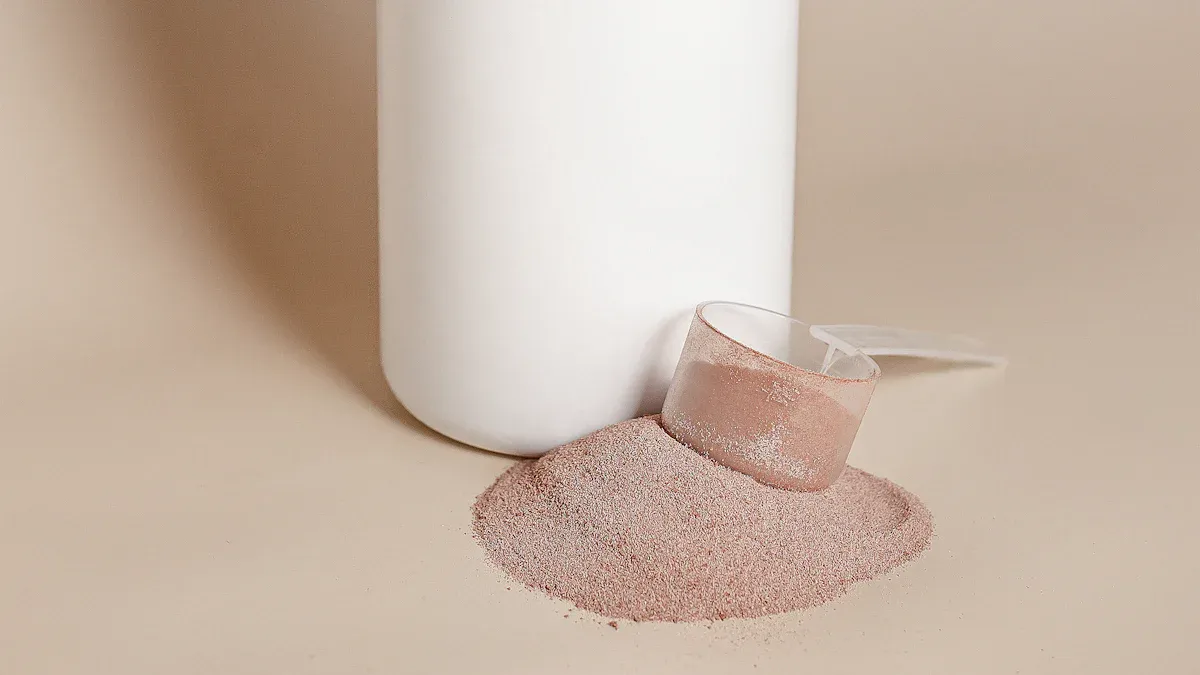
Yes, you can use food silica gel desiccant for food storage. Make sure you pick food-grade packets and use them the right way. Moisture can ruin food fast and cause trouble in your kitchen. Here is how moisture can hurt food:
Problem Type | Description |
|---|---|
Pathogen Growth | |
Biofilm Formation | Dirt and moisture can build up and make biofilm. Biofilm makes cleaning harder. |
Cross-Contamination Risk | Water drops on surfaces can spread germs between foods. |
Transport of Microorganisms | Moisture can move dirt and germs to other places, causing more contamination. |
You want your food to stay fresh and safe. Food Desiccant and Silica Gel Desiccant packets help stop moisture and keep food safe. Always read the label before you put silica gel packets in your food storage.
Key Takeaways
Only use food-grade silica gel packets for food storage. This keeps food safe and avoids bad chemicals.
Moisture can ruin food fast. It can cause mold and make snacks soggy. Keep food dry to keep it good.
Put silica gel packets at the top and bottom of containers. This gives the best protection from moisture.
Always look for FDA and CE certifications on silica gel packets. These show the packets are safe for food.
Do not let silica gel packets touch food. Use trays or paper to keep them apart.
Keep silica gel packets in airtight containers before using them. This stops them from getting wet too soon.
You can reuse silica gel packets. Dry them in an oven or dehydrator to make them last longer.
Teach kids and pets about the dangers of silica gel packets. This helps stop them from eating the packets by mistake.
Why Moisture Matters in Food Storage
Effects on Food Quality
You want your food to taste good and stay fresh. Moisture can change everything. When you store food, too much water in the air can sneak into packages. This makes snacks soggy and powders clump together. If you seal food poorly, outside moisture gets inside and ruins the quality. Sometimes, food loses its own moisture and dries out faster. That makes it tough and hard to eat.
Here’s a quick look at how moisture levels affect different foods:
Moisture Level | Impact on Quality |
|---|---|
8-9% | Acceptable for production |
>10.5% | Flakes become tough |
>6.5-7% | Raisins become tough |
Inadequate sealing | Leads to spoilage and quality loss |
Microbial growth also depends on moisture. Bacteria and mold need water to grow. If you let moisture build up, you invite germs that spoil food. Even dried foods can get moldy if the humidity in your storage area goes up. You might think dried foods are safe, but they can absorb water from the air and become unsafe.
Foods Most Vulnerable
Some foods need extra care because they soak up moisture easily. Dried fruits, jerky, and cured meats can reabsorb water if you leave them out or use poor packaging. Sugar, salt, and grains also pull moisture from the air. If you store these foods in a humid place, they can spoil quickly.
You should always check your storage area. High humidity can cause mold and bacteria to grow on dried foods. That leads to spoilage and waste. If you want to keep your food safe, use proper packaging and keep it dry.
Signs of Moisture Damage
You can spot moisture damage if you know what to look for. Here are some common signs:
Powders start to cake and clump, making them hard to use.
Snacks lose their crunch and turn soggy or stale.
Mold or bacteria show up on dried foods, causing spoilage.
High-fat foods change color or taste bad because moisture speeds up rancidity.
If you see any of these problems, your food may not be safe to eat. You should check your storage methods and fix any issues with humidity or sealing.
How Food Silica Gel Desiccant Works
What Is Silica Gel?
Silica gel is a small bead that looks like clear sand. It is made from silicon dioxide, which is found in quartz. Silica gel does not have a crystal shape. Its shape helps it trap water well.
Silica gel has tiny holes and spaces inside.
These spaces can hold water, liquids, or gases.
The gel is very porous because of its odd structure.
You can find silica gel packets in many things. Only food silica gel desiccant is safe for storing food.
Moisture Absorption Process
Silica gel packets pull water out of the air. When you put them in a closed container, they start to soak up water vapor. The beads feel dry even when they absorb moisture. Food-grade silica gel can take in up to 40% of its weight in water. Most packets absorb about 25-30% in normal conditions. This helps keep snacks and dried fruits fresh. You do not have to worry about soggy crackers or clumpy powders if you use these packets right.
Tip: Always use silica gel packets in sealed containers. This helps them work better and keeps your food safe from wet air.
Food-Grade vs. Non-Food-Grade
Not all silica gel packets are safe for food. You need to know the difference between food-grade and regular types. Food-grade silica gel desiccant is made to touch food. It follows strict safety rules and does not have harmful chemicals. Regular packets may have unsafe stuff for food storage.
Here is a quick comparison:
Aspect | Food-Grade Desiccants | Regular Desiccants |
|---|---|---|
Raw Material Composition | Silica gel, approved by the FDA, safe for food contact. | May have silica gel, quicklime, calcium chloride, or calcium sulfate. |
Production Requirements | Must follow food hygiene rules and pass tough checks. | Focus on drying, with less strict hygiene rules. |
Packaging Form | Safe, breathable materials with clear food labels. | Cheap packaging, often missing food-use labels. |
Application Scenarios | Used in food packs to stop spoilage and keep food fresh. | Used in other industries to protect things from moisture. |
Safety | High safety standards; usually safe if eaten. | Some can be harmful or cause skin problems if touched or eaten. |
You should always pick food-grade packets for food storage. Regular desiccants can add bad chemicals to your food. Some may have acids, heavy metals, or anti-caking agents that are not safe. Using the wrong kind can cause health problems and even recalls.
Note: Always check the label for food-grade proof before using silica gel packets with food.
Safety of Food Silica Gel Desiccant Packs
Food-Grade Certification
You want to keep your food safe, so you need to choose the right silica gel packets. Not every packet is made for food storage. Only food-grade silica gel packets have the certifications that prove they are safe for food contact. These certifications show that the packets meet strict rules and do not contain harmful chemicals.
Here’s a table showing the most important certifications you should look for:
Certification | Description |
|---|---|
Complies with food-grade standards. | |
EU | Meets European food safety regulations. |
RoHS | Ensures materials are non-toxic and safe. |
CE | Meets requirements for food contact. |
EFSA | Complies with European food safety standards. |
If you see these certifications on the label, you can trust the packets to help prevent spoilage and keep your food fresh. Always check for these marks before you buy food silica gel desiccant.
Chemical-Free and BPA-Free
You might worry about chemicals in your food. Food-grade silica gel packets are made from non-toxic materials. They do not contain BPA or other harmful chemicals. You can feel confident using them because they follow FDA rules for safety. These packets will not add anything bad to your food, even if you use them for a long time.
Tip: If you want to keep your snacks safe from moisture and humidity, always pick packets that say “food-grade” and “BPA-free” on the package.
Risks of Improper Use
You need to use silica gel packets the right way. If you use non-food-grade packets, you could put your health at risk. Some packets have toxic coatings like cobalt chloride. These can be dangerous if they touch your food or if someone eats them by mistake.
Here are some risks you should know about:
Choking hazard, especially for children and pets.
Breathing in dust from packets can irritate your lungs.
Some packets have coatings that are toxic if swallowed.
A case showed that an elderly man had trouble swallowing after he accidentally ate a cylindrical desiccant canister. This kind of accident can happen with both new canisters and traditional packets. Poison control centers get hundreds of calls every year about people eating silica gel packets, mostly young children. Even though food-grade silica gel is not toxic, you should never eat it. The packets can get stuck in your throat or cause choking.
Alert: Never let packets touch your food directly. Always keep them away from children and pets. If a packet breaks, throw it away right away.
If you follow these safety tips, you can use food silica gel desiccant to protect your food from moisture and spoilage. You will keep your storage area safe and your snacks fresh.
How to Use Food Silica Gel Desiccant
Choosing the Right Packets
Picking the right silica gel packets makes a big difference when you want to keep your food fresh. You need to match the packet size and number to your container. If you use too little, moisture can still get in. If you use too much, you waste space and money. Here’s a simple table to help you choose:
Factor | Description | Example |
|---|---|---|
Volume Protection | Think about the size of your storage container. | Small packets protect a few cubic inches; large packs cover several cubic feet. |
Packet Size | The size of the packet helps spread it out in the container. | A 1g pack fits small jars; a 1000g pack works for big bins. |
Storage Container Size | The bigger the container, the more or bigger packets you need. | A 5-gallon pail may need several 10g packs or one 500g pack. |
Moisture Level | High humidity means you need stronger moisture absorbers for storage. | A 100g pack can handle up to 2.7 cubic feet in humid places. |
If you are storing powdered food products, you want to use enough packets to keep clumping away. Always check the label for food-grade and safe use.
Placement in Containers
You might wonder how to use silica gel for the best results. Where you put the packets matters a lot. Here’s a step-by-step guide to help you:
Top and Bottom Placement
You get the best protection when you place packets at both the top and bottom of your container. Moisture can sneak in from any direction. By putting one packet on the bottom and another on top, you make sure the whole container stays dry. For example, if you store crackers or bread crumbs, place a packet near them and another at the top. This keeps everything crisp and fresh.
Avoiding Direct Contact
Never let silica gel packets touch your food directly. Even though food-grade packets are safe, you do not want them to break open in your food. You can use a small tray or a piece of clean paper to separate the packets from the food. For coffee, attach the packet to the lid. For spices, tuck the packet in a corner of the jar. Always keep the packets easy to find and away from where you scoop or pour.
Tip: Using silica gel packets in airtight containers works best. This keeps the moisture absorbers for storage working longer and keeps your food safe.
Sealing and Storage Tips
You want your food to stay fresh as long as possible. Here are some best practices for using silica packets and sealing your containers:
Always use containers with tight lids. This stops new moisture from getting in.
Check your containers for dents, cracks, or rust. Even a small hole can let in moisture.
Store unopened packets in an airtight tub or foil pouch until you need them.
Make sure the floor, roof, and sides of your container are in good shape.
For pet food, use airtight bins and add a packet to keep it fresh.
If you follow these tips, your moisture absorbers for storage will work better. You will keep your food safe and dry for longer.
Note: Good sealing is the key to stopping moisture. Always double-check your lids and packets before storing food.
By following these steps, you can master how to use silica gel and keep your food in top shape. These simple habits help you avoid common mistakes and get the most out of your silica gel packets.
Reusing Silica Gel Packs
You might wonder if you can reuse silica gel packs after they soak up moisture. Good news—you can! Reusing them saves money and helps the environment. You just need to dry them out the right way.
You have two main options for drying silica gel packs:
Method | Temperature (°F) | Duration |
|---|---|---|
Food Dehydrator | 120 | 2 or more hours |
200-250 | 1-2 hours |
If you use an oven, set the temperature between 200 °F and 250 °F. This range dries out the beads without hurting the packet’s wrapper. Higher heat can melt or damage the outside. You want to keep the packets safe for food storage.
Here are some easy steps to follow:
Place the silica gel packs on a clean baking tray.
Spread them out so air can move around each packet.
Heat them in the oven for 1 to 2 hours.
Let them cool before you put them back with your food.
If you use a food dehydrator, set it to 120 °F. Leave the packets inside for at least two hours. Check if the beads feel dry before you use them again.
Tip: Always check the packets for damage before reusing. If you see holes or tears, throw them away. Broken packets can spill beads into your food.
You need to know about some risks when you reuse silica gel packs. Some packets have cobalt chloride, which can cause health problems. You should only reuse food-grade packets. Never use packs with blue beads or packs that do not say “food-grade.” Swallowing silica gel can cause dehydration and stomach issues. The beads can also be a choking hazard for kids and pets. Breathing in silica dust can hurt your lungs.
Here’s a quick safety checklist:
Only reuse packets labeled food-grade.
Keep packets away from children and pets.
Do not open the packets or eat the beads.
Check for dust or broken wrappers before using.
If you follow these steps, you can safely reuse silica gel packs for storing powdered food products and other snacks. You now know how to use silica gel again and again without worry.
Safety Tips and Common Mistakes
Keep Away from Children and Pets
You want to keep your home safe, so always make sure silica gel desiccant packs stay out of reach of children and pets. These little packets might look harmless, but kids and animals can mistake them for candy or treats. If you find any loose packets, toss them out right away. You can teach your kids about the dangers of silica gel. Let them know that if they ever see a packet, they should bring it to you for safe disposal. Pets are curious, too. Store your food and silica gel packs in places where pets cannot get to them. This simple step helps prevent accidents and keeps everyone safe.
Dispose of any silica gel packets you find to reduce the risk of children and pets accessing them.
Educate children about the dangers of silica gel packets and encourage them to bring any they find to an adult for disposal.
Tip: Keep silica gel packets in sealed containers or high shelves. This keeps them away from little hands and paws.
Never Open or Eat Packets
Silica gel packets are not food, even if they come with your snacks. You should never open or eat these packets. Most silica gel is nontoxic, but eating it can still cause problems. If you swallow a packet, you might get an upset stomach. For kids, the risk is higher. The beads can cause choking, which is very dangerous. If a child swallows silica gel, call Poison Control for help. Pets can also get sick if they eat silica gel. They might have stomach upset or diarrhea. If a pet eats a lot, it could block their intestines.
Silica gel is generally nontoxic, but large amounts can cause an upset stomach in both humans and pets.
Ingesting silica gel can lead to choking, especially in children.
If a child swallows silica gel, it is advised to call Poison Control for guidance.
Pets may experience stomach upset and diarrhea if they consume silica gel, and large amounts could lead to intestinal obstruction.
Alert: Never open silica gel packets. Always keep them whole and away from food surfaces.
Handling Broken Packs
Sometimes, silica gel packets break open. If you see a broken packet, you need to act fast. First, pick up the beads and throw them away. Do not let kids or pets touch them. You can put the broken packet in the regular trash if it is nontoxic. If the packet has colored beads, like blue or pink, it might contain chemicals such as cobalt chloride. These packets need special care. Check your local waste rules and treat them as hazardous waste if needed.
Here’s what you can do with broken or unwanted packets:
Throw non-toxic silica gel in the regular trash, but keep it out of reach of children and pets.
If the packet has indicator chemicals, follow local hazardous waste guidelines.
Always check the packet label before disposal.
Never reuse broken packets for food storage.
Note: If you want to reuse silica gel, only use packets that are in good shape. You can dry them out in the oven at a low temperature to make them last longer.
Taking these steps helps you keep your storage area safe and your family protected.
Mistakes to Avoid
You want your food to stay fresh, so you need to watch out for some common mistakes when using silica gel desiccant packs. Many people think these packets are simple, but a few small errors can ruin your food or waste your money. Let’s look at the most frequent slip-ups and how you can fix them.
Here’s a table that shows the top mistakes people make with silica gel desiccant packs, along with easy solutions:
Mistake | Description | Fix |
|---|---|---|
Guessing Desiccant Size | You grab a packet size based on habit or old advice, not what your food really needs. | Figure out how much water your food might release. Use humidity loggers to check if the packet works. |
Using the Wrong Desiccant Chemistry | Not all desiccants work the same way. Some don’t match your food or container. | Pick the right chemistry for your food type and storage container. |
Dropping Packets Where They Get Crushed | If you toss packets in the wrong spot, they can break open or stick to the packaging. | Place packets just before sealing and keep them away from the edges. |
Ignoring Film Changes | New packaging film can let in more moisture than you expect. | Recalculate how much moisture your packets need to handle every time you change packaging. |
Sealing Product While it is Still Warm | Warm food releases steam, which can fill up the packet too fast. | Let your food cool down before sealing, or use bigger packets. |
Letting Desiccants Pre-Saturate | Leaving packets out in humid air makes them useless before you even use them. | Store packets in airtight bins and keep humidity below 50%. |
Skipping In-Pack Monitoring | You guess the packets are working, but you never check. | Use small humidity loggers to track moisture inside your containers. |
Never Revisiting Legacy Specs | Old packet sizes and rules might not work for new foods or containers. | Review your specs every year or after big changes. |
Forgetting Arrival Checks | Problems often show up only after complaints. | Make a checklist for your warehouse team to inspect packets when they arrive. |
Treating Moisture Control in Isolation | You focus only on moisture, ignoring other storage issues. | Combine moisture control with other food safety steps. |
You might think grabbing any packet will do the trick, but size and chemistry matter. If you use the wrong type, your food can spoil or get soggy. Sometimes, packets get crushed during packing. Broken packets can leak dust or beads into your food. Always check your packets before sealing your containers.
Another mistake is ignoring changes in packaging. If you switch to a new bag or jar, the old packet size might not work anymore. You need to recalculate how much moisture your food will release. Warm food is another problem. If you seal food while it’s hot, steam can fill up the packet too quickly. Let your food cool down first.
Leaving packets out in humid air is a big mistake. They soak up moisture before you even use them. Always store unused packets in airtight bins. Keep the humidity low in your storage area. Don’t forget to check how well your packets work. You can use small humidity loggers to track moisture inside your containers.
Old habits can cause trouble. If you always use the same packet size, you might miss new problems. Review your packet specs every year. When packets arrive at your warehouse, inspect them before use. Sometimes, issues only show up after customers complain.
Moisture control works best when you combine it with other food safety steps. Don’t treat it as a separate job. Work with your team to keep food fresh and safe.
Tip: Avoid these mistakes and you’ll get the most out of your silica gel desiccant packs. Your food will stay crisp, dry, and ready to eat.
Alternatives to Food Silica Gel Desiccant
Other Desiccant Types
You might think only silica gel keeps food dry. But there are other choices. Each kind works best in different cases. Here are some common options:
Clay Desiccants
Clay packs soak up water in big, wet spaces. You can use them for lots of grains or seeds. They fill up fast and need changing often. Clay does not work well in hot places, so keep it cool.Molecular Sieves
These packs catch water at a tiny level. Use them when you need very dry air, like for spices or medicine. Molecular sieves work quicker than silica gel but cost more money.Oxygen Absorbers
Oxygen absorbers do not take in water. They remove oxygen from containers. This stops food from spoiling and keeps it fresh. You see them in jerky or dried fruit packs. Oxygen absorbers are used once and cannot be reused.Activated Charcoal
Charcoal has lots of tiny holes. It grabs water and smells. You can use it for grains or seeds to keep them fresh.Rice and Wood Ash
Rice is cheap and easy for soaking up water. Put a small bag of rice in with snacks or seeds. Wood ash works for seeds that are not fully dry.Cat Litter
If you run out of regular desiccants, cat litter can help. Make sure it is plain and safe for food before using.Powdered Dry Milk
Dry milk at the bottom of a container pulls in water. You can use it for grains or baking mixes.
Here is a table to compare these choices:
Desiccant Type | Best Use | Reusability | Notes |
|---|---|---|---|
Silica Gel | Yes | Works in heat, safe to use | |
Clay | Big, wet areas | No | Needs changing often |
Molecular Sieve | Very dry air | Yes | Fast, costs more |
Oxygen Absorber | Removes oxygen | No | Used once |
Activated Charcoal | Smell + water | Yes | Good for grains, seeds |
Rice | Simple water control | No | Cheap, easy to get |
Cat Litter | Emergency use | No | Only use plain, safe kind |
Dry Milk | Grain storage | No | Soaks up water |
Tip: You can find silica packs online, in kitchen stores, or ask at food packaging shops.
When to Use Alternatives
Sometimes you need something besides silica gel. If you store food in a very wet place, clay works better for big bins. If you want to keep oxygen away from dried meat or snacks, use oxygen absorbers. If you want to stop water and smells, charcoal helps a lot.
If you need a quick fix, rice works for small snacks or seeds. Wood ash is good if you dry seeds at home and want extra help. Cat litter is useful if you have no other choice, but make sure it is safe for food.
Pick the right desiccant for your food, container size, and storage place. If you want to use packs again, silica gel and molecular sieves are good picks. Oxygen absorbers and clay packs are used once and need replacing.
Note: Always check if an alternative is safe before using it with food. Food-grade materials keep your snacks and ingredients safe.
You can rely on food silica gel desiccant to keep food fresh. It helps stop moisture and spoilage. Silica gel packets work well because they hold a lot of water. They are safe to use and you can use them again. Always check for FDA or CE marks before using them with powdered foods. Look for clear labels on each packet. Use food-grade packets and do not let them touch food. Keep packets away from children and pets. Put silica gel packets in sealed containers. Watch for changes in humidity. This keeps your food dry and safe.
Property | Description |
|---|---|
Silica gel grabs and holds water. This helps stop food from going bad. | |
Non-corrosive | It does not harm or break down things. This keeps food safe while stored. |
Non-toxic | It is safe to use with food, especially white silica gel. This makes food safer. |
Regenerable | You can heat and reuse it. This saves money for long-term food storage. |
Versatile | It comes in many sizes and shapes. You can use it for different foods. |
Always use food-grade desiccants and safe materials made for food.
Make sure packets do not break or leak by checking them often.
Label every packet clearly and add warning signs.
Certification Type | Details |
|---|---|
Yes | |
CE Compliance | Yes |
Material Used | DuPont Tyvek® |
Pictogram | “Do not eat” stamped |
Compliance Note | Must stay dry and not touch oily stuff |