



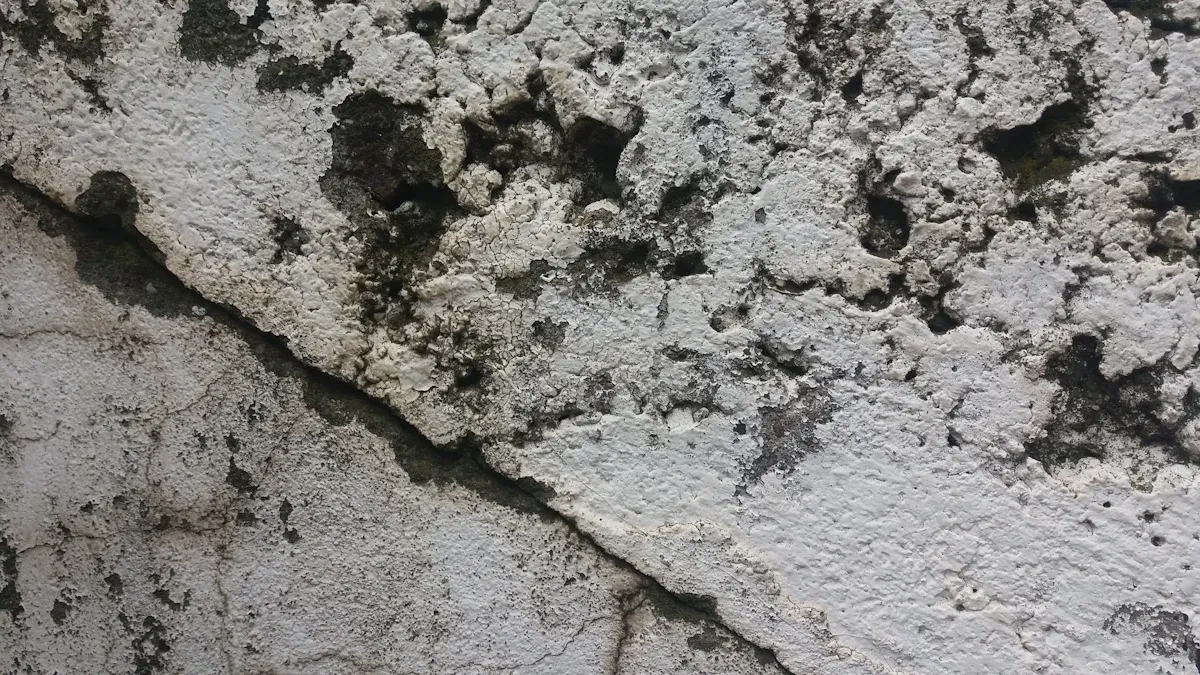
نعم، أ مادة مجففة يساعد على إيقاف العفن والعفن الفطري. يقوم بذلك عن طريق خفض الرطوبة في غرفتك. فكر في فتح خزانة ملابسك وشم رائحة كريهة. أو تجد بقعاً رطبة في حمامك. قد تسأل عما إذا كان هناك حل سهل. ينمو العفن في المنازل عندما الرطوبة أكثر من 60%. تعاني العديد من المنازل في الولايات المتحدة من الرطوبة أو العفن. يحدث هذا أكثر في الأماكن التي تهطل فيها أمطار كثيرة. المجفف يمتص الرطوبة. إنها طريقة جيدة للحفاظ على أغراضك جافة وجديدة.
الوجبات الرئيسية
المواد المجففة تمتص الماء. يساعد ذلك على إيقاف العفن والعفن في المنزل.
حافظ على رطوبة الهواء في منزلك أقل من 60%. فهذا يوقف نمو العفن بشكل جيد.
غالباً ما ينمو العفن في الحمامات والمطابخ والطوابق السفلية. افحص هذه الأماكن كثيراً.
عبوات هلام السيليكا المجفف آمنة. تعمل بشكل جيد للحفاظ على الطعام والإلكترونيات جافة.
قم بتغيير المجففات عندما تبدو رطبة أو يتغير لونها. هذا يحافظ على عملها بشكل جيد.
ضع المجففات في أماكن مغلقة مثل الصناديق أو البرطمانات. هذا يعمل بشكل أفضل لمكافحة العفن.
استخدم مجففات ذات تدفق هواء جيد ونظفها باستمرار. يساعد ذلك على إيقاف العفن بشكل أكبر.
راقب وجود الماء في منزلك، مثل قطرات الماء على النوافذ. فهذا يساعدك على اكتشاف مشاكل العفن مبكراً.
أساسيات العفن والرطوبة
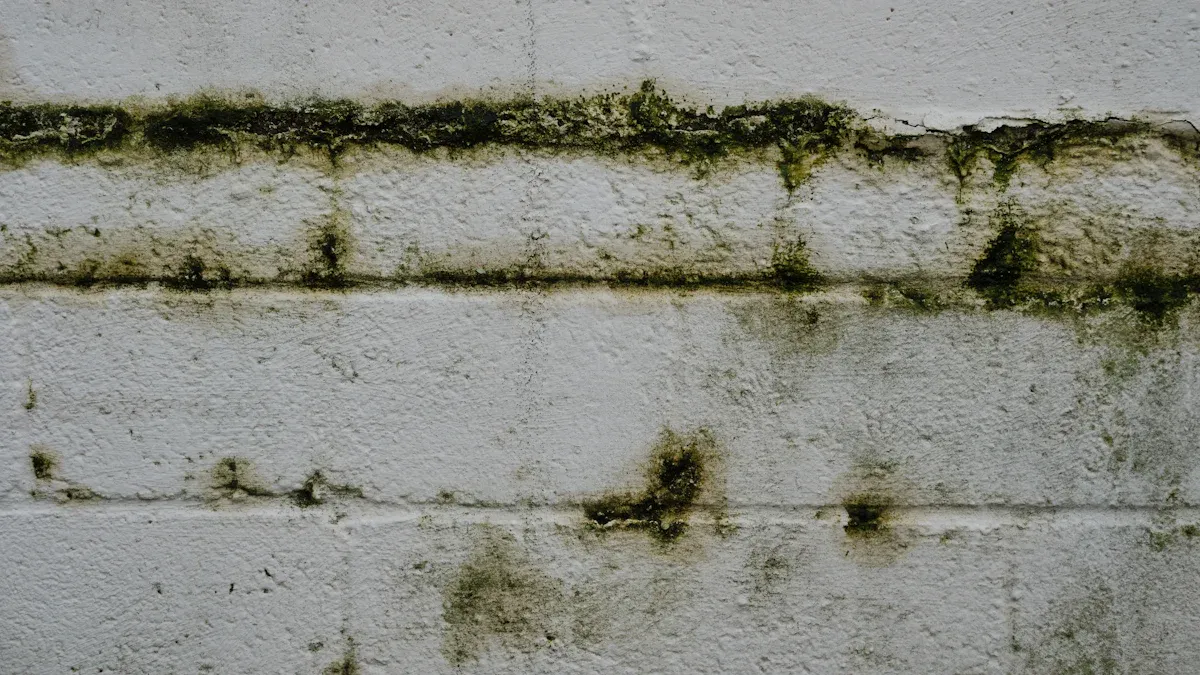
كيف ينمو العفن
قد تتساءل عن سبب ظهور العفن في منزلك. العفن هو نوع من الفطريات. يحب الأماكن التي يمكن أن ينتشر ويتكاثر فيها. الشيء الرئيسي الذي يحتاجه العفن هو الرطوبة. عندما يشعر الهواء بالرطوبة أو الرطوبة، تستقر جراثيم العفن وتبدأ في النمو. تزدهر معظم العفن في درجات الحرارة التي تشعرك بالراحة. إذا ارتفعت الرطوبة النسبية في منزلك عن 60%، يمكن أن يبدأ العفن في النمو. يتسارع نمو العفن عندما تبقى الرطوبة مرتفعة لفترة طويلة.
إليك ما يحتاجه العفن للنمو
الرطوبة في الهواء أو على الأسطح
درجات حرارة دافئة، تتراوح عادة بين 68 درجة فهرنهايت و77 درجة فهرنهايت
مصدر غذائي، مثل الخشب أو الورق أو حتى الغبار
إذا قمت بمراقبة هذه الأشياء، يمكنك إبطاء نمو العفن.
لماذا الرطوبة مهمة
الرطوبة هي أكبر سبب لظهور العفن داخل المنزل. عندما يكون لديك سقف مسرب أو ماسورة تقطر، يتجمع الماء ويخلق بقعة مثالية للعفن. حتى التكثيف على النوافذ أو الجدران يمكن أن يؤدي إلى نمو العفن. مستويات رطوبة عالية تجعل من السهل على جراثيم العفن أن تستقر وتتكاثر. إذا ظلت الرطوبة في الأماكن المغلقة أعلى من 60%، يسهل نمو العفن.
نصيحة: حاول أن تحافظ على الرطوبة النسبية في منزلك أقل من 60%. استخدم مزيل الرطوبة أو افتح النوافذ في الأيام الجافة.
يمكن أن تأتي الرطوبة من العديد من المصادر:
تسرب المياه من الأسقف أو السباكة
الفيضانات أو الانسكابات
البخار الناتج عن الاستحمام أو الطهي
إذا كنت التحكم في الرطوبة, ، يمكنك التحكم في نمو العفن.
المناطق الشائعة المعرضة للعفن
بعض الأماكن في منزلك أكثر عرضة للإصابة بمشاكل العفن. قد تلاحظ وجود العفن في الحمام أو القبو أو المطبخ. غالباً ما تحتوي هذه المناطق على رطوبة أكثر من الغرف الأخرى. إذا كنت تعيش في مكان تتساقط فيه الكثير من الأمطار أو بالقرب من الساحل، فقد يكون منزلك أكثر عرضة للإصابة بالعفن.
إليك الأماكن التي يحب العفن أن ينمو فيها:
الحمامات، خاصة حول الحمامات والمغاسل
الطوابق السفلية ذات التهوية السيئة
المطابخ، بالقرب من الأحواض وتحت الخزانات
المناطق التي بها تسرب المياه أو الفيضانات
المنازل القديمة المصنوعة من الخشب أو الجص
إذا قمت بفحص هذه المناطق باستمرار، يمكنك اكتشاف نمو العفن مبكراً. يساعد الحفاظ على جفاف هذه المساحات على منع انتشار العفن.
ما هو المجفف؟
قد تجد عبوات صغيرة في الأحذية الجديدة أو عبوات الطعام. تسمى هذه العبوات المجففات. فهي تحافظ على جفاف الأشياء عن طريق امتصاص الرطوبة من الهواء. إذا كنت ترغب في إيقاف العفن، يجب أن تعرف كيف المجففات العمل ومكان استخدامها.
أنواع المواد المجففة
ليس كل مادة مجففة تعمل بالطريقة نفسها. بعضها أفضل لأماكن معينة. فيما يلي جدول يوضح الأنواع الشائعة قد تراها في المنزل
نوع المجفف | الخصائص | التطبيقات |
|---|---|---|
طين المونتموريلونيت | توجد في الطبيعة، وتعمل تحت 120 درجة فهرنهايت، وتكلفة الرطل الواحد أقل. | الطب والصيدلة |
هلام السيليكا المجفف | يمتص الرطوبة حتى 220 درجة فهرنهايت، آمن للطعام. | الأغذية والمستحضرات الصيدلانية |
كلوريد الكالسيوم | تمتص الكثير من الماء وتحوله إلى سائل. | حاويات الشحن، الأماكن الرطبة |
الفحم النشط | يمتص الرطوبة وينظف الهواء ويزيل الروائح الكريهة. | الأغذية، الاستخدامات الطبية |
ربما ترى هلام السيليكا المجفف الحزم في أغلب الأحيان. هلام السيليكا المجفف آمن للطعام ويعمل في العديد من الأماكن. طين المونتموريلونيت رخيص الثمن ويستخدم في الطب. كلوريد الكالسيوم قوي ويعمل في الأماكن الرطبة جداً. الفحم المنشط يساعد في التخلص من الروائح والسموم.
كيفية عمل المواد المجففة
المواد المجففة تسحب الماء من الهواء. يمكنك اعتبارها مثل الإسفنج الصغير. وهي تفعل ذلك بطريقتين:
الجفاف الفيزيائي: الجفاف مادة مجففة تمتص الماء.
الجفاف الكيميائي: الجفاف الكيميائي مادة مجففة يتفاعل مع الماء ويحبسه.
عندما يلامس بخار الماء مادة مجففة, فإن يلتصق الماء بسطحه أو تملأ الثقوب الصغيرة بالداخل. هلام السيليكا المجفف تلتقط جزيئات الماء وتحتجزها في مسامها. هلام السيليكا المجفف جيد في ذلك لأنه يحتوي على الكثير من المساحات الصغيرة. معظم المجففات استخدام الامتزاز الفيزيائي، مما يعني أن الماء يلتصق بسطحها. هلام السيليكا المجفف يستخدم التكثيف الشعري، لذلك يمكنه خفض الرطوبة في مكان مغلق.
ملاحظة: يعتقد البعض أن المجففات يدوم إلى الأبد أو أن المزيد دائمًا أفضل. هذا ليس صحيحاً. هلام السيليكا المجفف يمكنها استيعاب الكثير من الماء فقط قبل أن تتوقف عن العمل. تحتاج إلى استبداله أو إعادة شحنه.
أماكن استخدام المواد المجففة
يمكنك استخدام المجففات في العديد من الأماكن إلى إيقاف العفن. هلام السيليكا المجفف العبوات شائعة في عبوات الطعام وزجاجات الأدوية والإلكترونيات. يمكنك وضعها في صناديق التخزين أو الخزائن أو حقائب الكاميرا. هلام السيليكا المجفف يساعد في الحفاظ على الوجبات الخفيفة طازجة والأدوات في مأمن من الرطوبة.
فيما يلي نظرة سريعة على مكان المجففات مساعدة أكثر من غيرها:
الصناعة | الغرض من المواد المجففة |
|---|---|
المنسوجات والأقمشة | أوقف العفن والتلف أثناء الشحن عن طريق امتصاص الرطوبة. |
الأغذية، والسلع الاستهلاكية، والزراعية | حماية الطعام من العفن والفساد والحشرات عن طريق التحكم في الرطوبة. |
المشغولات اليدوية والمواد الفنية | حافظ على العناصر الحساسة آمنة وجيدة من خلال التحكم في الرطوبة. |
مستحضرات التجميل والمستحضرات الصيدلانية | إيقاف تلف المكونات الحساسة في منتجات العناية الشخصية والطبية. |
يمكنك استخدام هلام السيليكا المجفف في المنزل أيضاً. جرب وضع العبوات في خزانة الملابس أو الحمام أو خزانة المؤن. هلام السيليكا المجفف من السهل العثور عليها وآمنة لمعظم الاستخدامات. إذا كنت تريد الحفاظ على الأشياء جافة وخالية من العفن, هلام السيليكا المجفف خيار ذكي.
كيف تمنع المواد المجففة العفن والعفن الفطري
عملية امتصاص الرطوبة
أنت تريد أن يبقى منزلك جافاً ومنتعشاً. تساعد المجففات في ذلك من خلال سحب الماء الزائد من الهواء. تعمل المجففات مثل ماسكات الرطوبة. فهي تلتقط الماء قبل أن يسقط على الأشياء ويسبب العفن أو العفن الفطري. إذا قمت بوضع مجفف هلام السيليكا في مكان مغلق، فإنه يبدأ العمل بسرعة. تحتوي بلورات السيليكا على ثقوب صغيرة تحبس الماء. وهذا يقلل من الرطوبة ويجعل من الصعب نمو العفن والعفن الفطري.
قد تسأل ما هي الرطوبة الآمنة. تقول وكالة حماية البيئة الحفاظ على الرطوبة بين 30% و60%. يساعد ذلك على إيقاف العفن والعفن. إذا كانت الرطوبة أعلى، ينمو العفن بسرعة. تعتبر عبوات هلام السيليكا المجفف رائعة لإيقاف العفن لأنها تحافظ على الرطوبة منخفضة. يمكنك استخدامها في صناديق أو برطمانات أو حاويات محكمة الغلق.
إذا كنت تحافظ على الرطوبة منخفضة، فإنك توقف العفن والعفن الفطري. يعد استخدام عبوات هلام السيليكا طريقة سهلة للحفاظ على جفاف الأشياء.
عبوات هلام السيليكا المجفف أثناء العمل
يمكنك العثور على عبوات هلام السيليكا المجفف في عبوات الطعام وزجاجات الأدوية وصناديق الأحذية. تعمل هذه العبوات على إيقاف العفن والعفن الفطري. هلام السيليكا هو مادة مجففة تمتص الكثير من الرطوبة. تحتوي البلورات الموجودة داخل كل عبوة على العديد من الثقوب الصغيرة. تلتقط هذه الثقوب بخار الماء وتحتجزه. من خلال الحفاظ على الهواء جافًا داخل العبوات، تعمل عبوات هلام السيليكا المجففة على منع العفن والعفن والبكتيريا.
إليك كيف تساعدك عبوات هلام السيليكا المجفف:
تحمي الوجبات الخفيفة والأطعمة الجافة من العفن والعفن.
تحافظ على الفيتامينات والحبوب في مأمن من الرطوبة.
فهي تمنع الإلكترونيات من التلف بسبب بخار الماء.
فهي تساعدك على تخزين الأوراق والصور دون قلق.
إذا كنت تريد إيقاف العفن والعفن في حاويات التخزين، استخدم عبوات هلام السيليكا. يمكنك وضع مجفف هلام السيليكا الهلامي في البرطمانات، أو حقائب الكاميرا، أو مع الأحذية. مادة هلام السيليكا الهلامية المجففة آمنة وسهلة الاستخدام وتصلح في العديد من الأماكن.
الفعالية في الأماكن المغلقة
تعمل المجففات بشكل أفضل في الأماكن المغلقة. عندما تقوم بإغلاق صندوق أو حاوية، فإنك تحبس الهواء بالداخل. تعمل عبوات هلام السيليكا المجففة على خفض الرطوبة في تلك المساحة. يحتاج العفن والعفن الفطري إلى الرطوبة للنمو. إذا قمت بإزالة الرطوبة، فإنك توقفها.
تظهر الدراسات أن المجففات في الأماكن المغلقة تساعد كثيراً. على سبيل المثال، وجد الباحثون أن أنظمة هواء خاصة مزودة بمواد مجففة سائلة وموجات فوق صوتية يمكنها إزالة أكثر من 90% من الرطوبة وجراثيم العفن. يوضح الجدول أدناه مدى جودة عمل هذه الأنظمة:
أسبكت | النتائج |
|---|---|
النظام | تكييف الهواء بالموجات فوق الصوتية السائلة المجففة بمساعدة الموجات فوق الصوتية المحمولة جواً (US-LDAC) |
أنواع العفن | أسبرجيلوس نيجر |
زيادة كفاءة التطهير | 50% مع الموجات فوق الصوتية |
تحسين معدل إزالة الرطوبة | أكثر من 90% |
الآلية | التجويف بالموجات فوق الصوتية يكسر الجراثيم |
الظروف الجوية | يعمل بشكل أفضل في الهواء الرطب ومع المحاليل المجففة الضعيفة |
إزالة العفن الهباء الجوي | جيد للأيروسولات بحجم 2.1-3.3 ميكرومتر |
لا تحتاج إلى آلات فاخرة في المنزل. ما عليك سوى استخدام عبوات هلام السيليكا المجفف في صناديق أو برطمانات أو أكياس مغلقة. سوف ترى عفنًا وعفنًا أقل. مجفف هلام السيليكا الهلامي رائع لإيقاف العفن في الأماكن التي تحتفظ فيها بالطعام أو الملابس أو الإلكترونيات. إذا كنت ترغب في الحفاظ على سلامة الأشياء، تحكم في الرطوبة واستخدم المجففات عندما تستطيع.
نصيحة: تحقق دائمًا من عبوات هلام السيليكا المجفف. إذا بدت رطبة أو تغير لونها، احصل على عبوات جديدة للحفاظ على الرطوبة منخفضة.
استخدام المجففات لمنع عفن الحمامات
نصائح لوضع الحمامات
تريدين أن تكون رائحة حمامك جميلة ومظهرك نظيفاً. تتراكم المياه بسرعة، خاصةً بعد الاستحمام. لـ أوقف عفن الحمام, ، يجب أن تعرف أين تضع المجففات. ضع عبوات هلام السيليكا في الزوايا حيث يبقى الماء. يمكنك وضعها بالقرب من الدش أو حوض الاستحمام لالتقاط البخار. خزائن الحمام تحتفظ بالرطوبة، لذا ضعي العبوات بداخلها للحفاظ على جفاف الأشياء.
إليك بعض الأماكن الجيدة للحزم:
ضعي عبوات هلام السيليكا في الزوايا الرطبة.
ضعيها بالقرب من الدش أو حوض الاستحمام للحصول على بخار.
خزّني العبوات داخل الخزانات لحماية المناشف وأدوات النظافة الشخصية.
نصيحة: تحقق من هذه البقع كل أسبوع. إذا كانت العبوات تبدو رطبة أو باهتة، استبدليها بأخرى جديدة.
اختيار المجفف المناسب
لا تعمل جميع المجففات بنفس الطريقة في الحمامات. لإيقاف عفن الحمام، اختر النوع المناسب. يعمل هلام السيليكا بشكل جيد في درجة حرارة الغرفة والرطوبة العالية. تراه في عبوات الطعام والأدوية. يشير إلى أن هلام السيليكا يتغير لونه عندما يمتلئ بالماء، حتى تعرف متى يجب استبداله. طين المونتموريلونيت رخيص وآمن، ولكنه يعمل بشكل أفضل تحت 120 درجة فهرنهايت. المناخل الجزيئية قوية وتتحمل الحرارة، لكن لا تستخدمها بالقرب من الطعام. ويساعد أكسيد الكالسيوم وكبريتات الكالسيوم في الرطوبة المنخفضة، ولكن لا تمتص الكثير من الماء.
إليك جدول لمساعدتك في الاختيار:
نوع المجفف | أفضل استخدام في الحمام | مزايا خاصة |
|---|---|---|
هلام السيليكا | التحكم العام في الرطوبة | معتمدة من إدارة الغذاء والدواء الأمريكية، تعمل في الرطوبة |
يشير إلى هلام السيليكا الدال | سهولة المراقبة | يتغير لونه عند التشبع |
طين المونتموريلونيت | خزانات الأدوية | الأقل تكلفة |
المناخل الجزيئية | البقع ذات درجات الحرارة المرتفعة | مادة ماصة قوية |
أكسيد الكالسيوم/كبريتات الكالسيوم | المناطق منخفضة الرطوبة | سعة رطوبة محدودة |
إذا كنتِ تريدين فحص العبوات بسهولة، استخدمي هلام السيليكا الإرشادي. بالنسبة لمعظم الحمامات، تعمل عبوات هلام السيليكا العادية بشكل جيد.
السلامة والصيانة
السلامة مهمة عند استخدام المجففات في حمامك. بعض الأنواع مثل كلوريد الكالسيوم, يمكن أن يزعج عينيك أو بشرتك. ارتدِ قفازات دائماً إذا كنت تلمس مادة مجففة سائبة. إذا كنت تستخدم كلوريد الكالسيوم، فاحفظه بعيدًا عن وجهك وارتدِ قناعًا حتى لا تستنشق الغبار. خزّن جميع المواد المجففة في حاويات مغلقة واحفظها بعيداً عن الأطفال والحيوانات الأليفة.
إذا دخلت المادة المجففة في عينيك، اشطفها بالماء لمدة 15 دقيقة. إذا لامست بشرتك، اغسلها بالماء والصابون. إذا استنشقت الغبار، اخرج إلى الخارج لاستنشاق الهواء النقي. استخدم دائماً المجففات في الحمام مع تدفق هواء جيد. حاول عدم إثارة الغبار عند إعادة التعبئة أو تغيير العبوات. تخلص من المجففات القديمة كما تقول بلدتك.
ملاحظة: افحص العبوات باستمرار. استبدلها إذا بدت رطبة أو تغير لونها. فهذا يساعد على منع تعفن الحمام ويحافظ على حمامك آمناً.
الفعالية والقيود
عندما تعمل المجففات بشكل أفضل
أنت تريد الحفاظ على منزلك في مأمن من العفن. تعمل المجففات بشكل أفضل في الأماكن الصغيرة المغلقة. يمكنك وضع عبوة في صندوق أو درج. فهي تلتقط الماء الزائد قبل أن ينمو العفن. يحتوي هلام السيليكا والمجففات الطينية على ثقوب صغيرة تحبس الماء. تعمل المجففات الطينية بشكل جيد من 32 درجة فهرنهايت إلى 120 درجة فهرنهايت. يعمل هلام السيليكا بشكل أفضل من 70 درجة فهرنهايت إلى 90 درجة فهرنهايت عندما يكون الجو رطبًا. يمتص كلوريد الكالسيوم الكثير من الماء، ولكن يجب عليك التحقق منه كثيرًا. تعمل المناخل الجزيئية بسرعة وتعمل بشكل جيد فوق 401 درجة فهرنهايت إلى 401 درجة فهرنهايت.
إليك جدول يوضح كيفية عمل المجففات:
نوع المادة المجففة | قدرة امتصاص الرطوبة | نطاق درجة الحرارة الفعال | أفضل شروط الأداء |
|---|---|---|---|
المجففات الطينية | ما يصل إلى 30% من وزنه | 32 درجة فهرنهايت إلى 120 درجة فهرنهايت | حوالي 77 درجة فهرنهايت |
هلام السيليكا | ما يصل إلى 40% من وزنه | حتى 120 درجة فهرنهايت | 70 درجة فهرنهايت إلى 90 درجة فهرنهايت، رطوبة عالية |
كلوريد الكالسيوم | ما يصل إلى 200% من وزنه | -4 درجة فهرنهايت إلى 194 درجة فهرنهايت | يحتاج إلى مراقبة |
المنخل الجزيئي | ما يصل إلى 21% من وزنه | حتى 300 درجة فهرنهايت | أعلى من 40% RH 40% RH |
إذا اخترت المجفف المناسب، فإنك توقف العفن مبكراً. تحافظ على أغراضك في مأمن من تلف المياه. كل شيء يبقى جافاً وجديداً.
القيود في المساحات المفتوحة أو الكبيرة
المجففات لا تعمل في كل مكان. قد ترى العبوات تفشل في الغرف الكبيرة. في المساحات الكبيرة، تتحرك المياه كثيرًا. لا تستطيع المجففات مواكبة كل الرطوبة. الرطوبة العالية تجعل العبوات أقل فائدة. تحتاج إلى أكثر من العبوات لوقف العفن في هذه الأماكن.
تعمل المجففات بشكل أفضل في الأماكن الصغيرة والمغلقة.
تفقد الطاقة في الغرف الكبيرة أو المناطق المفتوحة.
الرطوبة العالية تجعلها أضعف.
تحتاج إلى مساعدة إضافية للمساحات الكبيرة.
تحتاج الغرف الكبيرة إلى أنظمة خاصة للبقاء جافة. تحافظ هذه الأنظمة على الهواء آمنًا وجافًا. فهي تحمي منزلك وأغراضك من أضرار المياه. إذا كنت ترغب في إيقاف العفن في الطابق السفلي أو المخزن، استخدم مزيل الرطوبة أو نظام المروحة.
الجمع مع طرق الوقاية من العفن الأخرى
تحصل على نتائج أفضل إذا كنت تستخدم المجففات مع أدوات أخرى. مزيلات الرطوبة المجففة تسحب الماء من الهواء. فهي تحافظ على الرطوبة منخفضة. تدفق الهواء الجيد يجعل من الصعب نمو العفن. تعمل أجهزة إزالة الرطوبة بشكل جيد في الغرف ذات الرطوبة العالية. فهي لا تنظف العفن القديم، ولكنها تمنع العفن الجديد من النمو.
تعمل مزيلات الرطوبة المجففة بشكل جيد في الغرف الباردة. لا تعمل أجهزة إزالة الرطوبة العادية بشكل جيد في الأماكن الباردة. يمكنك استخدام المراوح أو فتح النوافذ لتحريك الهواء. يساعد ذلك على التحكم في الرطوبة ويوقف العفن. في أماكن مثل غرف التنظيف أو مصانع الأدوية، فإن أجهزة إزالة الرطوبة المجففة الحفاظ على الرطوبة منخفضة للغاية. فهي توفر الطاقة وتكلفة تشغيلها أقل من الأنظمة الأخرى.
نصيحة: ضع المجففات في حاويات مغلقة. استخدم مزيل الرطوبة للغرف الكبيرة. حافظ على حركة الهواء بالمراوح أو النوافذ المفتوحة. سوف تحافظ على منزلك في مأمن من أضرار المياه وتوقف العفن والعفن.
المقارنة بين هلام السيليكا والمواد المجففة الأخرى
هلام السيليكا مقابل الأنواع الأخرى
قد تتساءل عن كيفية مقارنة هلام السيليكا بالمجففات الأخرى. يحتوي جل السيليكا المجفف على ثقوب صغيرة تلتقط الماء. وهذا يساعد على إبقاء الأشياء جافة في المساحات الصغيرة. تعمل المجففات الطينية بالطريقة نفسها تقريبًا، لكنها تحتفظ بكمية أقل من الماء. المجففات المعدنية وأنواع الهلام، مثل كلوريد الكالسيوم، تمتص المزيد من الرطوبة.
فيما يلي نظرة بسيطة على كمية المياه التي يمكن أن يستهلكها كل نوع:
تحتوي مجففات هلام السيليكا الهلامية والمجففات الطينية على حوالي 30% من وزنها في الماء.
يمكن للمجففات المعدنية انتزاع ما بين 501 تيرابايت إلى 701 تيرابايت إلى 701 تيرابايت من وزنها.
يمكن أن تستوعب المواد المجففة الهلامية، مثل كلوريد الكالسيوم، أكثر من 3001 تيرابايت 3 تيرابايت من وزنها.
تحتوي السيليكا على مسام صغيرة تتراوح من 3 إلى 60 أنجستروم. تسمح لها هذه المسام بامتصاص ما يصل إلى 40% من وزنه في الماء.
يمكنك العثور على مجففات هلام السيليكا في عبوات الطعام وزجاجات الأدوية والإلكترونيات. تستخدم المجففات الطينية والمعدنية في الشحن والتخزين. تعمل المجففات الهلامية بشكل أفضل في الأماكن ذات الرطوبة العالية.
الإيجابيات والسلبيات
يعتمد اختيار المجفف المناسب على ما تحتاج إليه. يحتوي هلام السيليكا المجفف على نقاط قوة، ولكن الأنواع الأخرى لها جوانبها الجيدة.
أسبكت | هلام السيليكا المجفف | المواد المجففة الأخرى |
|---|---|---|
آلية الامتصاص | تلتصق الرطوبة بالسطح | يمتص الرطوبة، ويمكن أن يتشبع بسرعة |
يحبس ما يصل إلى 401 تيرابايت 3 تيرابايت من وزنه | يختلف، فبعضها يمتص أكثر في الرطوبة العالية | |
الاستقرار الحراري | يعمل حتى 120 درجة فهرنهايت | يتحلل الطين في درجات الحرارة العالية |
أداء الرطوبة | جيد في الرطوبة النسبية 60-90% | تعمل المناخل الجزيئية بشكل أفضل في الهواء الجاف جدًا |
التفاعل الكيميائي | آمن للعديد من المواد | قد يتفاعل البعض مع العناصر الحساسة |
سرعة التشبع | يملأ بشكل أسرع في الهواء الرطب جداً | قد يدوم الطين أو المناخل الجزيئية لفترة أطول |
هلام السيليكا المجفف يعطي تحكماً قوياً في الرطوبة. تعمل بشكل جيد في المنازل وهي آمنة للأغذية والأدوية. المجففات الطينية رخيصة وطبيعية. أما المواد المجففة الهلامية، مثل كلوريد الكالسيوم، فتتعامل مع الكثير من الماء ولكنها تحتاج إلى استخدام دقيق.
يقول الناس أن هلام السيليكا والطين المنشط يقومان بعمل رائع في وقف أضرار العفن والرطوبة. يحب الكثيرون الطين لأنه طبيعي ومفيد للبيئة.
التكلفة والتوافر
أنت تريد مادة مجففة تناسب ميزانيتك ويسهل شراؤها. مجفف هلام السيليكا الهلامي يكلف أكثر قليلاً من الطين، ولكن يمكنك العثور عليه في أي مكان تقريباً. المجففات الطينية توفر المال ويسهل الحصول عليها. المجففات الجزيئية تكلف أكثر وتوجد في المتاجر الخاصة.
نوع المجفف | فعالية التكلفة | التوفر |
|---|---|---|
هلام السيليكا المجفف | معتدل | |
الطين | فعالة من حيث التكلفة | سهولة العثور على |
المناخل الجزيئية | تكلفة أعلى | المتاجر المتخصصة |
هلام السيليكا المجفف يلتقي قواعد هيئة الغذاء والدواء للطعام والدواء. يمكنك الوثوق به للحفاظ على سلامة الوجبات الخفيفة والحبوب. يفي الطين والزيوليت الاصطناعي أيضاً بقواعد السلامة عند ملامسة الطعام. إذا كنت بحاجة إلى مجفف لمخزنك أو خزانتك أو حمامك، فإن مجفف هلام السيليكا هو خيار ذكي.
نصائح عملية للوقاية من العفن
الفحوصات المنتظمة والاستبدال
أنت تريد أن يبقى منزلك جافاً وآمناً. التحقق من المجففات غالباً ما يساعدك على اكتشاف المشاكل قبل أن يبدأ العفن. إذا كنت تعيش في منطقة رطبة، فقد تحتاج إلى استبدال المواد المجففة في كثير من الأحيان. عادةً ما تدوم عبوات هلام السيليكا الهلامية عدة أشهر، لكن الرطوبة العالية يمكن أن تقلل من عمرها الافتراضي. راقب التغيرات في رطوبة منزلك. إذا رأيت تكاثفاً أو شعرت بالرطوبة، افحص العبوات المجففة على الفور.
قم بتغيير المجففات بناءً على بيئتك والنوع الذي تستخدمه.
ابحث عن علامات التشبع، مثل تغيرات اللون أو التكتل.
استبدل العبوات كل بضعة أشهر، أو قبل ذلك إذا كانت مساحتك رطبة.
في الحمامات أو الطوابق السفلية، قم بتبديل المواد المجففة في كثير من الأحيان.
نصيحة: تهوية مناسبة يساعد على طرد الهواء الرطب وجلب هواء أكثر جفافاً. افتح النوافذ أو استخدم المراوح للحفاظ على مستويات الرطوبة منخفضة.
عندما تتخلص من المواد المجففة المستخدمة، تذكر أن العديد من العبوات غير قابلة للتحلل. إذا قمت بإلقائها في سلة المهملات، فقد تضيف إلى نفايات مكب النفايات وأحياناً تطلق مواد كيميائية في التربة والمياه. حاولي إعادة تدوير أو إعادة استخدام العبوات عندما يكون ذلك ممكناً.
خطوات إضافية للوقاية من العفن
تعمل المجففات بشكل أفضل عند استخدامها مع حيل أخرى للوقاية من العفن. يمكنك تقليل المخاطر عن طريق إبقاء الماء بعيداً والهواء متحركاً. إليك بعض الخطوات السهلة التي يمكنك اتخاذها:
إغلاق خطوط إمداد المياه إذا غادرت المنزل لفترة طويلة.
نظف المزاريب وتأكد من عمل مضخات البالوعات لتجنب تراكم المياه.
قم بتغيير فلاتر الهواء للمساعدة في التحكم في الرطوبة والحفاظ على الهواء نقيًا.
استخدم منتجات التحكم في الرطوبة في الأماكن التي تتعرض للرطوبة، مثل الطوابق السفلية أو غرف الغسيل.
يمكنك أيضاً مسح الأسطح المبللة وإصلاح التسريبات على الفور. إذا رأيت بقعاً مائية أو شممت رائحة عفنة، تصرف بسرعة. ينمو العفن بسرعة عندما يجد الرطوبة.
ملاحظة: يمنحك الجمع بين المجففات والعناية المنزلية الجيدة أفضل فرصة لإبعاد العفن.
علامات المجففات غير الفعالة
يجب أن تعرف متى تتوقف المجففات عن العمل. إذا فاتتك العلامات، يمكن أن يتسلل العفن ويسبب لك المشاكل. انتبه لهذه الدلائل:
تغير اللون: إذا تغير لون الحزمة الخاصة بك, مثل التحول من اللون الأبيض إلى اللون الداكن، فهذا يعني أنها مليئة بالماء.
التكتل أو التصلب: يجب أن تكون المواد المجففة رخوة وجافة. إذا كانت متكتلة أو متصلبة، فلا يمكنها امتصاص المزيد من الرطوبة.
التغليف التالف: إذا كانت العبوة تبدو ممزقة أو مكسورة، فلن تعمل بشكل جيد، حتى لو كان شكلها من الداخل جيداً.
إذا لاحظت أي من هذه العلامات، استبدل المجفف على الفور. يساعدك الاحتفاظ بالعبوات الطازجة في منزلك على البقاء في مأمن من العفن والعفن.
🕵️♂️ فحص سريع: انظر إلى حزمك كل شهر. إذا لاحظت أي مشاكل، استبدلها بأخرى جديدة.
باتباع هذه النصائح، يمكنك الحفاظ على منزلك جافاً ومنتعشاً وخالياً من العفن. فالفحوصات المنتظمة والاستبدالات الذكية والخطوات الإضافية تُحدث فرقاً كبيراً.
يمكنك إبعاد العفن والعفن باستخدام المجففات. عبوات هلام السيليكا المساعدة انخفاض الرطوبة كثيرًا. فهي تحافظ على جفاف الأشياء في الأماكن المغلقة. يمكنك حماية الطعام والإلكترونيات والأدوية من تلف المياه. جل السيليكا آمن للاستخدام ويمكنك استخدامه مرة أخرى. إليك بعض النصائح السهلة:
ضع عبوات هلام السيليكا داخل صناديق التخزين.
استخدمي الفحم في قطعة قماش للتحكم الطبيعي في الرطوبة.
ضع صودا الخبز في وعاء به ثقوب.
حافظ على منزلك جافاً ورائحته زكية. استخدم المجففات واترك الهواء يتحرك للحصول على أفضل النتائج.