الكربون المنشط لبطارية الليثيوم
.webp)
Buy Lithium Battery Activated Carbon
تحديات الصناعة
Material Performance & Design
- Precise pore structure control for optimal ion transport
- Maintaining stability under extreme temperatures
- Balancing surface area with conductivity requirements
Sustainability & Compliance
- Developing renewable raw material alternatives
- Meeting evolving environmental regulations
- Ensuring cleaner production processes
- Addressing end-of-life recyclability
Manufacturing & Integration
- Achieving uniform electrode dispersion
- Maintaining energy density during integration
- Compatibility with existing production processes
- Scaling new material formulations
Industry Coordination
- Lack of standardized specifications
- Supply chain fragmentation
- Import dependencies for high-grade material
- Limited R&D collaboration across sector
أنواع الكربون المنشط ذات الصلة
- قيمة اليود: 600-1200
- حجم الشبكة: 1×4×4×8×8×8×8×16×16×8×30×12×40×20×40×20×40×20×50×30×60×40×70 (المزيد من الأحجام عند الطلب)
- الكثافة الظاهرة: 400-700
- قيمة اليود: 500-1300
- حجم الشبكة: 0.9-1 مم / 1.5-2 مم / 3-4 مم / 6 مم / 8 مم (المزيد من الأحجام عند الطلب)
- الكثافة الظاهرة: 450-600
- قيمة اليود: 500-1300
- الحجم الشبكي: 150/200/300/300/350 (المزيد من الأحجام عند الطلب)
- الكثافة الظاهرة: 450 - 550
- قيمة اليود 400-800
- حجم الشبكة: 100×100×100×100 مم/100×100×100×50 مم (كثافة خلايا مخصصة عند الطلب)
- الكثافة الظاهرة: 350-450
- قطر التجويف : 1.5-8 مم

- قيمة اليود: 700-1200 ملغم/غم
- مساحة السطح: 700-1200 متر مربع/غم
- الكثافة الظاهرة: 320-550 كجم/م³

- قيمة اليود: 700-1200 ملغم/غم
- مساحة السطح: 700-1200 متر مربع/غم
- الكثافة الظاهرة: 320-550 كجم/م³

- قيمة اليود: 700-1200 ملغم/غم
- مساحة السطح: 700-1200 متر مربع/غم
- الكثافة الظاهرة: 300-650 كجم/م³

- قيمة اليود: 700-1200 ملغم/غم
- مساحة السطح: 700-1200 متر مربع/غم
- الكثافة الظاهرة: 320-550 كجم/م³

- طريقة التنشيط: التنشيط بالبخار/الغاز في درجات حرارة عالية
- بنية المسام: يهيمن عليها المسام المجهرية، توزيع المسام منتظم
- الملف البيئي: خالية من المواد الكيميائية ومنخفضة المحتوى من الرماد
- التطبيقات الأولية: الامتزاز في المرحلة الغازية، وتنقية مياه الشرب

- طريقة التنشيط: التنشيط الكيميائي (على سبيل المثال، H₃PO₄PO₄/ZnCl₂) في درجات حرارة معتدلة
- بنية المسام: متوسطة المسام غنية بمساحة سطح أعلى
- كفاءة المعالجة: زمن تنشيط أقصر، إنتاجية أعلى 30-50%
- ما بعد المعالجة: الغسل الحمضي مطلوب لإزالة البقايا

- التحويل الوظيفي: محملة بعوامل نشطة (على سبيل المثال، I₂/Ag/KOH)
- الامتزاز المستهدف: تعزيز التقاط ملوثات محددة (على سبيل المثال، الزئبق⁰/H₂S/الغازات الحمضية)
- التخصيص: مُحسَّن كيميائيًا للملوثات المستهدفة
- التطبيقات الأساسية: معالجة الغازات الصناعية والحماية من المواد الكيميائية والبيولوجية والإشعاعية والنووية
لماذا نستخدم الكربون المنشط الخاص بنا

Tailored Pore Architecture:
(1) Precision-engineered micro/mesopore distribution for optimal ion diffusion kinetics.
(2) Hierarchical structure designed specifically for lithium-ion transport requirements.
(3) Consistent pore geometry ensuring predictable electrochemical performance.

Enhanced Durability & Regenerability:
(1) conductivity across extreme temperature ranges.
(2) Robust structural integrity preventing degradation during rapid charge/discharge cycles.
(3) Chemically inert composition minimizing parasitic reactions with electrolytes.

Sustainable Material Provenance:
(1) Certified renewable feedstocks with full traceability from source to production.
(2) Waste-to-value manufacturing aligned with circular economy principles.
(3) Low environmental footprint processes meeting global compliance standards.

Technical Integration Support:
(1) Pre-optimized surface functionality for seamless electrode integration.
(2) Customizable particle morphology matching specific manufacturing requirements.
(3) Dedicated application engineering for battery system compatibility validation.

Supply Chain Assurance:
(1) Vertically integrated production ensuring consistent quality control.
(2) Scalable manufacturing capacity with guaranteed material traceability.
(3) Global logistics network enabling reliable just-in-time delivery.
العمليات والتكنولوجيا
1.As Anode Material in Lithium-Ion Batteries
نظرة عامة على الحل
Microporous activated carbon (e.g., coconut shell-derived) serves as a sulfur host in cathodes. Its high surface area and tunable pore structure immobilize sulfur and trap polysulfides, mitigating the "shuttle effect".

المزايا الرئيسية
- Enhanced Capacity Retention: Biomass-derived activated carbon maintains stable reversible capacity over extended cycles due to robust structural integrity.
- High Rate Capability: The hierarchical pore network (micro/mesopores) enables rapid ion diffusion, supporting fast charging without significant capacity loss.
- Sustainable Sourcing: Utilizes agricultural or industrial waste (e.g., tea residues, argan shells), reducing environmental footprint.
2. In Lithium-Ion Capacitors
نظرة عامة على الحل
Activated carbon functions as the cathode material paired with battery-type anodes (e.g., Li₄Ti₅O₁₂), combining high power density (capacitor-like) with high energy density (battery-like) through electric double-layer capacitance.

المزايا الرئيسية
- High Power Delivery: Rapid ion adsorption/desorption at the carbon-electrolyte interface enables ultrafast charge/discharge.
- Long Cycle Life: Electrostatic storage mechanism minimizes degradation, ensuring longevity exceeding typical batteries.
- Electrolyte Compatibility: Dielectric optimization of electrolytes enhances voltage stability and reduces decomposition.
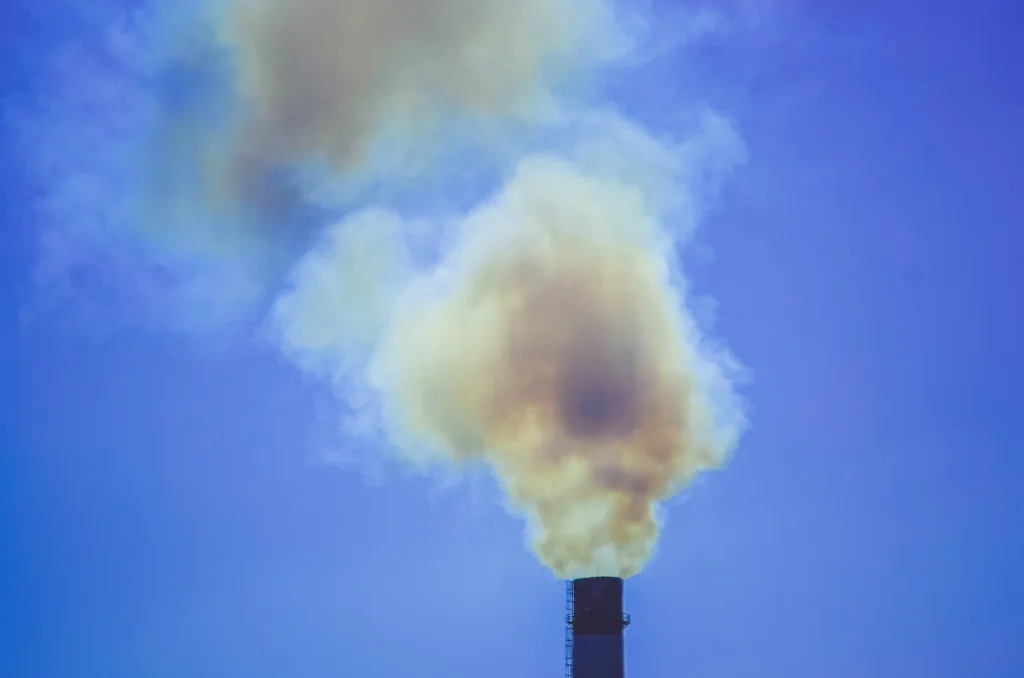
3. For Tail Gas Treatment in Battery Manufacturing
نظرة عامة على الحل
Activated carbon systems (e.g., movable mesh belts) adsorb volatile organic compounds and pollutants from lithium-ion battery production exhaust, improving environmental compliance.

المزايا الرئيسية
- Efficient Adsorption Kinetics: High surface area captures diverse pollutants with minimal downtime for carbon replacement.
- Process Integration: Modular design integrates with existing production lines, reducing operational disruptions.
- Resource Optimization: Extended carbon utilization lowers waste generation.
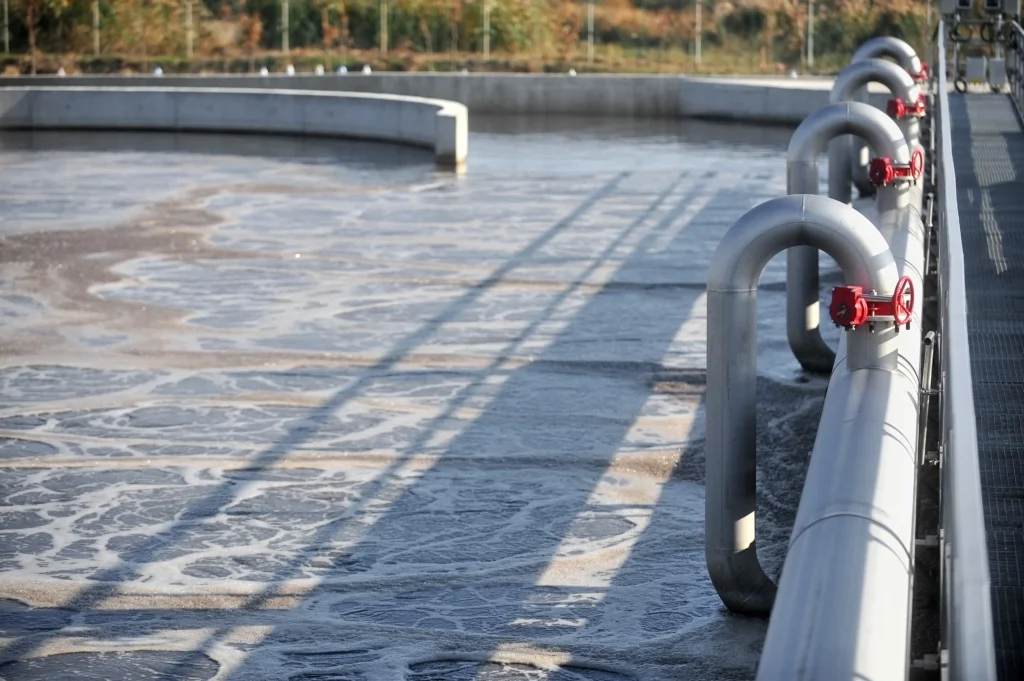
4. In Wastewater Treatment for Battery Industry
نظرة عامة على الحل
Activated carbon from invasive plants (e.g., horsetail grass) treats heavy metals, organics, and phosphates in lithium battery wastewater via tailored pore chemistry and metal-doped activation.

المزايا الرئيسية
- Multipollutant Removal: Functional groups and metal doping (e.g., Fe, Al) enhance adsorption selectivity for complex contaminants.
- Renewable Feedstock: Uses fast-growing biomass, aligning with circular economy principles.
- Scalable Production: Simplified activation processes enable cost-effective industrial deployment.