



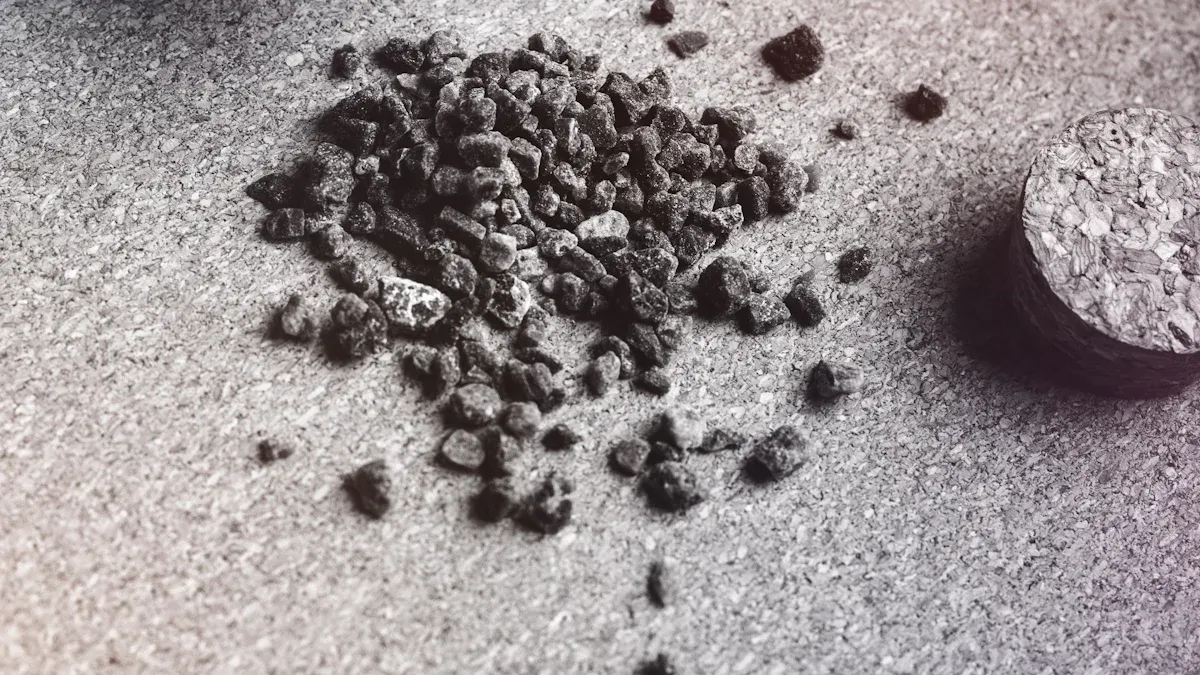
You can achieve better results in الكربون المنشط لمعالجة مياه الصرف الصحي processes by selecting the right activated carbon for the specific contaminants in your wastewater. Recent studies indicate that using the most suitable wastewater treatment activated carbon for each contaminant significantly improves treatment efficiency. This is due to the carbon’s pore size, surface area, and composition, which all play a role in removing certain pollutants. When choosing activated carbon for wastewater treatment activated carbon applications, you should carefully consider these factors. Follow a step-by-step approach to identify the best wastewater treatment activated carbon for your needs.
الوجبات الرئيسية
Pick the right activated carbon for your wastewater. You need to know what contaminants are in your water. Activated carbon traps bad substances by adsorption. This process works well for many pollutants. Granular Activated Carbon is good for big systems. Powdered Activated Carbon is better for fast treatments. It also helps with certain contaminants. Test your water to find out what is in it. Check how much of each contaminant is there. This helps you choose the best activated carbon. Make clear goals for your treatment. Base these goals on what you find in your water. Think about where the activated carbon comes from. The way it is made also matters. These things change how well it removes pollutants. Find activated carbon with the right pore size. The pore size should match the contaminants you want to remove. This gives you the best results. Always look for certifications and quality standards. This makes sure the activated carbon is safe and works well for your needs.
Wastewater Treatment Activated Carbon Essentials
Why Activated Carbon Is Used
Activated carbon helps clean water by trapping things you do not want. It is used in الكربون المنشط لمعالجة مياه الصرف الصحي systems because it uses adsorption.
آلية الامتصاص
Adsorption means molecules stick to the carbon’s surface. The carbon has tiny pores that hold chemicals, colors, and smells. Many pollutants can be removed this way. Activated carbon has a large surface area. This gives more places for contaminants to attach. That is why wastewater treatment activated carbon works so well.
Types of Contaminants Removed
Wastewater treatment activated carbon removes many contaminants. These include organic chemicals, pesticides, chlorine, and some heavy metals. Activated carbon also removes bad tastes and odors. Treating industrial wastewater lowers toxicity and meets safety rules. In municipal water, taste improves and water becomes safer to reuse. For groundwater, drinking water sources are protected from hazardous chemicals.
نصيحة: Activated carbon works best if the pore size matches the contaminant you want to remove.
نوع التطبيق | المزايا |
|---|---|
معالجة مياه الصرف الصناعي | |
Municipal Wastewater Treatment | Removes leftover chemicals, improves taste and odor, makes water safer for reuse. |
Groundwater and Leachate Treatment | Captures hazardous chemicals, helps clean up, protects drinking water sources. |
Forms of Activated Carbon: GAC vs. PAC
There are two main forms of wastewater treatment activated carbon. These are granular activated carbon (GAC) and powdered activated carbon (PAC). Each form has different uses and benefits.
الكربون المنشط الحبيبي (GAC)
GAC comes in small, uneven pieces. GAC is used in large filters for water treatment. It works well in systems with continuous flow. GAC is found in post-filtration and granular medium filters. It is used for deodorization, air treatment, and water treatment. The bigger size makes it easy to handle and change.
الكربون النشط المسحوق (PAC)
PAC is a fine powder with tiny particles. PAC is added straight to water in units like raw water intakes, gravity filters, and clarifiers. PAC helps control taste and odor and removes organic substances. PAC is used for quick treatment or when you need to target certain contaminants.
نوع الكربون النشط | الوصف | التطبيقات النموذجية |
|---|---|---|
الكربون النشط المسحوق (PAC) | Fine powder with particles smaller than 0.18 mm | Used to control taste and odor, remove organic substances |
الكربون المنشط الحبيبي (GAC) | Uneven shape with diameter 0.2 to 1.5 mm | Used in post-filtration and granular medium filters |
Granular activated carbon is best for large wastewater treatment activated carbon systems.
Powdered activated carbon is good for smaller or short-term uses.
Pick the right type of activated carbon for your treatment goals and the contaminants you want to remove. This helps you get the best results from your wastewater treatment activated carbon process.
Identify and Test Wastewater Contaminants
Water Analysis Steps
First, you need to know what is in your water. Testing shows which impurities are there and how much of each is present. This step helps you pick the right الكربون المنشط for your system.
Testing for Contaminant Types
There are different tests to find out what is in your water. Some tests look for organic chemicals. Others check for metals or color. You might use test strips, lab tests, or digital sensors. Each method tells you about the impurities that change water quality.
Test Type | What It Detects | ما أهمية ذلك |
|---|---|---|
Chemical Analysis | Organic compounds | Finds harmful chemicals |
Metal Screening | المعادن الثقيلة | Protects health and environment |
Color and Odor Test | Dyes, smells | Improves taste and appearance |
ملاحظة: Good testing helps you find the right contaminants and make water better.
Measuring Concentrations
After you know what is in the water, you need to measure how much of each impurity is there. The amount tells you how big the problem is. You can use lab tools or field kits for this. High amounts may need stronger treatment or more الكربون المنشط. Low amounts might only need simple filters.
Write down your results in a table or chart. This helps you compare before and after treatment. Tracking amounts shows how well your system works over time.
Setting Treatment Goals
When you know what is in your water, you should set clear goals. These goals help you choose which الكربون المنشط to use and how much you need. Most wastewater treatment plants try to do these things:
Lower Chemical Oxygen Demand (COD) and Total Organic Carbon (TOC)
Remove odors and color
Reduce heavy metals
Match your goals to the impurities you found. For example, if you want to lower COD, pick الكربون المنشط that removes organic compounds. If you want to get rid of odors, choose carbon with the right pore size for those smells.
Goals also help you see if your plan works. You can check if water gets better after treatment. If you do not reach your goals, you can change your process or try another type of الكربون المنشط.
نصيحة: Clear goals help you pick the best way to keep your water safe.
Activated Carbon Selection Criteria
Source Material and Activation
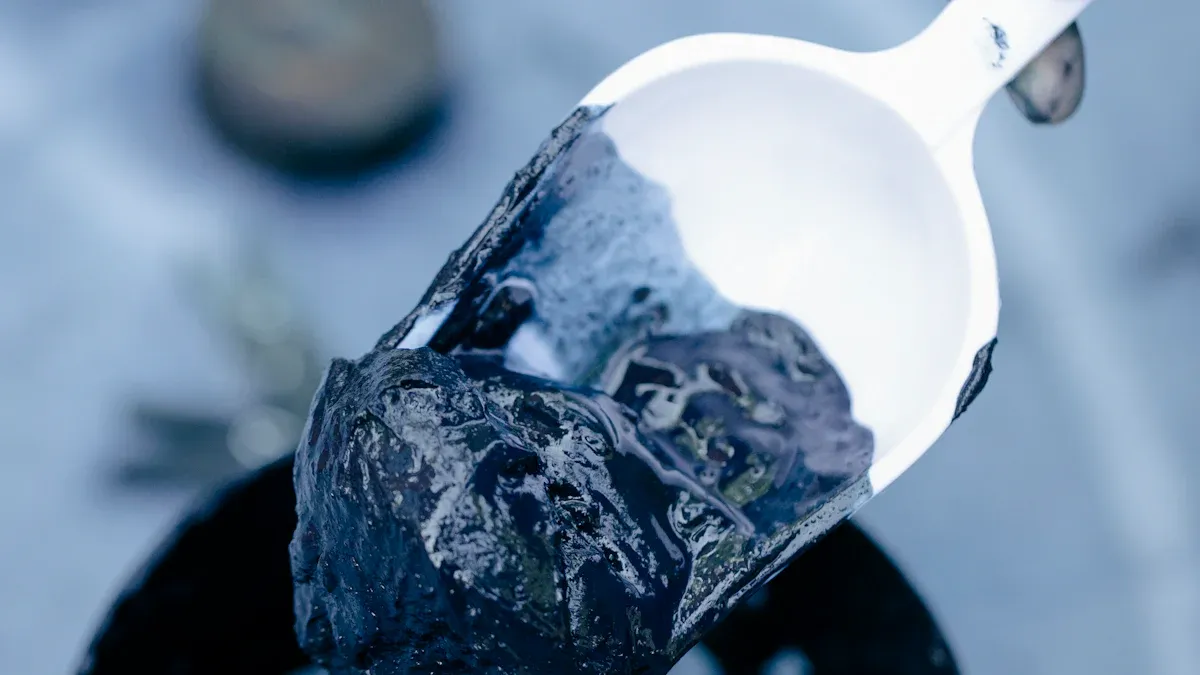
When you pick activated carbon for wastewater treatment, look at what it is made from. The source can be coal, wood, or coconut shells. Each one gives the carbon special features. These features change how well the carbon can trap contaminants. Coconut shell carbon has a high surface area. It is good at adsorbing small organic molecules. Coal-based carbon works better for bigger compounds. Wood-based carbon has many pore sizes. This helps it catch many types of contaminants.
Next, the activation step is important. Activation makes pores and increases surface area. There are two ways to do this. Chemical activation uses things like phosphoric acid. This opens up the carbon structure. Physical activation uses steam or carbon dioxide with heat. The way you activate the carbon changes how much it can adsorb. It also affects the quality of the final product.
The best source material and activation method give you activated carbon that adsorbs your wastewater contaminants well.
المعلمة | القيمة |
|---|---|
Optimal Iodine Number (IN) | 1624.7 mg·g⁻¹ |
Experimental Iodine Number | 1640.1 ± 15.5 mg·g⁻¹ |
درجة حرارة التنشيط | 426 °C |
Activation Time | 92 min |
Hydrochar-to-H₃PO₄ Ratio | 1:1.6 |
33 ± 1.1 mg·g⁻¹ | |
Cr(VI) Removal Efficiency | 99.4 ± 0.1 % |
Initial Concentration | 25 mg·L⁻¹ |
Adsorbent Dose | 2 g·L⁻¹ |
Non-activated Carbon Iodine Number | 1411 ± 70 mg·g⁻¹ |
Pore Size Distribution
Activated carbon traps contaminants in its pores. The size of these pores is very important. You need to match the pore size to the contaminant size. Small pores help remove pathogens. But small pores can slow down water flow. You must balance how well it removes things and how fast water moves. The whole pore size range matters, not just the smallest ones.
Tip: Both pore size and evenness are important for removing pathogens. Pick activated carbon with the right pore size for your contaminants.
Microporous vs. Mesoporous Carbon
Activated carbon has two main pore types: micropores and mesopores.
Microporous carbon has very tiny pores, less than 2 nanometers wide. These are best for catching small molecules like organic micropollutants. The best pore size is about 1.5 times bigger than the contaminant. This stops pores from getting blocked and helps adsorption.
Mesoporous carbon has bigger pores, from 2 to 50 nanometers wide. These are good for larger molecules and keep water flowing well. Mesoporous carbon also helps stop clogging and makes filters work better.
نوع المسام | Pore Size (nm) | Best For |
|---|---|---|
Microporous | < 2 | Small organic micropollutants |
Mesoporous | 2 – 50 | Larger molecules, faster flow |
Surface Area and Adsorption Capacity
The surface area of activated carbon is very important. A bigger surface area means more places for contaminants to stick. This lets you remove more pollutants from water. Studies show that higher surface area gives better adsorption for chemicals like methylene blue and aromatic compounds.
الدراسة | النتائج |
|---|---|
The Use of High Surface Area Mesoporous-Activated Carbon from Longan Seed Biomass | More surface area means more methylene blue can be adsorbed. |
Correlations and prediction of adsorption capacity and affinity of aromatic compounds on activated carbons | Higher total surface area means more adsorption sites. |
The Use of High Surface Area Mesoporous-Activated Carbon from Longan Seed Biomass |
For municipal wastewater treatment, surface area is usually between 500 and 1000 m²/g. Check the surface area when you choose a product. More surface area means better adsorption and cleaner water.
Typical surface area values:
600°C preparation: 249.3 m²/g
900°C preparation: 801.5 m²/g
Remember: More surface area means better adsorption and cleaner water.
You can make your wastewater treatment better by picking activated carbon with the right source, activation, pore size, and surface area. These things work together to give you the best adsorption and water quality.
Physical and Chemical Properties
When you pick activated carbon for wastewater treatment, look at its physical and chemical properties. These properties show how well the carbon will work in your system. The most important things to check are pore structure, surface functional groups, and surface charges. The pore structure, especially mesopores and macropores, is important for adsorption. Mesopores and macropores let bigger molecules get inside and stick to the carbon. Surface functional groups and surface charges also change how contaminants react with the carbon. If the carbon has the right surface chemistry, it can take out more organic dyes and other pollutants from water.
قيمة اليود
The iodine value tells you how much iodine the activated carbon can hold. This number shows how many micropores are in the carbon. A higher iodine value means there are more micropores and the carbon can catch more small molecules. You should look at the iodine value when you compare different products. If you want to remove small organic contaminants, choose activated carbon with a high iodine value. Most wastewater treatment systems use carbon with an iodine value between 800 and 1100 mg/g.
Tip: A high iodine value means the carbon removes more small organic pollutants.
محتوى الرماد
Ash content is the amount of inorganic material left after burning the carbon. You want low ash content because ash does not help with adsorption. High ash content can block the pores and make the carbon work less well. It can also put unwanted minerals in your water. Always check the ash content before you buy activated carbon. Good products have ash content below 10%.
الممتلكات | What It Means | ما أهمية ذلك |
|---|---|---|
قيمة اليود | Amount of micropores | Higher value = better adsorption |
محتوى الرماد | Amount of inorganic residue | Lower value = cleaner water |
Certifications and Standards
You need to make sure your activated carbon meets industry standards. Certifications show the product is safe and works well for wastewater treatment. Standards also help you compare products from different suppliers. Some important certifications and standards are:
قياسي | الوصف |
|---|---|
WQA/ASPE/ANSI S-802 | Covers raw activated carbon media products. |
WQA/ASPE/ANSI S-803 | For drinking water treatment systems using activated carbon. |
NSF/AWWA/ANSI 375-2020 | Checks sustainability for products that touch drinking water, wastewater, and recreational water. |
NSF/AWWA/ANSI 416 | Gives rules for sustainability of water treatment chemical products. |
You should always ask your supplier for certified test reports. These reports prove the activated carbon meets safety and quality rules. Certified products help you follow the law and keep your water treatment system working well.
Certified test reports show the product is safe and good quality.
Certifications help you trust the supplier and the product.
Meeting standards keeps your system following local and international rules.
Note: Choosing certified activated carbon protects your system and helps you follow the law.
Choose the Right Activated Carbon for Filtration
Matching Carbon Type to Application
تحتاج إلى اختيار activated carbon for filtration for your needs. Every job is different. You should check what is in your water and what you want to clean. Activated carbon for filtration comes in many shapes and sizes. Each one works best for certain jobs.
Industrial vs. Municipal Wastewater
Industrial wastewater has special chemicals like VOCs, phenols, and other organics. You need activated carbon for filtration that can catch these chemicals. Factories use activated carbon for filtration because it grabs these things by adsorption. You should pick carbon with a big surface area and even granule size. This helps water flow well and lets the carbon work better.
Municipal wastewater has many different contaminants. The mix can change a lot. You need activated carbon for filtration that can handle lots of different things. City systems try to remove chlorine, taste, odor, and color. You should pick the right activated carbon for these jobs. The carbon must still work when the water changes.
Tip: Always check what is in your water before you pick activated carbon for filtration.
المعايير | الوصف |
|---|---|
Granule Size & Uniformity | Same size particles help water flow and lower pressure. |
محتوى الرماد | Low ash (<5%) helps carbon work and keeps filters clean. |
Surface Area (Porosity) | Bigger surface area means better cleaning, best is 900–1200 m²/g. |
قيمة اليود | Shows how well carbon adsorbs, best is 1000 mg/g or more. |
الكثافة السائبة | Changes how you build filters, best for coconut shell GAC is 0.45–0.55 g/cc. |
Certifications | Make sure it meets AWWA or ISO rules. |
Specialized Contaminants
Some water has special things like dyes, pesticides, or heavy metals. You need activated carbon for filtration with the right pore size and surface chemistry. If you want to get rid of dyes, use mesoporous carbon. If you want to remove small organics, use microporous carbon.
Activated carbon for filtration also helps in other ways: it cleans drinking water by removing chlorine, taste, and odor; it helps factories by removing VOCs, phenols, and organics; it makes water safe to reuse by removing color and other things; it makes food and drinks taste better and look clear; and it keeps fish tanks safe by taking out harmful stuff.
Note: Always match the carbon type to what you want to remove. This helps your filter work its best.
System Design Considerations
You need to set up your filter system the right way to get the most from activated carbon for filtration. How you build your system changes how well it cleans water.
Flow Rate Guidelines
Flow rate is very important for filters. If water moves too fast, the activated carbon for filtration cannot catch everything. If water moves too slow, you might not get enough clean water. You need to find the right speed.
How fast water moves affects how well the filter works. Both the thickness and speed of the water layer matter.
Slower water gives activated carbon for filtration more time to grab pollutants. This makes cleaning better.
More activated carbon for filtration and slower water make the filter work best.
Bed depth and flow rate are important for good filtration.
Tip: Change your flow rate so activated carbon for filtration has enough time to clean the water.
Contact Time and Vessel Size
Contact time means how long water touches the activated carbon for filtration. Longer contact times help the carbon clean more. You should build your system to get the right empty bed contact time (EBCT).
How long water and activated carbon for filtration touch is important. More time means better cleaning.
Filters aim for a certain EBCT to make sure they work well.
Big wastewater plants use bigger tanks. Bigger tanks give longer EBCT, which helps activated carbon for filtration work better.
You need to think about water speed and what is in the water when you pick tank size. This changes how well the filter works and how long the carbon lasts.
System Design Factor | Why It Matters for Filtration |
|---|---|
معدل التدفق | Controls how long water touches the carbon |
Bed Depth | More depth means more carbon for filtration |
Vessel Size | Bigger tanks give longer contact time |
EBCT | Makes sure the filter removes contaminants |
Remember: Good design helps activated carbon for filtration clean more and keeps your water safe.
You can pick the right activated carbon for filtration by matching the carbon to your job and building your system for the best flow and contact time. This helps your filter work its best.
How to Choose the Right Activated Carbon Supplier
Picking the right supplier for activated carbon is important. It can help your wastewater treatment work better. You need to think about a few key things before you choose. This section explains how to find the best activated carbon supplier for you.
Supplier Reputation
You should always learn about the supplier’s reputation. A good supplier checks their products carefully. They test activated carbon for how well it works and how pure it is. Good suppliers control what goes into their product. They make sure the quality stays the same every time. If you pick a supplier with a good reputation, you will have fewer problems.
Pick suppliers who check their products often.
Make sure they test for how well it works.
Choose suppliers who keep their quality steady.
Tip: A supplier with a good reputation helps your system run well and stops surprises.
Product Quality and Consistency
You want activated carbon that works the same every time. Ask the supplier for samples so you can test them. Try out the samples to see how well they clean water. You can also ask other labs to check the product for you. Make sure the factory checks their products and follows rules like ASTM and ISO. These steps help you get the right activated carbon for your needs.
الخطوة | What You Should Do |
|---|---|
Test the product before you buy | |
Performance Tests | Check adsorption, size, and purity |
Third-Party Testing | Get outside labs to confirm quality |
Factory QA | Make sure the factory uses strict checks |
Standards | Look for ASTM, ISO, and other certifications |
Note: If the quality is always good, your system will work as planned.
Technical Support
You need more than just the product. Good suppliers give you technical support to help you. They can look at your system and help you make it better. They help you follow the rules and pick the right type of activated carbon. Experts can check your system, look at flow rates, and give advice. They also help fix problems and explain test results. Some suppliers help you remove new contaminants and show you how to use activated carbon with other treatment steps.
Get advice from experts on your system.
Ask for help with following the rules.
Use technical support to fix problems and do better.
Find suppliers who help you use activated carbon with other treatment steps.
Tip: Good technical support helps your system work well and makes it easier to reach your goals.
When you know how to pick the right activated carbon supplier, your wastewater treatment will work better. Always check the supplier’s reputation, product quality, and technical support. Look for certifications to make sure the product is safe and works well.
Best Practices for Activated Carbon Filter Performance
You want your activated carbon filter to work well. Good habits help keep water clean and safe. You should watch how your filter works. Replace it when needed. Handle used carbon safely.
Monitoring and Maintenance
Check your filter often to keep it working. Look at flow rate, pressure drop, and odor removal. These checks help you find problems early. This keeps your water system running smoothly.
Performance Tracking
Watch how your filter removes chlorine and odor. Use simple tests for taste and smell. Measure chemical levels before and after filtering. If odor comes back or chlorine rises, check your filter. High adsorption capacity means your filter catches more pollutants. Write results in a log. This helps you see changes and decide when to do maintenance.
Tip: Tracking often helps your filter work better and keeps drinking water safe.
Replacement Schedules
Change or clean your filter based on water use and contaminants. The right activated carbon lasts longer with a good schedule. Most city water systems change filters every few months or yearly. If you notice bad taste or smell, change the filter sooner.
Change filters every few months or yearly, based on use.
Watch for changes in smell or water quality.
Follow maker rules for your activated carbon.
Disposal and Regeneration
When your filter is old, pick the best way to get rid of or clean the used carbon. Protect the environment and follow the rules.
الطريقة | المزايا | العيوب |
|---|---|---|
التجديد الكيميائي | Changes trapped compounds, uses different agents | May change carbon structure |
التجديد الحراري | Restores high adsorption, used a lot | Can lose some carbon |
Solvent Regeneration | Gets useful stuff back, keeps structure, easy to use | Only works for some uses |
Electrochemical Regeneration | Saves money, loses less carbon than heat methods | Not as strong as heat methods |
You can get useful things from the cleaning liquid. Solvent cleaning does not hurt the carbon’s pores and is easy to use. You lose less activated carbon than other ways. Always check filter quality after cleaning to make sure it still removes chlorine and odor.
Follow the rules when you throw away used carbon. EPA, TCEQ, and local rules say you must dispose and recycle safely. Handle and store used carbon to keep workers safe. Follow RCRA, DOT, and other rules for disposal.
أسبكت | التفاصيل |
|---|---|
الامتثال البيئي | Follow EPA, TCEQ, and local rules for disposal and recycling |
Worker Safety | Handle and store used carbon safely |
Regulatory Framework | Follow RCRA, DOT, and other rules |
Note: Safe disposal and cleaning help the environment and keep your water system working.
You get the best results by following these steps. Your filter works well, water stays safe, and you follow the law. Activated carbon helps by catching pollutants, removing odor, and making water better. You can make smart choices by watching performance, changing filters on time, and handling used carbon the right way.
You can make your wastewater treatment better by doing a few things. First, test your water to see what is in it. Next, pick الكربون المنشط with the right pore size and surface area. Make sure you choose carbon from a good source. Find a supplier you can trust for the same quality every time. Sometimes, you might have problems like adsorbent wearing out or hard-to-remove contaminants. Experts from companies like Stantec and SCS Engineers can help you fix these problems. New ideas, like using bio-waste-derived or iron-activated carbon, can help your system work better.
Advancement | المزايا |
|---|---|
Bio-waste-derived activated carbon | Makes the process greener and more efficient |
Iron-activated carbon systems | Helps clean water in reservoirs |
Magnetic activated carbon | Takes out certain pollutants very well |
Start now to make your wastewater treatment work better and keep water clean.