Bio Odor Control charbon actif
.webp)
Buy Bio Odor Control Activated Carbon
Les défis de l'industrie
Adsorption Limits
- Works poorly in high humidity or heat.
- Struggles with certain odors (e.g., sulfur compounds, ammonia).
- Clogs easily from particles/biofilms.
High Maintenance
- Wears out fast, needing frequent replacement.
- Spent carbon is hazardous waste (hard to dispose).
- Requires extra equipment (filters, dryers) to work well.
Safety Risks
- Can overheat and catch fire in some conditions.
- Biofilms grow on wet carbon, causing new odors.
Design Flaws
- Wrong size/type of carbon used.
- Poorly built systems leak odors.
Sustainability Issues
- Throwing away used carbon wastes resources.
- Works best in hybrid systems (hard to manage).
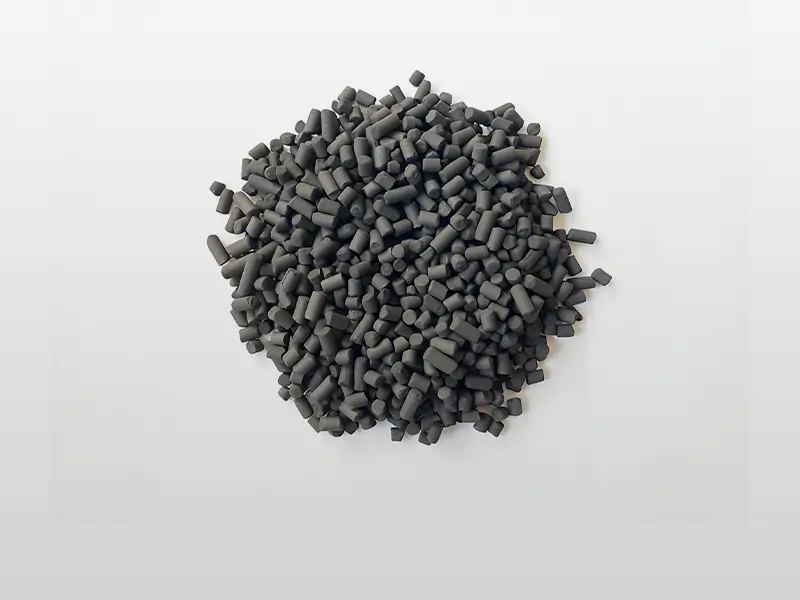
types de charbon actif apparentés
- Valeur en iode : 600-1200
- Taille des mailles : 1×4/4×8/8×16/8×30/12×40/20×40/20×50/30×60/40×70 (autres tailles sur demande)
- Densité apparente : 400-700
- Valeur de l'iode : 500-1300
- Taille des mailles : 0,9-1mm/1,5-2mm/3-4mm/6mm/8mm(autres tailles sur demande)
- Densité apparente : 450-600
- Valeur de l'iode : 500-1300
- Maillage : 150/200/300/350 (autres dimensions sur demande)
- Densité apparente : 450 - 550
- Valeur en iode : 400-800
- Taille des mailles : 100×100×100mm/100×100×50mm (densité cellulaire personnalisée sur demande)
- Densité apparente : 350-450
- Diamètre de l'alésage:1.5-8mm

- Indice d'iode : 700-1200 mg/g
- Surface : 700-1200 m²/g
- Densité apparente : 320-550 kg/m³

- Indice d'iode : 700-1200 mg/g
- Surface : 700-1200 m²/g
- Densité apparente : 320-550 kg/m³

- Indice d'iode : 700-1200 mg/g
- Surface : 700-1200 m²/g
- Densité apparente : 300-650 kg/m³

- Indice d'iode : 700-1200 mg/g
- Surface : 700-1200 m²/g
- Densité apparente : 320-550 kg/m³

- Méthode d'activation : Activation par vapeur/gaz à haute température
- Structure des pores : Dominée par les micropores, distribution uniforme des pores
- Profil environnemental : Sans produits chimiques, faible teneur en cendres
- Applications principales : Adsorption en phase gazeuse, purification de l'eau potable

- Méthode d'activation : Activation chimique (par exemple, H₃PO₄/ZnCl₂) à des températures modérées.
- Structure des pores : Riche en mésopores, surface plus élevée
- Efficacité du processus : Temps d'activation plus court, rendement plus élevé 30-50%
- Post-traitement : Lavage à l'acide nécessaire pour éliminer les résidus

- Fonctionnalisation : Chargé d'agents actifs (par exemple, I₂/Ag/KOH)
- Adsorption ciblée : Amélioration de la capture de polluants spécifiques (par exemple, Hg⁰/H₂S/gaz acides).
- Personnalisation : Optimisation chimique pour les contaminants ciblés
- Applications principales : Traitement des gaz industriels, protection CBRN
Pourquoi vous avez besoin de notre charbon actif

Superior Adsorption Performance:
(1) Engineered pore structures (micro/meso/macro) target specific contaminants like polar VOCs, sulfur compounds, and low-molecular-weight odorous molecules.
(2) Consistent adsorption efficiency across varying humidity levels and temperatures.

Enhanced Safety and Stability:
(1) Proprietary acid-washed treatment minimizes spontaneous combustion risks in high-heat environments.
(2) Low-dust formulations ensure safe handling and reduce respiratory hazards during installation.

Extended Service Life:
(1) Optimized reactivation cycles via steam or thermal regeneration maintain >90% adsorption capacity after repeated use.
(2) Resists microbial colonization and pore clogging in bio-rich environments.

Customizable Solutions:
(1) Tunable surface chemistry (e.g., impregnation with catalysts) for specialized applications like medical odor control or industrial gas purification.
(2) Modular designs integrate seamlessly with existing biofilters, scrubbers, or HVAC systems.

Sustainability Alignment:
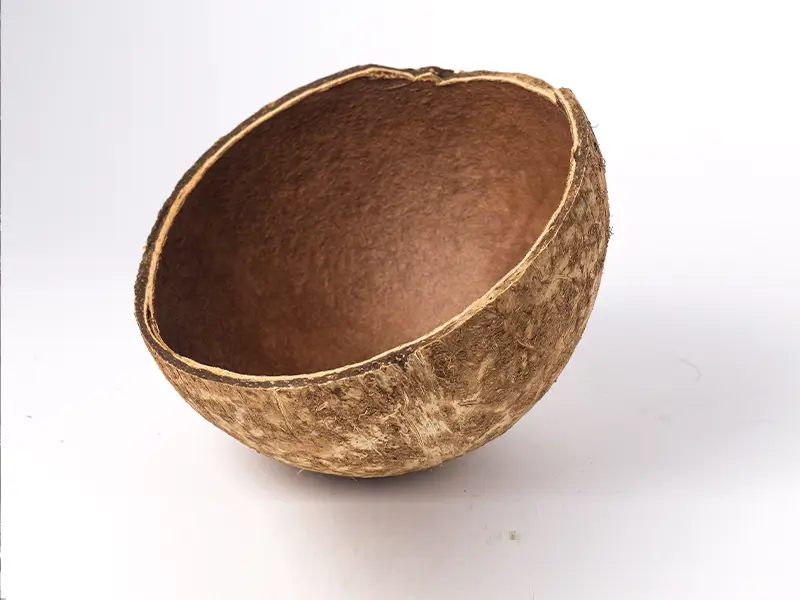
(1) Sourced from renewable precursors (e.g., coconut shells, bamboo) with closed-loop regeneration protocols.
(2) Complies with international environmental standards for end-of-life disposal and circular economy practices.
Processus et technologie
1. Residential/Household Applications
Aperçu de la solution
(1) Integrated into air purifiers and HVAC filters using granular or pelletized carbon.
(2) Used in kitchen hoods, refrigerators, and pet areas to adsorb cooking smells, pet odors, and VOCs.

Principaux avantages
- Immediate Odor Neutralization: Captures volatile compounds (e.g., formaldehyde from furniture) within minutes.
- Silent Operation: No moving parts required for adsorption.
- Safe for Indoor Use: Non-toxic and chemical-free, ideal for allergy-sensitive environments.
2. Commercial/Public Spaces
Aperçu de la solution
(1) Ceiling-mounted carbon panels in offices, hotels, and hospitals.
(2) Custom scrubbers for restrooms, locker rooms, or smoking areas.

Principaux avantages
- High-Capacity Adsorption: Handles dense human occupancy odors (e.g., sweat, perfumes).
- Low Maintenance: Long-lasting cartridges (months between replacements).
- Discreet Integration: Slim designs blend with interiors without noise disruption.
3. Waste Recycling & Processing Facilities
Aperçu de la solution
(1) Multi-stage carbon towers paired with biofilters for landfill gas/composting plants.
(2) Mobile carbon units for garbage transfer stations or sewage treatment vents.

Principaux avantages
- Targeted Hydrophobic Capture: Adsorbs stubborn sulfides, amines, and indoles resistant to biofilters.
- Fire-Resistant Designs: Specialty carbons (e.g., acid-washed) prevent combustion in methane-rich zones.
- Scalable Deployment: Modular systems adapt to fluctuating waste volumes.