Carbone activé pour piles au lithium

Buy Lithium Battery Activated Carbon

Activated carbon is an extremely porous carbon with a massive internal surface area. Its most significant role is as the positive electrode material in Lithium-Ion Capacitors (LICs). In LICs activated carbon stores energy electrostatically by rapidly adsorbing and releasing ions at the carbon surface (electric double-layer capacitance), allowing for rapid power delivery and extremely long cycle life.
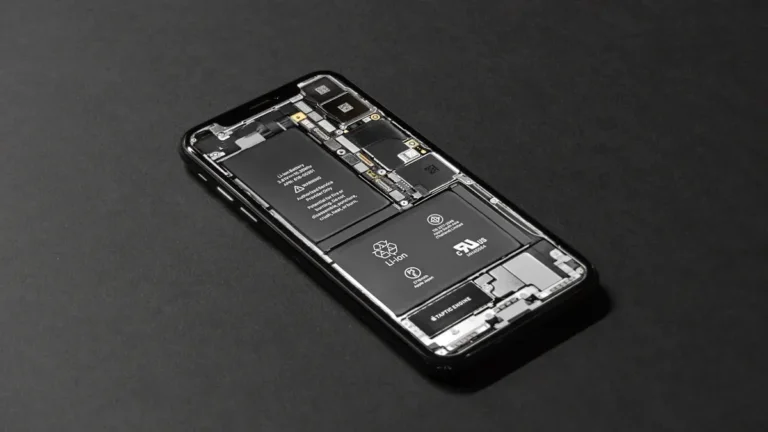
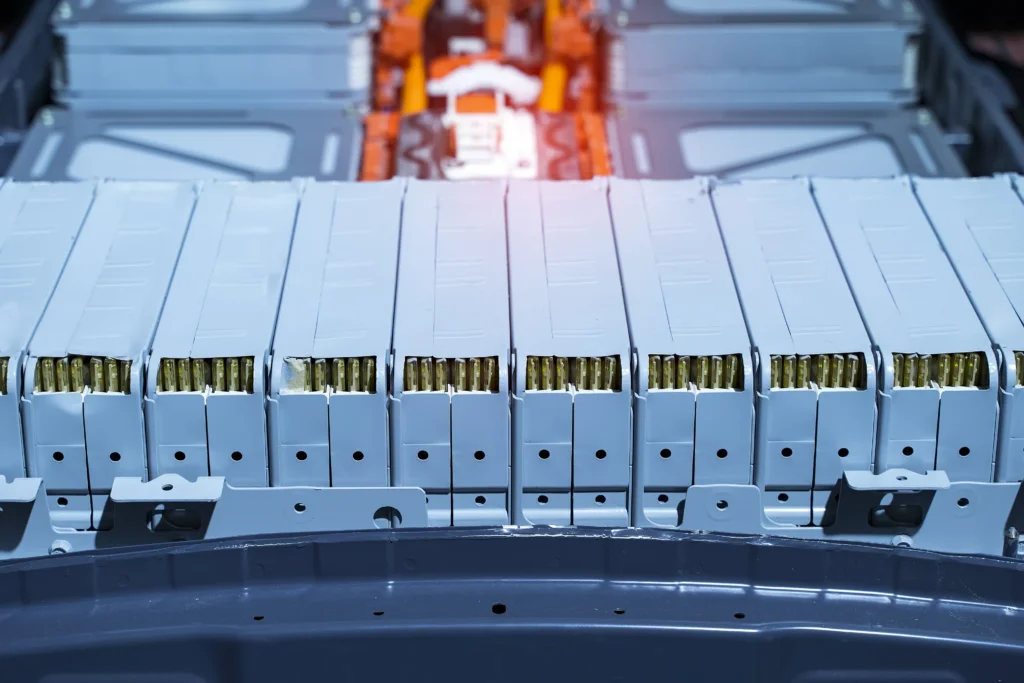
In standard Lithium-Ion Batteries (LIBs), it acts as an auxiliary material. Brought into small fractions at electrodes, activated carbon helps in conductivity enhancement and in part creates a conductive network within the electrode structure. It may also serve to absorb excess electrolyte.
The major properties that make it favorable are the totally porous and porous structures (providing the surface area), good electrical conduction, and stability in organic battery electrolytes.

Les défis de l'industrie

Le carbone activé (CA) présente plusieurs défis distincts lorsqu'il est utilisé dans les supercondensateurs :

Material Performance & Design

Sustainability & Compliance

Manufacturing & Integration

Industry Coordination

types de charbon actif apparentés

颗粒活性炭(granular activated carbon)
  • Valeur en iode : 600-1200
  • Taille des mailles : 1×4/4×8/8×16/8×30/12×40/20×40/20×50/30×60/40×70 (autres tailles sur demande)
  • Densité apparente : 400-700
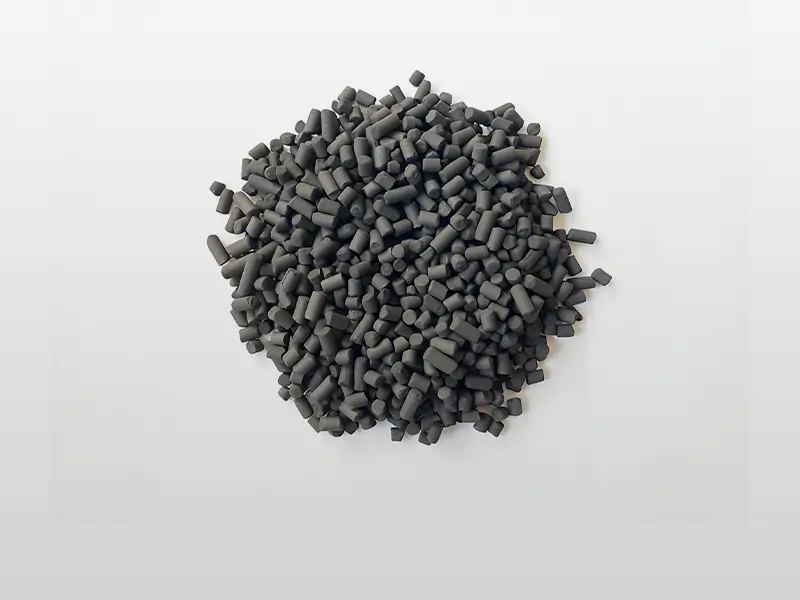
Charbon actif à piliers
  • Valeur de l'iode : 500-1300
  • Taille des mailles : 0,9-1mm/1,5-2mm/3-4mm/6mm/8mm(autres tailles sur demande)
  • Densité apparente : 450-600
粉末活性炭(Poudre de charbon actif)
  • Valeur de l'iode : 500-1300
  • Maillage : 150/200/300/350 (autres dimensions sur demande)
  • Densité apparente : 450 - 550
蜂窝活性炭(Charbon actif en nid d'abeille)
  • Valeur en iode : 400-800
  • Taille des mailles : 100×100×100mm/100×100×50mm (densité cellulaire personnalisée sur demande)
  • Densité apparente : 350-450
  • Diamètre de l'alésage:1.5-8mm
  • Indice d'iode : 700-1200 mg/g
  • Surface : 700-1200 m²/g
  • Densité apparente : 320-550 kg/m³
  • Indice d'iode : 700-1200 mg/g
  • Surface : 700-1200 m²/g
  • Densité apparente : 320-550 kg/m³
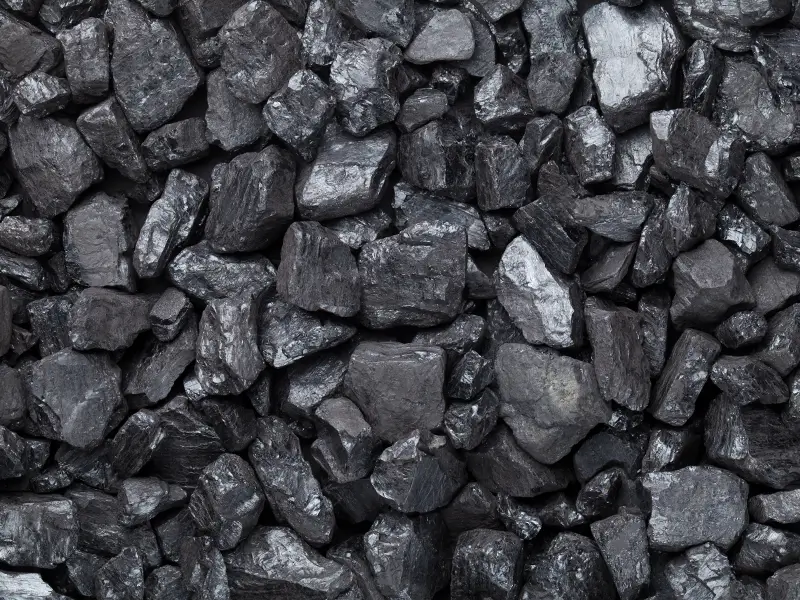
Charbon actif à base de charbon
  • Indice d'iode : 700-1200 mg/g
  • Surface : 700-1200 m²/g
  • Densité apparente : 300-650 kg/m³
  • Indice d'iode : 700-1200 mg/g
  • Surface : 700-1200 m²/g
  • Densité apparente : 320-550 kg/m³
  • Méthode d'activation : Activation par vapeur/gaz à haute température
  • Structure des pores : Dominée par les micropores, distribution uniforme des pores
  • Profil environnemental : Sans produits chimiques, faible teneur en cendres
  • Applications principales : Adsorption en phase gazeuse, purification de l'eau potable
  • Méthode d'activation : Activation chimique (par exemple, H₃PO₄/ZnCl₂) à des températures modérées.
  • Structure des pores : Riche en mésopores, surface plus élevée
  • Efficacité du processus : Temps d'activation plus court, rendement plus élevé 30-50%
  • Post-traitement : Lavage à l'acide nécessaire pour éliminer les résidus
  • Fonctionnalisation : Chargé d'agents actifs (par exemple, I₂/Ag/KOH)
  • Adsorption ciblée : Amélioration de la capture de polluants spécifiques (par exemple, Hg⁰/H₂S/gaz acides).
  • Personnalisation : Optimisation chimique pour les contaminants ciblés
  • Applications principales : Traitement des gaz industriels, protection CBRN

Pourquoi utiliser notre charbon actif

Tailored Pore Architecture:

(1) Precision-engineered micro/mesopore distribution for optimal ion diffusion kinetics.
(2) Hierarchical structure designed specifically for lithium-ion transport requirements.
(3) Consistent pore geometry ensuring predictable electrochemical performance.

Durabilité et régénérabilité accrues :

(1) conductivity across extreme temperature ranges.
(2) Robust structural integrity preventing degradation during rapid charge/discharge cycles.
(3) Chemically inert composition minimizing parasitic reactions with electrolytes.

recycler

Sustainable Material Provenance:

(1) Certified renewable feedstocks with full traceability from source to production.
(2) Waste-to-value manufacturing aligned with circular economy principles.
(3) Low environmental footprint processes meeting global compliance standards.

Technical Integration Support:

(1) Pre-optimized surface functionality for seamless electrode integration.
(2) Customizable particle morphology matching specific manufacturing requirements.
(3) Dedicated application engineering for battery system compatibility validation.

productivity(1)

Supply Chain Assurance:

(1) Vertically integrated production ensuring consistent quality control.
(2) Scalable manufacturing capacity with guaranteed material traceability.
(3) Global logistics network enabling reliable just-in-time delivery.
Processus et technologie

1.As Anode Material in Lithium-Ion Batteries

Aperçu de la solution

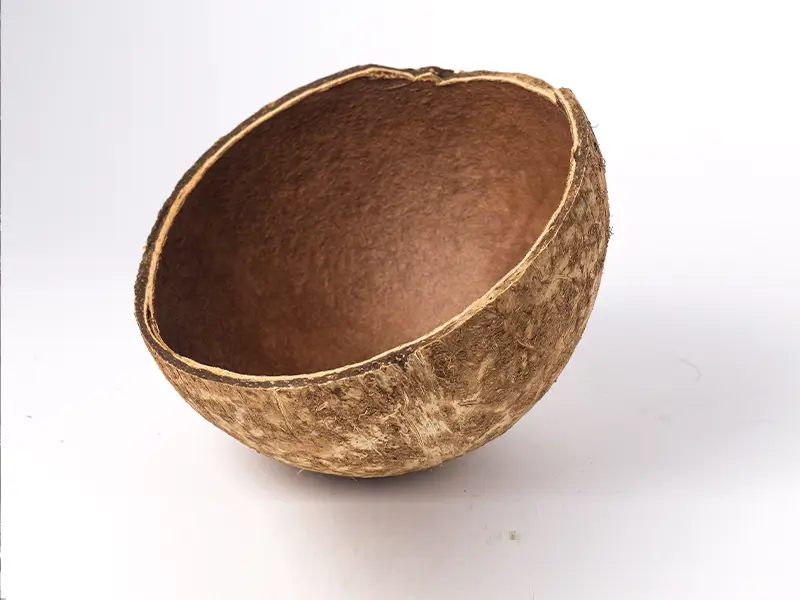
Microporous activated carbon (e.g., coconut shell-derived) serves as a sulfur host in cathodes. Its high surface area and tunable pore structure immobilize sulfur and trap polysulfides, mitigating the "shuttle effect".

Principaux avantages

2. In Lithium-Ion Capacitors

Aperçu de la solution

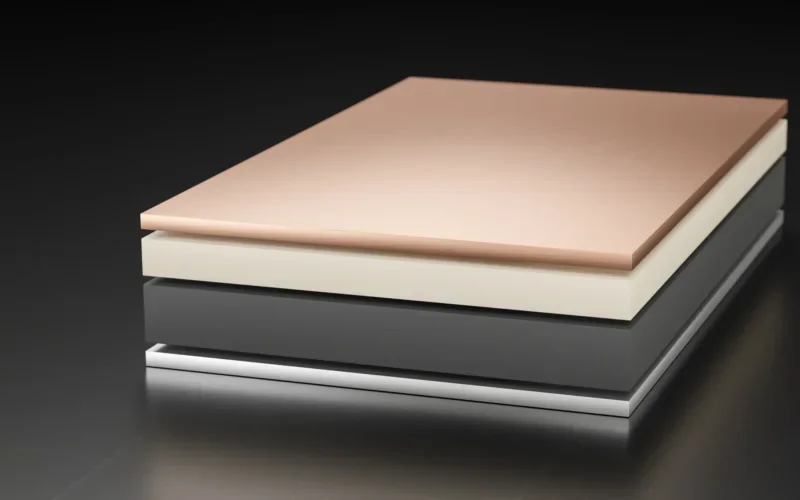
Activated carbon functions as the cathode material paired with battery-type anodes (e.g., Li₄Ti₅O₁₂), combining high power density (capacitor-like) with high energy density (battery-like) through electric double-layer capacitance.

Principaux avantages

3. For Tail Gas Treatment in Battery Manufacturing

Aperçu de la solution

Activated carbon systems (e.g., movable mesh belts) adsorb volatile organic compounds and pollutants from lithium-ion battery production exhaust, improving environmental compliance.

Principaux avantages

4. In Wastewater Treatment for Battery Industry

Aperçu de la solution

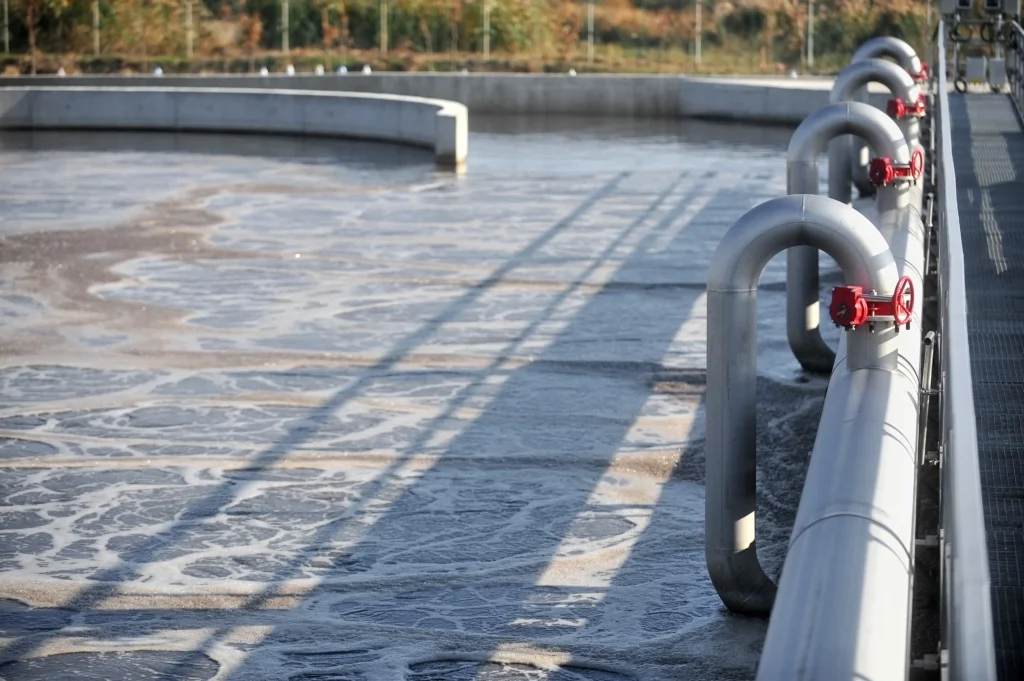
Activated carbon from invasive plants (e.g., horsetail grass) treats heavy metals, organics, and phosphates in lithium battery wastewater via tailored pore chemistry and metal-doped activation.

Principaux avantages

Blog connexe

Le rôle du charbon actif dans les piles au lithium
Lire la suite
Retour en haut

Obtenir une demande de renseignements

Nom