Élimination des métaux Charbon actif

Buy Metal Removal Activated Carbon

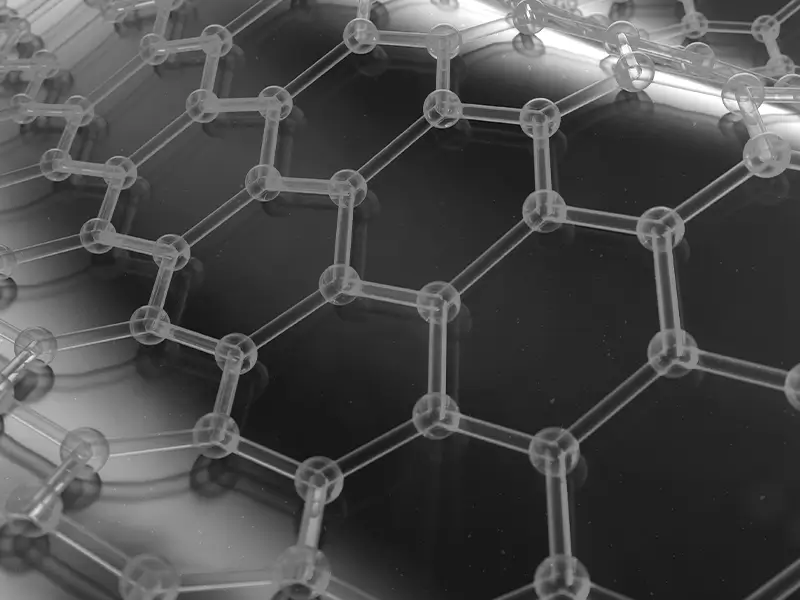
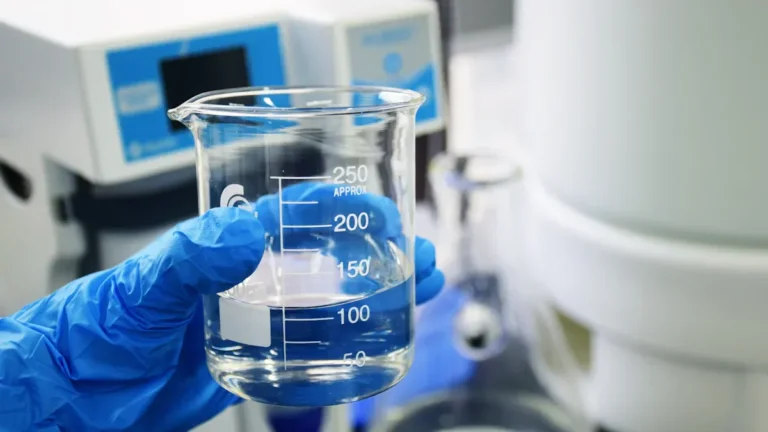
The environmental cleanup of water flows containing dissolved heavy metals (lead, mercury, copper, cadmium and arsenic) is often accomplished using activated carbon. Activated carbon is a remarkable filter medium because of its very porous internal structure with large surface area. This structure provided vast numbers of surface sites where adsorption can occur. The metal ions in solution are attracted to the surface of the carbon by physical adsorption, electrostatic attraction and sometimes chemisorption. Although “plain” activated carbon has some inherent capacity to remove metals, modifying or impregnating solid carbon can greatly enhance metal removal ability.

Les défis de l'industrie

Selectivity Constraints

Competitive Interference

Limites de la régénération

Material Degradation

Hazardous Waste Management

types de charbon actif apparentés

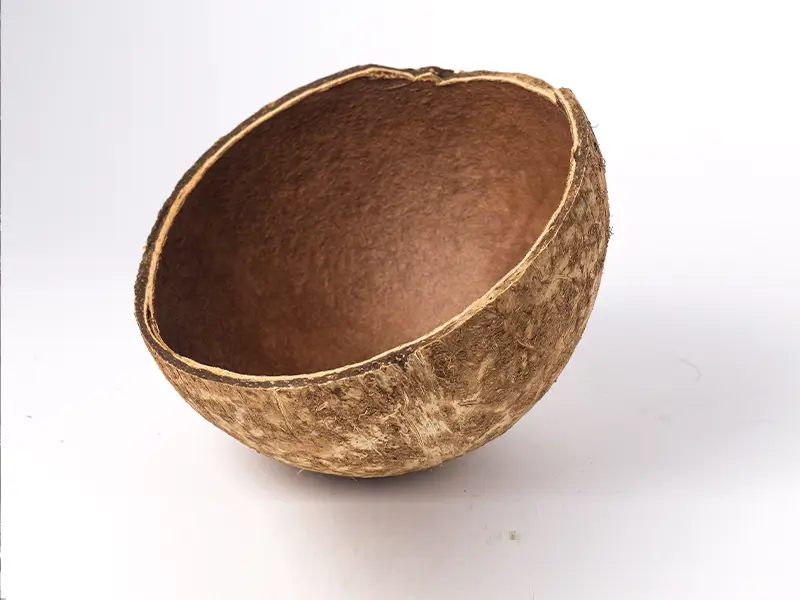
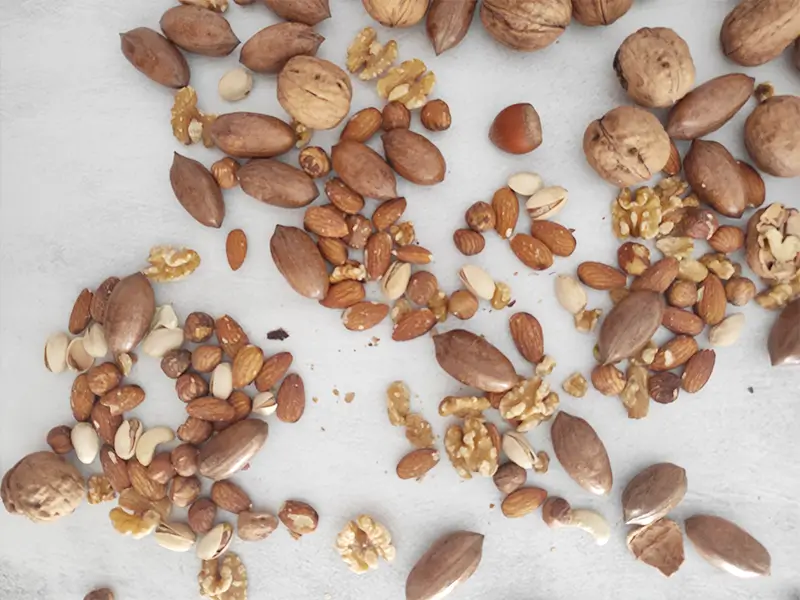
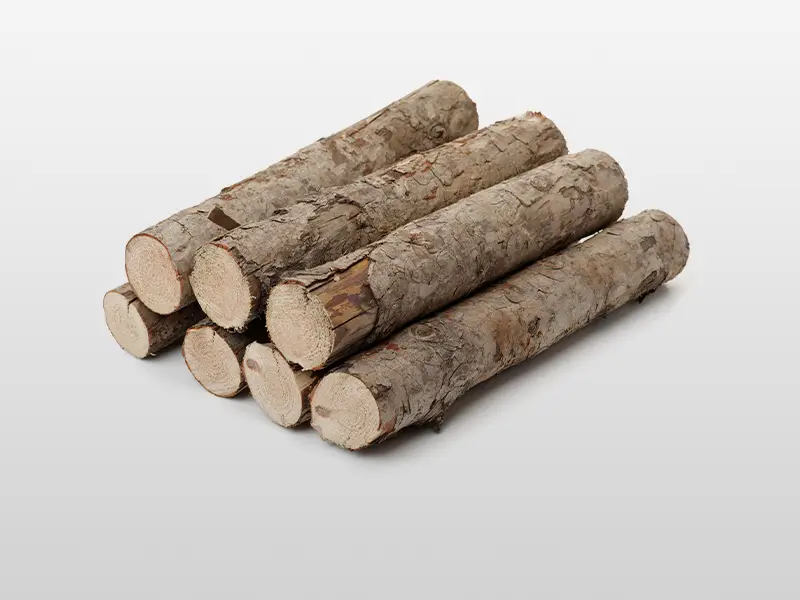
颗粒活性炭(granular activated carbon)
  • Valeur en iode : 600-1200
  • Taille des mailles : 1×4/4×8/8×16/8×30/12×40/20×40/20×50/30×60/40×70 (autres tailles sur demande)
  • Densité apparente : 400-700
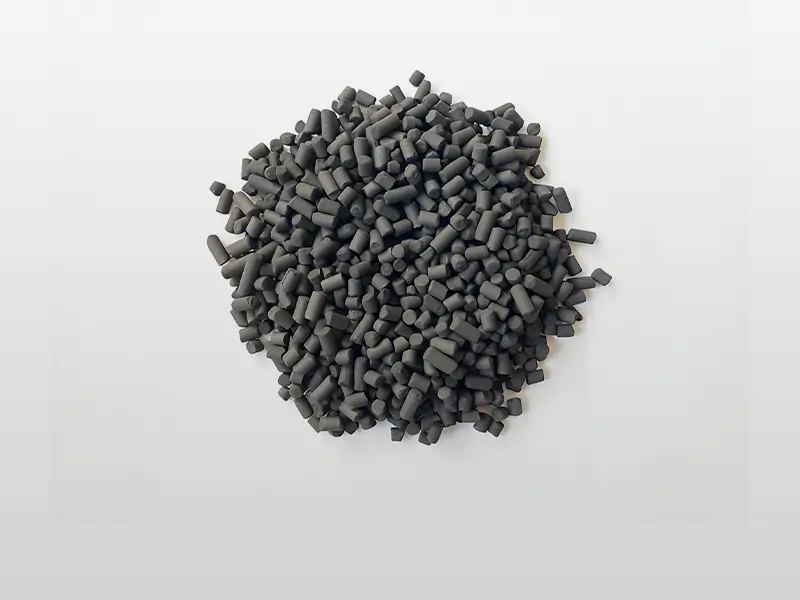
Charbon actif à piliers
  • Valeur de l'iode : 500-1300
  • Taille des mailles : 0,9-1mm/1,5-2mm/3-4mm/6mm/8mm(autres tailles sur demande)
  • Densité apparente : 450-600
粉末活性炭(Poudre de charbon actif)
  • Valeur de l'iode : 500-1300
  • Maillage : 150/200/300/350 (autres dimensions sur demande)
  • Densité apparente : 450 - 550
蜂窝活性炭(Charbon actif en nid d'abeille)
  • Valeur en iode : 400-800
  • Taille des mailles : 100×100×100mm/100×100×50mm (densité cellulaire personnalisée sur demande)
  • Densité apparente : 350-450
  • Diamètre de l'alésage:1.5-8mm
  • Indice d'iode : 700-1200 mg/g
  • Surface : 700-1200 m²/g
  • Densité apparente : 320-550 kg/m³
  • Indice d'iode : 700-1200 mg/g
  • Surface : 700-1200 m²/g
  • Densité apparente : 320-550 kg/m³
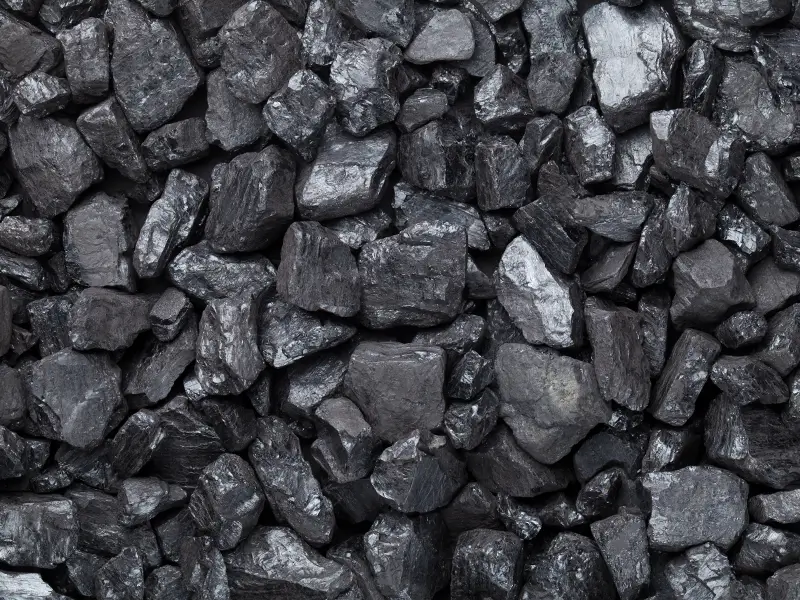
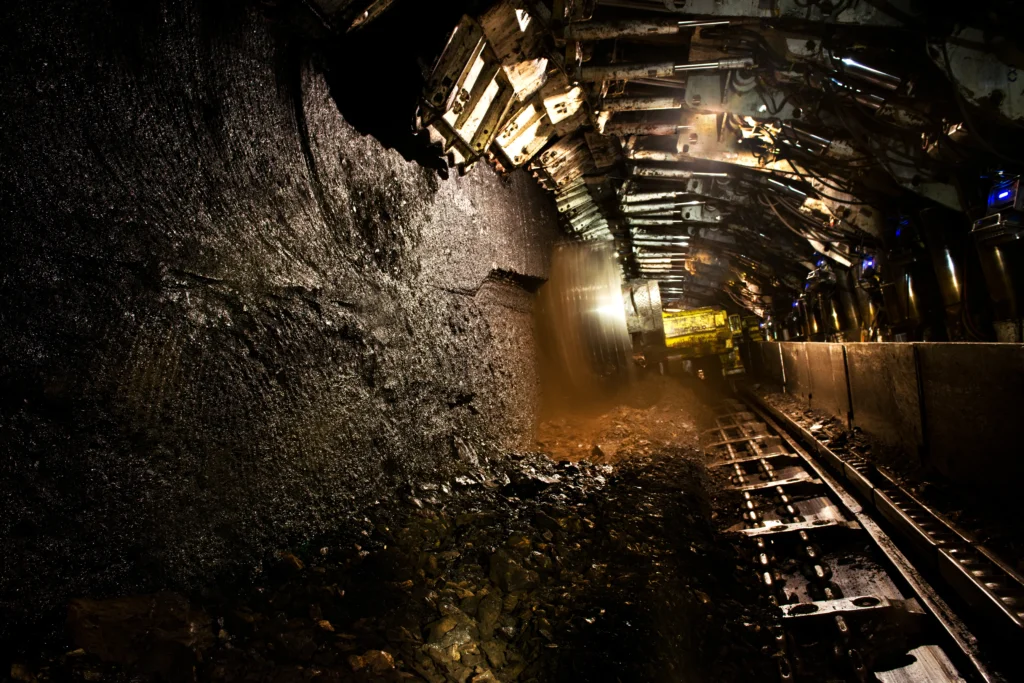
Charbon actif à base de charbon
  • Indice d'iode : 700-1200 mg/g
  • Surface : 700-1200 m²/g
  • Densité apparente : 300-650 kg/m³
  • Indice d'iode : 700-1200 mg/g
  • Surface : 700-1200 m²/g
  • Densité apparente : 320-550 kg/m³
  • Méthode d'activation : Activation par vapeur/gaz à haute température
  • Structure des pores : Dominée par les micropores, distribution uniforme des pores
  • Profil environnemental : Sans produits chimiques, faible teneur en cendres
  • Applications principales : Adsorption en phase gazeuse, purification de l'eau potable
  • Méthode d'activation : Activation chimique (par exemple, H₃PO₄/ZnCl₂) à des températures modérées.
  • Structure des pores : Riche en mésopores, surface plus élevée
  • Efficacité du processus : Temps d'activation plus court, rendement plus élevé 30-50%
  • Post-traitement : Lavage à l'acide nécessaire pour éliminer les résidus
  • Fonctionnalisation : Chargé d'agents actifs (par exemple, I₂/Ag/KOH)
  • Adsorption ciblée : Amélioration de la capture de polluants spécifiques (par exemple, Hg⁰/H₂S/gaz acides).
  • Personnalisation : Optimisation chimique pour les contaminants ciblés
  • Applications principales : Traitement des gaz industriels, protection CBRN

Pourquoi utiliser notre charbon actif

Superior Adsorption Selectivity:

For precious and heavy metals due to engineered surface functional groups.

Enhanced Mechanical Durability :

Minimizes carbon loss during regeneration cycles in harsh mining environments.

Optimized Pore Structure :

Maximizes metal-loading capacity while resisting pore blockage from organic contaminants.

Sustainable Regeneration Capability

Maintains high performance through multiple thermal/reactivation cycles.

time-management

Proven Efficiency

In complex multi-metal streams like acid mine drainage and mineral processing effluents.
Processus et technologie

1. Precious Metal Recovery from Mining Wastewater

Aperçu de la solution

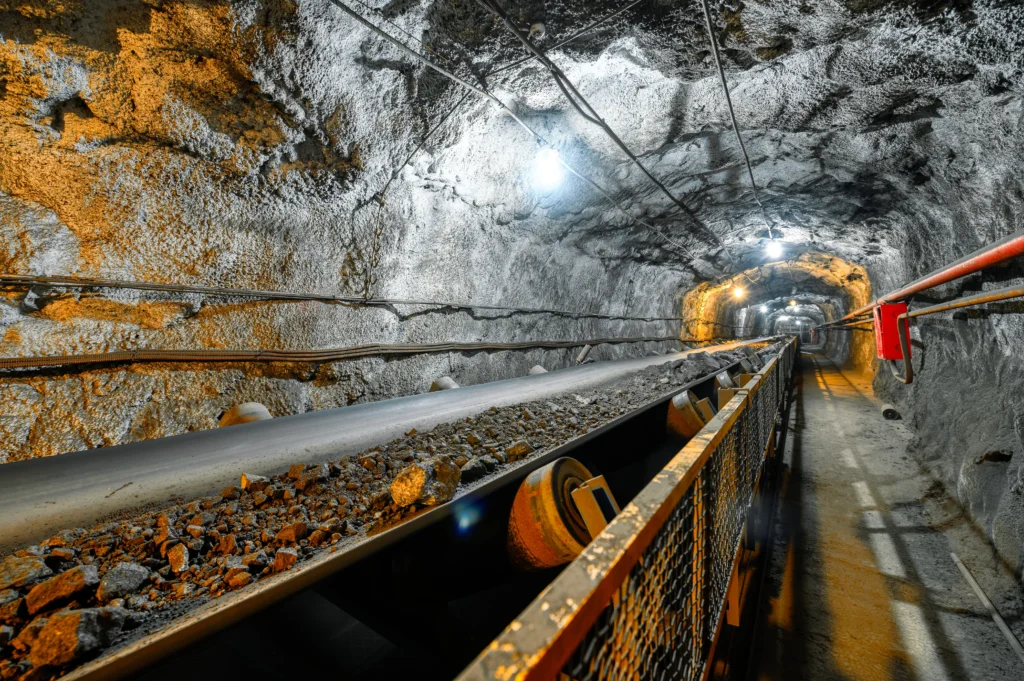
Activated carbon adsorbs residual gold, silver, and other valuable metals from mineral processing wastewater (e.g., cyanide tailings). Parameters like carbon type, pH, and flow rate are optimized to maximize metal recovery.

Principaux avantages

2. Heavy Metal Remediation in Acid Mine Drainage

Aperçu de la solution

Acid-modified activated carbon treats Sb²⁺, As, and other heavy metals in mining-impacted soils or acidic pit water. A two-stage adsorption process at optimized pH (e.g., pH 5) immobilizes metals via surface complexation.

Principaux avantages

3. Soil Remediation for Mining-Impacted Areas

Aperçu de la solution

Activated carbon amendments reduce mobilization of Sb and As in flooded mine soils by adsorbing dissolved organic matter (DOM), which inhibits microbial Fe(III) reduction and subsequent metal release.

Principaux avantages

4. Advanced Carbon Modifications for Enhanced Performance

Aperçu de la solution

Oxidatively Modified Carbon (OMC) or MMT-impregnated carbon are engineered for superior gold adsorption. OMC mimics graphene oxide's structure for high gold-cyanide affinity, while MMT-carbon enables full thermal regeneration.

Principaux avantages

Blog connexe

Guide du débutant pour l'élimination des métaux Solutions de charbon actif
Lire la suite
Retour en haut

Obtenir une demande de renseignements

Nom