



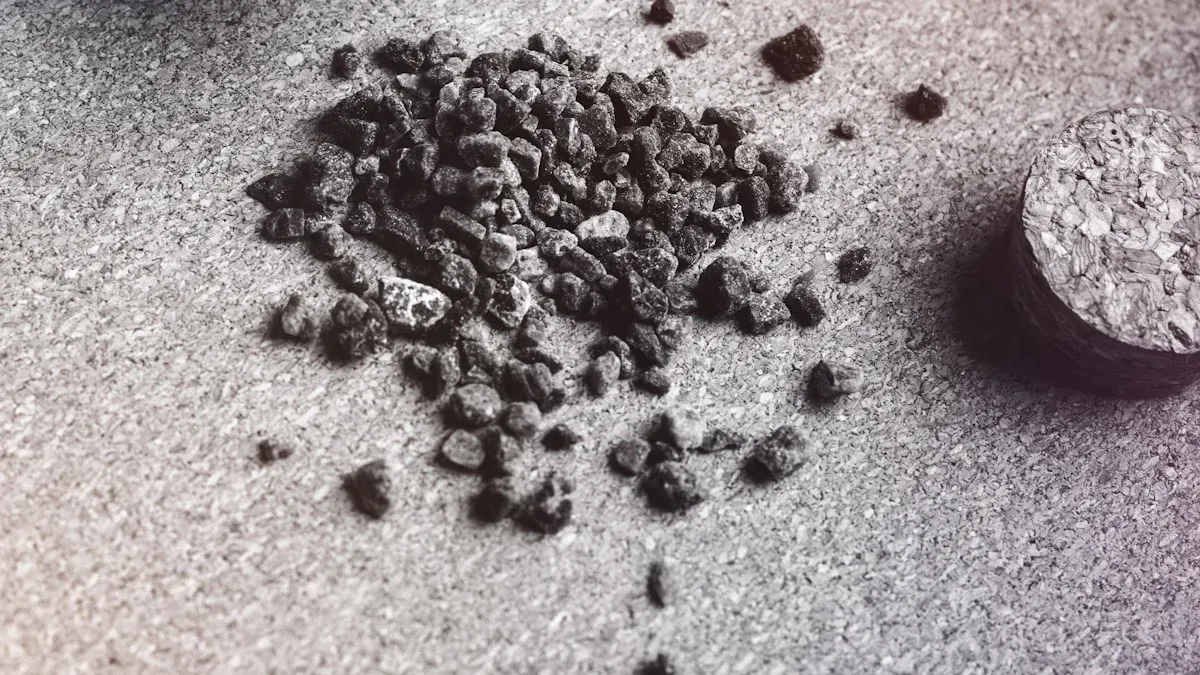
Acid charbon actif imprégné is a special kind of activated carbon. It is treated with acids like nitric acid or sulfuric acid. This treatment helps it catch and remove alkaline pollutants from air and water. It works better than regular activated carbon for this job. You can see the difference in le tableau ci-dessous:
Fonctionnalité | Acid Impregnated Activated Carbon | Standard Activated Carbon |
|---|---|---|
Traitement | Treated with acidic compounds | No specific treatment |
Capacité d'adsorption | Enhanced for alkaline pollutants | General adsorption capacity |
Common Impregnating Agents | Nitric acid, sulfuric acid, hydrochloric acid, hydrofluoric acid | Aucun |
Impregnated Activated Carbon is used in many industries. It helps get rid of harmful gases. It controls bad smells and keeps water clean. Its strong adsorption and chemical reaction make it very useful. It is important for cleaning tasks where safety and clean air or water are needed.
Principaux enseignements
Acid impregnated activated carbon is treated with acids. This helps it remove alkaline pollutants from air and water better.
This carbon works better than regular activated carbon. It is very good at trapping harmful gases like ammonia and hydrogen sulfide.
People use acids like nitric acid, sulfuric acid, and phosphoric acid to treat it. Each acid helps the carbon work better in different ways.
Making this carbon needs careful picking of materials and acids. This makes sure the final product is safe and works well for cleaning.
Acid impregnated activated carbon has a bigger surface area. It also has more active sites, so it traps pollutants more easily.
Many people use it in air and water cleaning systems. It is important for protecting the environment and for use in factories.
When you pick activated carbon, think about what pollutants you want to remove. Also, check which type is the best price for your needs.
For hard cleaning jobs, acid impregnated activated carbon is a good choice. It gives better results and lasts longer.
Acid Impregnated Activated Carbon Overview
Definition And Key Features
Charbon actif imprégné is different from regular activated carbon. Makers treat it with strong acids. This changes the surface of the carbon. It helps the carbon grab certain chemicals better. You can use it to clean air and water. It works well for removing alkaline substances.
Here is a table that shows what makes this carbon special:
Propriété | Description |
|---|---|
Composition | Impregnated with acidic compounds like H2SO4, HF, HCl, and HNO3 |
Efficacité de l'adsorption | Especially effective at adsorbing alkaline pollutants in water and air |
Application | Used in environmental remediation and air purification processes |
Impregnated activated carbon helps control pollution. It traps harmful gases and chemicals. Regular activated carbon might not catch these. You can trust it to catch specific unwanted substances.
Acidic Compounds Used
To make impregnated activated carbon, companies use different acids. Each acid helps the carbon work in its own way. The most common acids are phosphoric acid, sulfuric acid, and zinc chloride. These acids open up the carbon’s pores and make it more active.
Here is a table that explains what each acid does:
Acidic Compound | Role in Activated Carbon Impregnation |
|---|---|
Phosphoric Acid (H3PO4) | Acts as a chemical activating agent, helps break bonds, and increases porosity by entering the biomass pores |
Sulfuric Acid (H2SO4) | Used for activation processes, improves the surface for better adsorption |
Zinc Chloride (ZnCl2) | Treats non-carbonized carbon resources, but is less popular due to environmental concerns |
Each acid changes the activated carbon in a different way. Phosphoric acid makes the pores bigger. This helps the carbon catch more pollutants. Sulfuric acid helps the carbon react with chemicals. Zinc chloride is used less because it can harm the environment.
Target Pollutants
Impregnated activated carbon removes certain pollutants very well. It is best for getting rid of alkaline gases and chemicals. It also helps with some organic compounds.
Here is a table that shows which pollutants this carbon targets and how well it works:
Type de polluant | Efficacité de l'élimination |
|---|---|
Formaldéhyde | |
Acetic Acid | Haut |
Toluène | Moderate to High |
Formic Acid | Haut |
Other VOCs | Variable |
You can use this carbon to clean up formaldehyde, acetic acid, and formic acid. It also works for toluene and other VOCs. The results can change depending on the situation. Many companies use this carbon to keep air and water safe in factories, homes, and public places.
Tip: If you need to remove ammonia, formaldehyde, or other strong-smelling chemicals, impregnated activated carbon is often the best choice.
New improvements help this carbon remove even more pollutants. Companies like Kuraray and Jacobi Carbons have made better products. Some new types can remove ammonia gas and kill germs in the air. This means you get cleaner air and water when you pick the right activated carbon.
Production Of Impregnated Activated Carbon
Matières premières
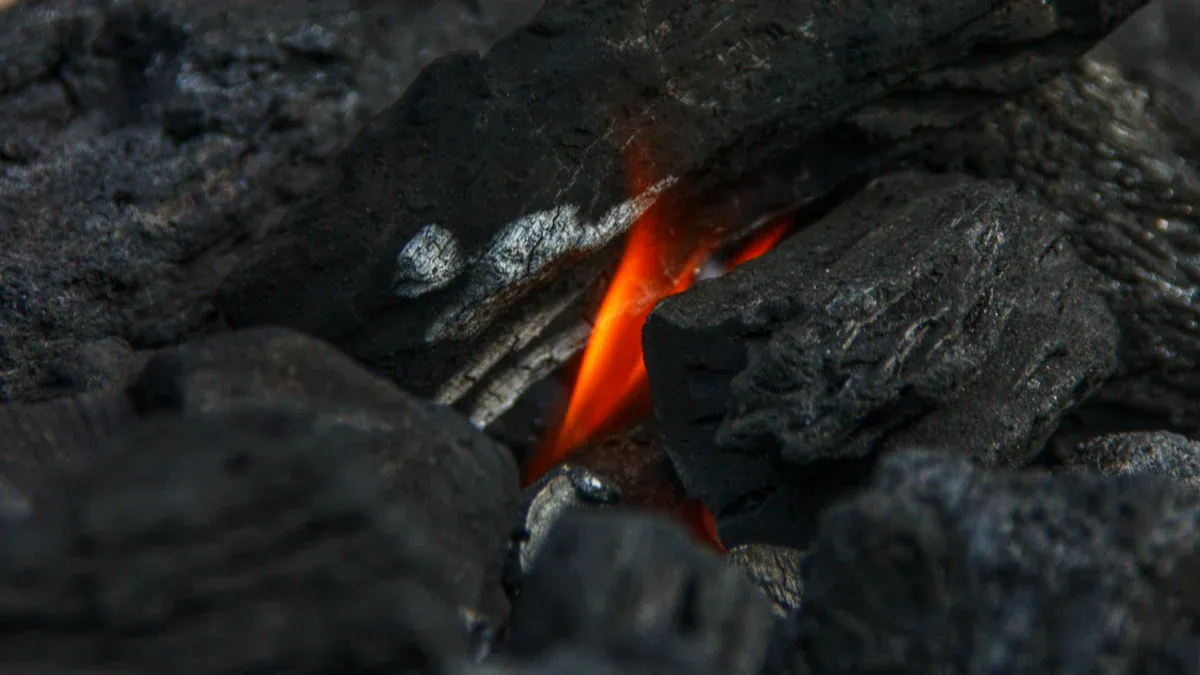
To make good activated carbon, you need the right starting materials. What you pick changes how well the carbon works. Some materials are better than others. Here are some common choices:
Coal, coconut shells, wood, and peat with lots of carbon
Materials that do not have much ash or many impurities
The activation process turns these materials into activated carbon. You use agents like potassium hydroxide, zinc chloride, or phosphoric acid. These help make tiny holes in the carbon. How you prepare the material changes the size of the holes and how clean the carbon is. If you use materials with lots of ash or metals, the carbon may not be as good.
Acid Impregnation Process
The acid impregnation process gives the carbon its special features. You must follow a few steps to make it work well. Here is a table that shows the main steps:
Étape | Description |
|---|---|
Selection of Carbon Material | Pick the best carbon for your needs. |
Selection of Impregnating Agent | Choose the acid, like phosphoric acid or sulfuric acid. |
Preparation of Impregnating Solution | Mix the acid with water to make the solution. |
Prétraitement | Clean and dry the carbon so the acid can soak in. |
Immersion or Soaking | Put the carbon in the acid solution so it can enter the pores. |
Impregnation Time | Let the carbon stay in the solution for the right amount of time. |
Drying and Curing | Take out the carbon, dry it, and sometimes heat it to keep the acid inside. |
You must control the acid strength, soaking time, and temperature. The acid makes more holes and adds special groups to the surface. This helps the carbon catch more alkaline pollutants. The process also takes away ash and metals, so the carbon is cleaner and works better.
Safety And Quality Control
You need to be careful and follow safety rules when making this carbon. The acids can be dangerous, so you must handle them safely. Here is how you keep the process safe and make sure the carbon is good:
Mix soft water with acid and send it to the treatment pool.
Watch the acid strength, soaking time, and temperature to remove ash and metals.
Wash the carbon with acid again if needed to make it pure.
Rinse the carbon with alkaline water and wash it many times to get rid of extra acid.
Treat and reuse the water to help the environment.
Dry the carbon in a clean place.
Remarque : The acid step can hurt the environment. It can cause acid in water, pollution, and more greenhouse gases. You can help by reusing water and saving energy during production.
If you follow these steps, you get carbon that is safe, clean, and ready to clean air and water.
Properties Of Acid Impregnated Activated Carbon
Capacité d'adsorption
Activated carbon can trap unwanted chemicals. Acid impregnated activated carbon works even better. The acid treatment makes the surface more active. It grabs alkaline pollutants more easily. This helps remove more harmful gases and chemicals from air and water.
Chemically treated activated carbon catches gases like hydrogen sulfide much better.
Acid impregnated activated carbon holds hydrogen sulfide three to five times better than regular carbon.
More pores give a bigger area for pollutants to stick to, so it works better.
Voici un tableau qui montre how well each type holds hydrogen sulfide:
Type de charbon actif | Adsorption Capacity for H₂S |
|---|---|
Ordinary Activated Carbon | Uses physical adsorption, not as good for polar substances. |
Holds hydrogen sulfide three to five times better than regular carbon. |
You can see acid impregnated activated carbon works much better, especially for gases that are hard to catch with regular carbon.
Chemical Reactivity
Acid treatment does more than add pores. It also changes the chemical groups on the carbon’s surface. These new groups help the carbon react with certain pollutants. Acid impregnated activated carbon can break down alkaline chemicals. It is great for removing ammonia, formaldehyde, and other strong smells.
The new chemical groups make the carbon pickier.
You can target certain pollutants that regular carbon might miss.
This helps you get cleaner air and water in tough places.
Structure physique
The way activated carbon is built affects how well it works. Acid impregnation changes the size and number of pores. This makes the material strong and effective.
Surface
A large surface area helps trap more pollutants. Acid impregnated activated carbon has more pores than regular types. This gives a bigger surface for chemicals to stick to.
The chemical process makes supermicropores and small mesopores. These are good for trapping gases like carbon monoxide.
A bigger surface area means better cleaning in air and water.
Taille des pores Type | Effect on CO Adsorption |
|---|---|
Ultramicropores | Not enough space for carbon monoxide, so low adsorption |
Large Mesopores | Low surface area, so low adsorption |
Supermicropores | High surface area, great for carbon monoxide adsorption |
Small Mesopores | Also good for carbon monoxide adsorption |
Durability
You want a material that lasts a long time. Acid impregnated activated carbon keeps its shape after many cleanings. The strong bonds from acid treatment help it stay together. You can use it for a long time in filters and purifiers.
Tip: Pick acid impregnated activated carbon when you need strong and long-lasting performance for tough cleaning jobs.
How Acid Impregnated Activated Carbon Works
Mechanism Of Adsorption
When you use activated carbon treated with acid, it gets a special surface. The acid adds more acidic groups to the surface. These groups help the activated carbon catch alkaline chemicals. The surface acts like a sticky trap for some molecules.
Acidic functional groups on the surface pull in alkaline pollutants like ammonia.
Metal ions such as copper, zinc, and iron can sit on the carbon. They form bonds with ammonia. This makes the carbon even better at catching these pollutants.
Using hydrochloric acid to treat the carbon gives a cleaner surface. The acid removes unwanted minerals and opens more pores. This gives more places for pollutants to stick.
The activated carbon works at the tiny molecule level. The surface groups and metal ions act like magnets for alkaline chemicals. You get a material that grabs and holds harmful gases and chemicals that regular carbon might miss.
Removal Of Alkaline Pollutants
Vous pouvez utiliser acid impregnated activated carbon to remove many alkaline pollutants from air and water. This type of carbon works best for chemicals with a high pH or that are basic. Ammonia is a common example. When air or water passes through a filter with this carbon, the alkaline pollutants stick to the surface.
Here is how the process works:
Polluted air or water goes into the filter.
Alkaline pollutants touch the activated carbon surface.
Acidic groups and metal ions on the carbon grab the pollutants.
Clean air or water comes out the other side.
Activated carbon with more acidic groups and a bigger surface area can remove more pollutants. The acid treatment also helps by showing more active spots. This means you get better results when cleaning strong-smelling or harmful chemicals.
Pollutant | How Activated Carbon Removes It |
|---|---|
Ammoniac | Bonds with acidic groups and metal ions |
Hydrogen sulfide | Reacts with surface groups and gets trapped |
Amines | Attracted to acidic sites on the carbon |
Tip: If you want to remove strong odors or toxic gases, pick activated carbon treated with acid. You will get better results for tough jobs.
Limites
Acid impregnated activated carbon is powerful, but it has some limits. You should know these before you use it.
Acid impregnated activated carbon works best for alkaline pollutants. It may not work as well for acidic or neutral chemicals.
Over time, the carbon can fill up with pollutants. You will need to replace or clean it to keep it working well.
Some acids used in making the carbon can harm the environment if not handled right.
If you use the carbon in very wet places, the acid groups may wash away. This can make it work less well.
You should always pick the right type of activated carbon for your job. If you want to remove alkaline gases or chemicals, acid impregnated activated carbon is a smart choice. For other pollutants, you may need a different kind.
Applications Of Acid Impregnated Activated Carbon
Air And Water Purification
Activated carbon is used in many air and water cleaning systems. It works well in air filters. It can trap harmful gases and VOCs that make air unsafe. Many factories and homes use these filters to keep air clean. In water cleaning, activated carbon removes many bad things. You can find it in city water plants and factories. It helps take out organic compounds and heavy metals. The pharmaceutical industry also uses it a lot. It helps make medicines cleaner by removing color and other unwanted stuff.
Air filters use activated carbon to trap gases and VOCs.
Water plants use it to remove organic compounds and heavy metals.
Medicine companies use it to make products cleaner.
Groups like NSF make rules for these filters. These rules say how well the filters must work. They also check if the filters stop bacteria from growing. Filters that pass can show the NSF Mark. The EPA sets rules for heavy metals in water. Activated carbon helps meet these rules.
Utilisations industrielles
Factories use activated carbon in many ways. It helps remove strong acid gases like hydrogen sulfide and sulfur dioxide. It also removes oxides of nitrogen, hydrogen chloride, and hydrogen fluoride. Activated carbon fits into many types of filters. Different companies make these filters. Tests using ISO 10121-1:2014 show it works well in tough places. You can put it in exhaust systems to control pollution. Many industries trust it to keep their air safe.
Removes strong acid gases from factory exhaust.
Works in many filter systems.
Meets tough world standards for performance.
Protection de l'environnement
Activated carbon is important for protecting the environment. It can trap pollutants like VOCs, medicines, personal care products, heavy metals, pesticides, and herbicides. Acid impregnated activated carbon works even better for hard-to-remove things like mercury or ammonia. This material helps stop bad chemicals from getting into rivers, lakes, and oceans. Using activated carbon helps protect fish and other water life. Many cleanup projects use it to take out dangerous chemicals from soil and water.
Traps many pollutants, including VOCs and heavy metals.
Targets certain bad chemicals with better results.
Keeps water safe and helps clean up the environment.
Tip: If you want to follow strict rules and keep water and air safe, use activated carbon in your cleaning systems. You will get better results and help protect the earth.
Benefits And Comparison
Advantages Over Activated Carbon
Acid impregnated activated carbon has many benefits over regular activated carbon. The acid treatment changes the carbon’s surface. This helps it catch alkaline pollutants much better. You can use it to remove ammonia and hydrogen sulfide. It also works for other strong-smelling gases. The special surface and acidic groups help trap more chemicals faster.
You can remove tough pollutants more quickly and completely.
The carbon lasts longer because it holds more before you replace it.
It works well for cleaning both air and water.
This carbon also works well at lower temperatures. You can save energy in your systems. It helps lower the heat needed for things like CO2 capture by about 20%. This makes your work cheaper and saves energy.
Comparison With Other Impregnated Carbons
You might wonder how acid impregnated activated carbon compares to other types. Some other types are base or metal impregnated carbons. Each type has its own best use. Acid-treated activated carbon is great for removing alkaline pollutants. It also helps with CO2 removal at lower temperatures.
Acid-treated activated carbon has more surface area and acidic spots. This helps with amine regeneration and CO2 capture.
You can use less energy for cleaning, which saves money.
Other types, like base or metal impregnated carbons, may need more heat or energy.
Voici un tableau pour vous aider à comparer :
Type de carbone | Meilleur cas d'utilisation | Energy Needed | Surface | Cost Efficiency |
|---|---|---|---|---|
Acid Impregnated Activated Carbon | Alkaline pollutant removal, CO2 capture | Faible | Haut | Haut |
Base Impregnated Activated Carbon | Acidic gas removal | Modéré | Modéré | Modéré |
Metal Impregnated Activated Carbon | Specific heavy metals | Haut | Variable | Variable |
You can see acid impregnated activated carbon works well and saves money, especially for alkaline pollutants.
Choosing The Right Type
Think about your needs before you pick a type of activated carbon. Acid impregnated activated carbon is best for removing alkaline gases or chemicals. You should also think about cost and how big your project is.
Making acid impregnated activated carbon uses more energy and special tools. This can make it cost more at first.
If you have a big system, you can save money by buying more at once.
The raw material you pick, like coconut shells or coal, changes the total cost.
You must follow safety and environmental rules, which can add to your costs.
Tip: If you want to remove alkaline pollutants and save energy, acid impregnated activated carbon is a smart choice. For other jobs, look at base or metal impregnated carbons.
You can talk to a supplier to find the right activated carbon for your job. Always check how it works, what it costs, and if it is safe before you choose.
You have learned that acid impregnated activated carbon is very strong for cleaning. This kind of activated carbon gets treated with acid to work better. It can trap more alkaline pollutants than regular types. You can use it to clean air and water. It also helps in hospital wastewater and can even remove bacteria. The table below lists some main benefits:
Advantage | Application | Description |
|---|---|---|
Enhanced antibacterial efficacy | Traitement des eaux usées | Acid functionalization helps stop pathogens like E. coli. |
Increased adsorption capacity | Organic molecule purification | Acid treatment adds more active sites for better pollutant removal. |
Synergistic effects with biocides | Hospital wastewater treatment | Activated carbon with biocides saves money and helps the environment. |
If you pick acid impregnated activated carbon, you will get better cleaning for hard jobs. It helps make places safer and cleaner. Think about what you need to clean. See if activated carbon can help you reach your goals.