




You want your car to last a long time and feel nice. Water inside your car can cause many problems. If water collects, metal parts can get rusty. Mold can grow on the seats. Wet wires can make electrical things stop working. Mold and mildew can make the car smell bad. They can also cause allergies and breathing problems. An automotive desiccant helps stop these problems early. When you use a Car Desiccant, you protect important parts. It also keeps the air inside your car fresh and clean.
Punti di forza
Automotive desiccants soak up water in your car. This stops rust and mold from forming. Desiccants help keep the air inside your car clean. They also help stop bad smells from building up. Put desiccants under seats and in the trunk for best results. Check desiccant packs often for color changes. This tells you when to replace or recharge them. Desiccants keep water away from electronic parts. This helps these parts last longer. Using desiccants can help you save money on repairs. They stop problems caused by too much moisture. Pick reusable desiccants with color indicators. This makes it easy to check them and is better for the environment. Store your car with desiccants during rainy seasons. This keeps your car dry and safe.
Automotive Desiccant Overview
What Is an Automotive Desiccant
You might ask what an automotive desiccant does. It is a special material that soaks up water from the air in your car. People use it to keep cars dry and safe from water problems. When you put an automotive desiccant in your car, it helps stop rust and mold. It also keeps bad smells away before they start. These products are often in small packets, pouches, or bags. They work quietly and help your car stay safe and comfortable.
Automotive desiccants are important for car packaging too. When car parts travel far, these desiccants keep them dry and safe from harm. You can find them in both regular cars and work vehicles.
Come funziona
Automotive desiccants get rid of water in different ways. They pull water from the air and make the inside of your car less humid. This stops rust on metal and keeps seats and carpets dry. Some desiccants also help clean the air in your car, so it is better to breathe.
Here is a table that shows the main ways automotive desiccants work:
Meccanismo | Descrizione |
|---|---|
Absorption of moisture | Desiccants soak up water from the air, lower humidity, and stop rust. |
Cabin air filtration | They keep cabin air clean by soaking up water and stopping mold. |
Air conditioning system | Desiccants protect the AC by soaking up water that could hurt it. |
Component regulation | They control water in parts, stopping rust and damage. |
You can see that automotive desiccants do more than just keep things dry. They help your car work better and last longer.
Types of Automotive Desiccants
There are many kinds of automotive desiccants to pick from. Each one works best in certain places. Here are the most common types and how much water they can hold:
Tipo di essiccante | Moisture Absorption Capacity |
|---|---|
Gel di silice | Up to 40% of its weight |
Excellent moisture absorption | |
Calcium chloride | Up to 200% of its weight |
Molecular sieves | Tailored for specific moisture levels |
Silica gel is popular because it is safe and soaks up lots of water.
Clay desiccants come from nature and work well for car packaging.
Calcium chloride holds the most water and is good for storing cars.
Molecular sieves are used when you need to control water very carefully.
You will find these desiccants in many forms, such as:
Small silica gel packs for glove boxes or under seats
Reusable bags for bigger spaces
Pouches for car packaging and shipping
Note: The market for automotive desiccants is getting bigger. Experts think it will reach $1.6 billion by 2029. This shows more people trust these products to keep their cars safe.
By picking the right automotive desiccant, you help your car stay dry, fresh, and safe.
Moisture-Related Issues in Vehicles

If you leave your car in a wet place or drive in rain, you can have moisture problems. These problems can hurt your car’s parts, make it smell bad, and even make you feel sick. It is important to know how moisture causes trouble so you can keep your car safe.
Rust and Corrosion
Rust and corrosion are big problems caused by moisture in cars. When water gets into small cracks or sits on metal, it starts a reaction that eats the metal. High humidity and road salt, like in southern Canada and the northern United States, make rust form faster. In winter, de-icing chemicals like magnesium chloride and sodium chloride make corrosion worse. Magnesium chloride is even more harmful when it is humid. If you store your car for a long time or live in a wet place, you might see rust on the body, under the car, or inside doors. Rust can make your car weaker and lower its value.
Problema | Descrizione |
|---|---|
Rust formation | Water in cracks can cause rust, which weakens the car and lowers its value. |
Mold, Mildew, and Odors
Mold and mildew grow fast in cars with too much moisture. You might see this after driving in rain, leaving windows open, or parking in a damp garage. Mold likes wet seats, carpets, and air vents. Here are some ways moisture gets in and causes mold:
Mold grows well in damp places, so cars in these spots can get moldy.
Driving in rain can bring water inside, helping mold grow.
Leaving windows open when it is humid lets water in.
Warm air hitting cold surfaces can make water collect.
Signs of mold are spots, bad smells, and stale air.
Leaks from door seals or sunroofs, blocked AC drains, or flooding can make things worse. Mold and mildew do not just smell bad. They can also give you headaches, make you tired, or hurt your throat. These problems happen more in humid places like Tampa, Florida, or in winter when cars stay closed for a long time.
Stains and Upholstery Damage
Too much moisture can ruin your car’s seats and carpets. When water gets in the fabric, it can leave stains and change the color. Studies show that wet seats can move dirt around and make rings or spots. Some fabrics have dyes that break down if they get too wet. Drying fast and cleaning often can help stop these problems, but they can still happen if you wait too long.
Meccanismo | Descrizione |
|---|---|
Soil Displacement | Wet seats can move dirt, making a ring around the stain. |
Dye Damage | Some fabrics have dyes that get damaged by too much water or wrong cleaning. |
Need for Quick Drying | Cleaning and drying fast helps stop damage from moisture. |
You might also see water on windows or cold parts, which can make you uncomfortable and cause more damage. If you ignore these moisture problems, you could face bigger repairs and a less comfy ride.
Tip: Always look for signs of moisture in your car, especially after winter or if you store it for a long time. Using automotive desiccants can help stop these problems and keep your car in good shape.
Moisture-Sensitive Component Protection
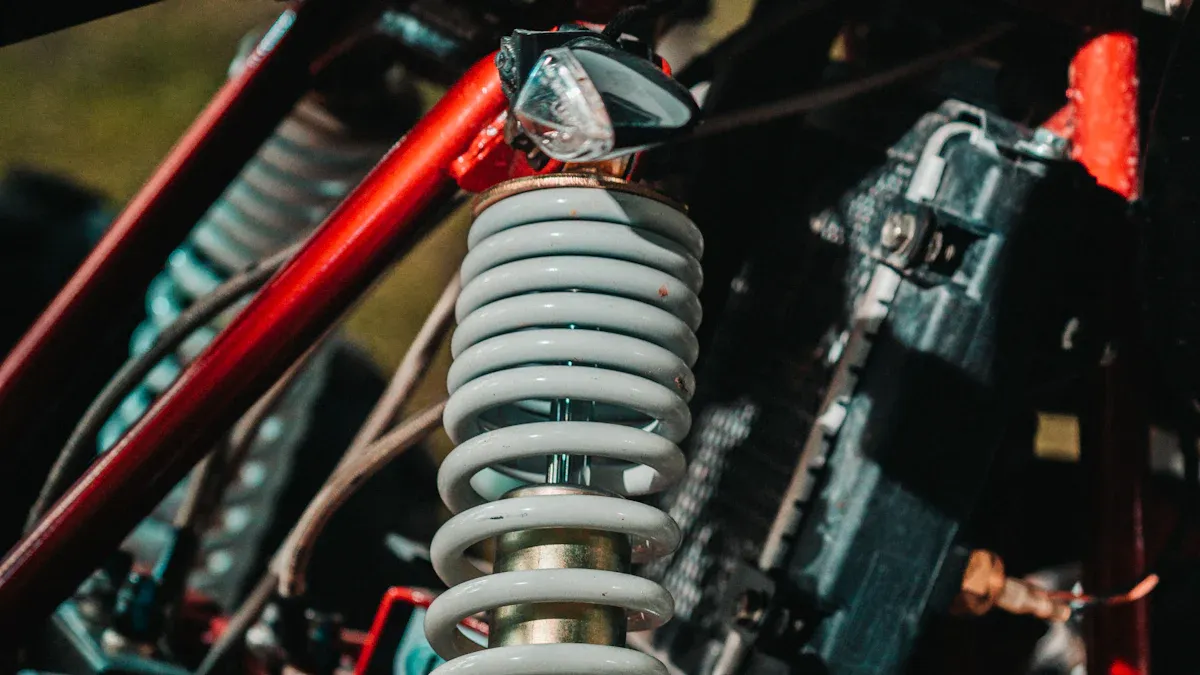
Your car has many parts that do not like water. These parts need to stay dry to work well. If water gets in, it can cause big trouble. Desiccants help keep these parts safe and dry.
Electronics Protection
Modern cars have lots of electronic parts. These parts help run the engine and safety systems. They also control music and other features. If water gets inside, things can stop working. You might see warning lights or your radio may not turn on.
Some of the most at-risk electronic parts are:
Engine control units
Safety sensors and airbags
Infotainment systems
Wiring harnesses
Desiccants soak up extra water in small spaces. They keep the air dry around your electronics. This helps your car’s electronics last longer. Desiccants also help stop rust and corrosion. They lower the chance of sudden problems that could leave you stuck.
Tip: Put desiccant packs near fuse boxes or under the dashboard. This helps protect electronics from hidden water.
Air Conditioning Systems
Your car’s air conditioning keeps you cool in summer. It also helps clear foggy windows. Water inside the system can cause leaks and make the AC weak. Over time, water can break down the refrigerant and oil. This can lead to costly repairs.
Desiccants are important for air conditioning. They soak up water before it can hurt the system. This helps your AC work better and last longer. You get cooler air and fewer bad smells or weak airflow.
Here is a table that shows how desiccants help your AC:
Problem Caused by Moisture | How Desiccants Help |
|---|---|
Refrigerant leaks | Absorb water to stop leaks |
Acid formation | Prevent acid buildup |
Oil breakdown | Keep oil clean and effective |
Lower cooling power | Maintain strong performance |
Keeping water out protects your AC from rust. It helps your AC work well for many years.
Desiccant for Automobile Lights
You might see foggy headlights after rain or a car wash. This happens when water gets inside the light. Foggy lights make it hard to see at night. They can also make your car look old. Water can also make bulbs and wires stop working early.
A desiccant for automobile lights stops fogging. It soaks up water before it collects inside the lens. You can put small desiccant packs inside the light. This keeps your lights clear and bright. Your headlights last longer and you stay safer on the road.
Note: Many car makers now put desiccants in new headlights. This helps them last longer and look new.
Using desiccants in your car’s electronics, AC, and lights keeps them safe from water. You save money on repairs and enjoy a safer, more comfortable ride.
Practical Benefits of Automotive Desiccants
Preventing Musty Odors
You want your car to smell nice when you get in. If water stays inside, it can make bad smells in the seats and vents. Automotive desiccants help stop these smells before they start. Put a high performance desiccant under your seats or in the trunk. It will soak up extra water that causes mold and mildew. This keeps the air in your car clean and fresh. You also help keep the air safe for everyone riding with you.
Tip: Put a high performance desiccant in your trunk. This helps stop hidden smells and keeps your trunk dry.
Reducing Condensation
Condensation can make your windows foggy and hard to see. It can also leave water drops on your dashboard and seats. Using a high performance desiccant helps stop fog on your windows and mirrors. These products pull water from the air. This helps stop condensation on rainy days or cold mornings. You get clear windows and a safer drive. If you store your car for a long time, a high performance desiccant keeps the inside dry and stops water from building up.
You can also use desiccants to stop fog in your headlights and taillights. This keeps your lights bright and helps you see better at night. High performance desiccant packs work well in small spaces. You can put them anywhere you see water problems.
Extending Component Lifespan
Keeping water away from your car’s parts helps them last longer. High performance desiccant products soak up water very well. They protect metal from rust and corrosion. They also keep electronic parts safe from short circuits and damage. This means you fix your car less and it lasts longer.
Here are some ways high performance desiccant products help keep your car safe:
They soak up water from the air. This lowers humidity and stops rust on metal parts.
They control humidity in packaging and storage. This protects electronic parts from water damage like short circuits or corrosion.
You can pick desiccant products with color changes and reusable features. These let you know when to change or recharge the desiccant. Many high performance desiccant bags turn from orange to green when full of water. You can dry them in the microwave, so they are eco-friendly and save money.
Caratteristica | Descrizione |
|---|---|
Moisture Absorption | Good humidity control using silica gel in solid or gel form. |
Riutilizzabilità | Orange-to-green color shows when the bag needs to be dried in the microwave. |
Compact Design | Great for small spaces like cars, closets, or laundry rooms with strong, waterproof material. |
Eco-Friendly | Protects against humidity and makes less waste because you can use it again. |
When you use high performance desiccant products, your car stays dry, smells good, and works well for a long time. You also save money by not needing as many repairs or new parts.
Best Practices for Using Desiccants
Placement and Installation
You can get the most out of your automotive desiccant by placing it in the right spots. Some areas in your car collect more moisture than others. If you want to stop water problems before they start, try these locations:
Under the seats: This spot often traps moisture because air does not move much here.
In the footwells: Wet shoes and rainy days can leave water in this area.
Near the windshield or dashboard: Placing desiccants here helps reduce fog on your windows.
In the trunk or cargo area: Wet items or leaks can make this space damp.
Inside door pockets or storage compartments: These small spaces can hold hidden moisture.
Near the air vents or on the back shelf: These areas help control humidity in less ventilated parts of your car.
You can also choose different installation methods based on your needs. Here is a table to help you pick the right method:
Descrizione | |
|---|---|
Normal Dry Heat Method | Heats the area to control humidity indirectly. |
Desiccant Dehumidifier | Removes moisture directly from the air, great for metal parts. |
Dryair VRF(HP) Units | Uses heat pump technology to control humidity and temperature together. |
Tip: Always follow the instructions on your desiccant product for the best results.
Monitoraggio e sostituzione
You need to check your desiccant packs often to make sure they still work. Many packs have color indicators that show when they are full of water. This makes it easy to know when to replace or recharge them. Here is a quick guide:
Color When Dry | Color When Saturated | Action Required | |
|---|---|---|---|
Blue | Dark Blue | Pink | Replace |
Orange | Orange | Green | Recharge |
If you see the color change, take action right away. Some desiccants can be dried in the microwave and used again. Others need to be thrown away and replaced. Checking your packs every month helps keep your car dry and safe.
Storage and Seasonal Use
You should use special care when storing your car for a long time or during wet seasons. Here are some steps to follow:
Clean your car and fill the gas tank.
Place 3-5 desiccant bags inside the vehicle to absorb moisture.
Store your car in a garage with a tight-fitting cover.
If you use your car every day, you may not need as many desiccant packs. Cars in regular use get more fresh air, which helps control moisture. For long-term storage, you need more protection to stop rust, mold, and bad smells.
Note: Following the best practices for using desiccants keeps your car fresh and protects it from hidden water damage. You can enjoy a cleaner, safer ride all year long.
You keep your car safe from water by using automotive desiccants. These products help stop rust and protect electronics. They also help your car last longer. Here are the main benefits:
Benefici | Descrizione |
|---|---|
Moisture Control | Desiccants control water in cars and stop damage from humidity. |
Rust Prevention | They help stop rust and corrosion on metal parts. |
Protection of Sensitive Components | Desiccants keep electronic parts safe from water damage and help them work well. |
Quality and Longevity | They help cars and car parts stay strong and last longer. |
Pick reusable desiccants with color changes so you can check them easily. Your car stays dry and does not smell bad. You keep your family safe. These choices do not use chemicals and are safe for kids and pets.