



You might ask if clay desiccant is harmful. Clay desiccant is not toxic. It is safe for you and pets. Many people worry because packets say “do not eat.” People also find them in shoes, food boxes, or medicine bottles. Some think all desiccants are alike. Some believe Argilla Montmorillonite essiccante e Argilla attapulgata essiccante never stop working.
Common misunderstandings include:
Desiccants soak up water forever.
All desiccants work the same.
“Do not eat” means it is poisonous.
You can be sure clay desiccant is not dangerous. But you should always think about safety.
Punti di forza
Clay desiccant is safe for people and pets. It does not have poison. It does not let out bad chemicals.
The ‘do not eat’ warning is for safety. It is not because clay desiccant is dangerous. Eating it by accident may cause a small stomach ache.
Keep clay desiccant packets in cool, dry places. This helps them work well. Low humidity is best.
Always keep desiccant packets away from kids and pets. This stops choking accidents.
If a pet eats clay desiccant, give it water. Watch for signs like throwing up. Call a vet if your pet does not get better.
Wash your hands after touching desiccant packets. This helps stop skin problems. If dust gets in your eyes, rinse with water.
Clay desiccant is used for food and medicine packages. It is chosen because it is natural and safe.
Throw away used packets the right way. Follow your local trash rules. Do not flush them in the toilet.
What Is Clay Desiccant?
Definition and Composition
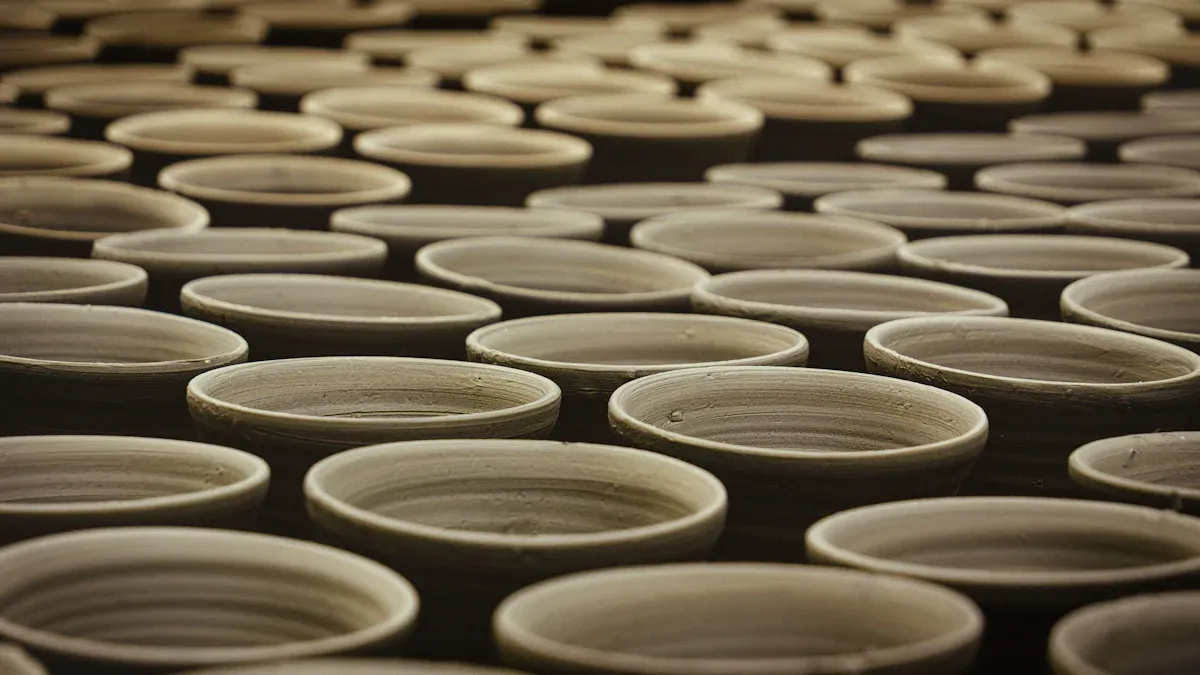
Desiccant packets are found in boxes and bags. Clay desiccant is made from natural clay minerals. It helps keep things dry. The clay comes from the ground. It does not have dangerous chemicals. Clay desiccant is safe to use and is not toxic.
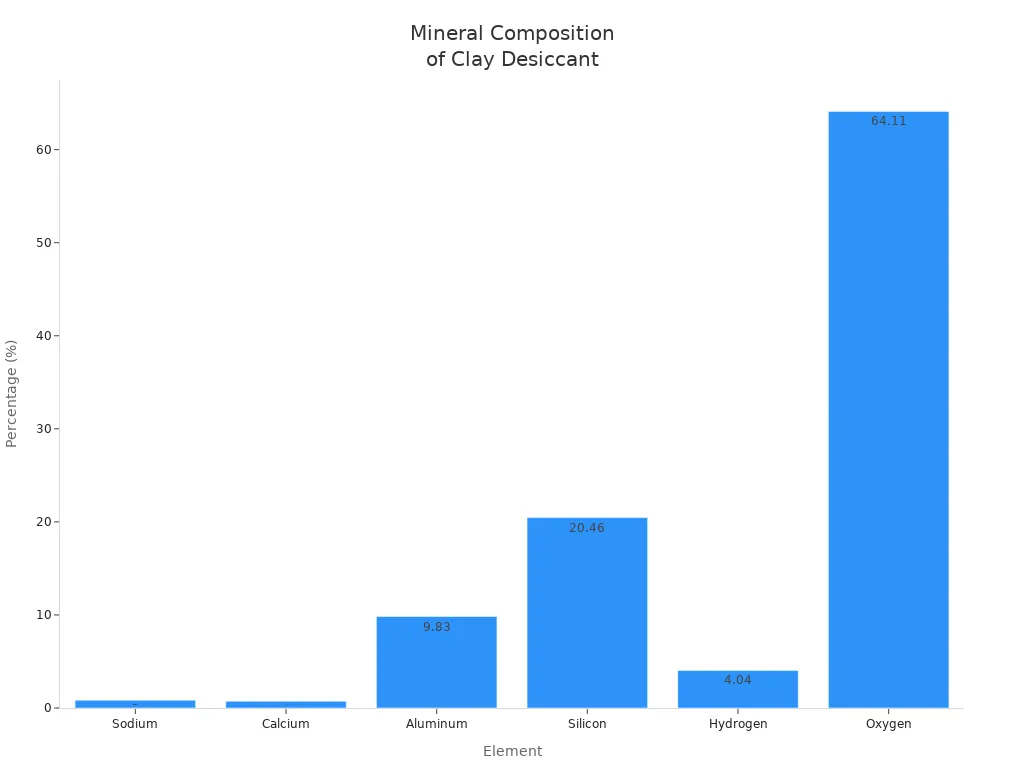
Clay desiccant has minerals like sodium, calcium, aluminum, silicon, hydrogen, and oxygen. These minerals help soak up water. Here is a table that shows the mineral amounts:
Element | Percentage (%) |
|---|---|
Sodium | 0.84 |
Calcium | 0.73 |
Aluminum | 9.83 |
Silicon | 20.46 |
Hydrogen | 4.04 |
Oxygen | 64.11 |
You can also look at the chart to see the mineral percentages:
Usi comuni
Clay desiccant packets are used in many places. They protect things from getting wet or ruined. Here are some ways people use them:
Industria | Descrizione dell'applicazione |
|---|---|
Prodotti farmaceutici | Keeps medicine working well and lasting longer. Stops moisture from ruining medicine. |
Cibo e bevande | Helps food stay fresh and last longer. Stops food from going bad. |
Elettronica | Keeps parts dry so they do not rust or break. |
Shipping & Logistics | Stops mold and rust during shipping. Keeps goods safe while moving. |
Textiles | Stops mold and keeps fabric safe in storage and shipping. |
Specialized Sectors | Special desiccant packets for fancy items and machines. |
You might see these packets in food boxes, medicine bottles, shoe boxes, and electronics. They help keep things fresh and safe. Many companies use clay desiccant for food and medicine. It meets strict safety rules. The EU REACH and FDA say products must be safe.
Come funziona
Clay desiccant packets pull water from the air. The clay inside grabs water molecules. This keeps your things dry and stops mold or spoilage. You may wonder how clay is different from other desiccants. Clay desiccant can soak up 30-40% of its own weight in water. Calcium chloride can soak up much more, up to 300%. Clay works best when the air is not very wet. Calcium chloride works better when the air is very wet.
Clay desiccant packets are good for everyday things.
Silica gel packets also soak up water, but clay desiccant is often picked for food and medicine because it is natural and safe.
Clay desiccant keeps your stuff safe. The packets do not let out anything dangerous. You can touch them without worry. But you should keep desiccant packets away from small kids and pets.
Is Clay Desiccant Toxic?
Safety for Humans
Ingestione
You may wonder if clay desiccant is a poison. You see the words “do not eat” on packets and feel worried. You do not need to panic if you or someone else swallows a small amount. Clay desiccant is nontoxic and does not release harmful chemicals. Scientists have tested clay minerals in labs. They found no serious health problems in people or animals, even at high doses. You can trust clay desiccant in food packaging because it meets strict safety rules. The FDA and other groups say it is safe for you.
Aspetto | Risultati |
|---|---|
Sicurezza generale | Clay desiccants, especially montmorillonite, are generally non-toxic and safe for human exposure. |
Inhalation Risks | Potential for pneumoconiosis with pulmonary exposure. |
Food Safety | Suitable for food packaging and meets safety regulations. |
Toxicity in Studies | In vivo studies in rodents showed no systemic toxicity at high doses. |
If you eat a packet by mistake, you may feel mild stomach upset. You do not need to worry about poison. You should drink water and watch for symptoms. You can call a doctor if you feel sick.
Contatto con la pelle e gli occhi
You may touch clay desiccant when you open a box or bag. You do not need to worry. Clay desiccant does not cause skin burns or rashes in most people. You can wash your hands with soap and water if you feel dry or itchy. If you get clay dust in your eyes, you may feel mild irritation. You should rinse your eyes with clean water. You do not need to rush to the hospital unless you feel pain or cannot see clearly.
Tip: Always wash your hands after handling any desiccant packet. This keeps you safe and clean.
Safety for Pets
Dogs and Cats
You may have a dog or cat at home. You want to keep your pets safe. Clay desiccant is not a poison for your dog or cat. If your dog eats a packet, you may see mild stomach upset. Your dog may vomit or have diarrhea. You do not need to panic. You should give your dog water and watch for symptoms. You can call your vet if your dog feels sick.
You may worry about your dog touching clay desiccant. Your dog may sniff or lick the packet. You do not need to worry about skin problems. Your dog may get mild irritation if clay dust gets in the eyes or nose. You should rinse your dog’s eyes with water if needed.
Some dogs may eat many packets. You should watch for choking or blockage. You can call your vet if your dog cannot breathe or vomits many times. You may see your dog cough or gag. You should keep packets away from your dog to prevent problems.
Your dog may find clay desiccant in shoes, food boxes, or medicine bottles. You should check these places and remove packets before your dog plays with them. You can use a box or drawer to store packets safely. You may see your dog sniff around new items. You should watch your dog and teach them not to eat strange things.
You may have a puppy at home. Puppies like to chew and explore. You should keep clay desiccant out of reach. You can use a shelf or cabinet to store packets. You may see your puppy try to bite a packet. You should stop them and give them a toy instead.
You may have more than one dog. Dogs may compete for new things. You should watch all your dogs when you open packages. You can throw away packets right away. You may see your dog try to eat a packet. You should say “no” and take it away.
You may walk your dog outside. Your dog may find packets on the ground. You should keep your dog on a leash and watch for trash. You can pick up packets and throw them away. You may see your dog sniff around bushes or bags. You should check the area before letting your dog explore.
You may travel with your dog. You should pack items safely and keep clay desiccant away from your dog. You can use a travel bag with a zipper. You may see your dog try to open bags. You should keep an eye on your dog during trips.
You may have a senior dog. Older dogs may have health problems. You should keep clay desiccant away from your senior dog. You can ask your vet for advice if your dog eats a packet.
Other Pets
You may have other pets like birds, hamsters, or rabbits. Clay desiccant is not a poison for these pets. You should keep packets away from cages and play areas. Some pets may chew or swallow packets. You may see mild stomach upset. You should give your pet water and watch for symptoms. You can call your vet if your pet feels sick.
Some cat litters use clay minerals. Chemical additives in cat litter can cause skin irritation or allergies in pets. Long-term exposure to dust may cause breathing problems like asthma or bronchitis. You should choose safe litter and clean the area often. You may see your pet sneeze or scratch. You should talk to your vet if symptoms last.
Rare or Unusual Reactions
Most people and pets do not have problems with clay desiccant. You may see rare reactions like allergies or breathing trouble. You should watch for coughing, sneezing, or rash. You can call your doctor or vet if symptoms do not go away. You should keep packets away from babies, small children, and pets to prevent accidents.
Note: Clay desiccant is safe for you and your pets. You should still use care and keep packets out of reach.
What If Clay Desiccant Is Ingested or Touched?
Ingestion by Children or Adults
You may worry if you or your child swallows a desiccant package. Many packets say “do not eat,” which can make you think they contain poison. In reality, clay desiccant is not toxic. Most people do not have serious problems after accidentally eating silica gel or clay desiccant. You should stay calm and follow these steps:
Drink water to help the desiccant move to your stomach.
Watch for symptoms like vomiting or stomach pain.
If you notice choking, act quickly. Perform the Heimlich maneuver if needed.
Seek medical help if you see repeated vomiting or trouble passing gas or stool.
Doctors and poison control centers agree that clay desiccant does not cause poisoning. You may feel mild stomach upset, but most people recover without treatment. If you feel very sick or cannot swallow, call your doctor right away.
Ingestion by Pets
Your pets may find a desiccant package in a shoe box or food container. Dogs, cats, and other pets sometimes chew or swallow these packets. Eating silica gel or clay desiccant usually causes mild stomach upset in pets. You may see vomiting or diarrhea. Most pets feel better after a short time.
Small pets face a higher risk of blockage if they swallow a large packet. You should watch for signs like trouble eating, vomiting, or not passing stool. If you see these symptoms, call your veterinarian. Blockage can be dangerous and may need quick treatment.
You can help your pets by keeping desiccant packages out of reach. Store boxes and bags in safe places. If your pet eats a packet, give them water and watch for symptoms. Most pets recover without problems, but you should always check with your vet if you feel unsure.
Skin or Eye Exposure
You may touch a desiccant package when you open a box. Clay desiccant does not cause burns or rashes for most people. If you get clay dust on your skin, wash with soap and water. If dust gets in your eyes, rinse with clean water. You may feel mild irritation, but serious problems are rare.
Tip: Always wash your hands after handling any desiccant package. This helps you avoid irritation and keeps you safe.
If you notice redness, pain, or trouble seeing, contact your doctor. Most people do not need medical care after touching clay desiccant. You can keep your family safe by storing packets away from children and pets.
Symptoms After Exposure
Signs in Humans
You may wonder what happens if you or your child comes into contact with a clay desiccant. Most people do not have serious symptoms. If you accidentally swallow a small packet, you might notice mild effects. The most common symptoms include slight stomach pain or mild gastrointestinal irritation. You may feel like you need to drink water or eat something to feel better.
If you touch the desiccant, your skin may feel dry or itchy. Sometimes, you may get a little redness or irritation, especially if you have sensitive skin. If dust gets in your eyes, you might feel a stinging or burning feeling. Washing your hands and rinsing your eyes with water usually helps.
If you see a child eating silica gel or clay desiccant, stay calm. Most cases do not lead to poisoning. Watch for any signs of choking hazard, like coughing or trouble breathing. If you notice these symptoms, seek help right away.
Here is a quick list of possible symptoms in humans:
Mild stomach upset
Nausea or vomiting
Dry mouth or throat
Skin irritation or redness
Eye irritation or watering
You should remember that most people recover quickly. Drinking water and resting often helps.
Signs in Pets
Your pets may also show symptoms if they eat or touch a desiccant packet. Dogs and cats sometimes chew on packets they find in boxes or bags. The most common symptoms in pets are mild and go away on their own.
Look for these signs in your pet:
Vomiting or diarrhea
Drooling
Loss of appetite
Coughing or gagging (if there is a choking hazard)
Signs of irritation around the mouth or eyes
Small pets, like hamsters or birds, may have a higher risk if they swallow a whole packet. You should watch for trouble breathing or signs of blockage. Most pets only have mild symptoms, such as stomach upset or slight irritation.
Tip: If your pet shows severe symptoms or does not get better, call your veterinarian for advice.
You can help your pets by keeping all desiccant packets out of reach. Quick action and careful observation keep everyone safe.
Cosa fare in caso di esposizione
First Aid for Humans
You might feel scared if you touch clay desiccant. You should act fast if there is an emergency. If you swallow a packet, stay calm. Drink water to help move it in your stomach. Do not try to make yourself vomit unless a doctor says so. Watch for choking or trouble breathing. If you see these signs, call for help right away.
If clay desiccant gets on your skin, take off dirty clothes. Wash your skin with cool water for 15 minutes. Use gentle water so you do not hurt your skin more. If your skin still feels bad, get medical help. If dust gets in your eyes, rinse with lots of water. Lift your eyelids to clean well. Tilt your head down so water washes the eye. If your eyes still hurt, see a doctor.
Tip: Always keep desiccant packets away from kids to stop accidents.
Quick Steps for Human Exposure
Drink water if you swallow a packet.
Do not eat or drink more until you feel better.
Take off dirty clothes if it touches your skin.
Wash skin with cool water for 15 minutes.
Rinse eyes with water and lift eyelids.
Watch for choking or trouble breathing.
Get medical help if you still feel sick.
First Aid for Pets
Pets sometimes chew or eat desiccant packets. You should act fast if this happens. If your pet eats a packet, give them water. Do not make your pet vomit unless a vet says so. Watch for vomiting, diarrhea, or blockage. If your pet cannot breathe, drools, or cannot eat, get help right away.
If clay desiccant gets on your pet’s skin, rinse with cool water. Take off dirty fur or bedding. If dust gets in their eyes, wash with clean water. Watch for redness or irritation. If your pet does not get better, call your vet right away.
Quick Steps for Pet Exposure
Give water if your pet eats a packet.
Do not make your pet vomit unless a vet says so.
Rinse skin or fur with cool water.
Wash eyes with water if needed.
Watch for choking or bad vomiting.
Get help for serious symptoms.
When to Seek Medical Help
You should know when to get help fast. If you or your pet cannot breathe, have strong pain, or keep vomiting, get help right away. If you do not get better after first aid, call your doctor or vet. You can call poison control if you are not sure what to do. If your pet cannot eat or has blockage, call your vet right away.
Situation | Action Needed |
|---|---|
Trouble breathing | Get emergency help |
Repeated vomiting or diarrhea | Get medical help |
Eye pain or vision problems | Get medical help |
Choking or blockage in pets | Get emergency help |
Symptoms do not improve | Call doctor or vet |
Note: Acting fast in an emergency can stop big problems. Always keep emergency numbers close.
Prevention and Safety Tips
Safe Storage
You can keep clay desiccant safe by storing it right. Put packets in cool, dry places. The air should not be too wet. Try to keep humidity under 50%. Use sealed containers to keep packets fresh. Close bags or drums after you open them. Use liners with desiccant packs to block moisture. Do not put packets on concrete floors. Place them on shelves or pallets. This stops water from getting into the packets. Always check where you store the packets. Make sure they stay dry and closed.
Keeping Away from Kids and Pets
You need to keep clay desiccant away from kids and pets. It is not poisonous, but it can cause choking. Put packets in high cabinets or locked drawers. Always look in boxes and bags before leaving them out. Teach kids not to touch or eat small packets. Watch pets when you open packages with desiccant. If you see a packet on the floor, pick it up fast.
Tip: Use childproof containers for extra safety at home.
Smaltimento
You can throw away clay desiccant in the trash. Follow your local rules for waste. Check if the packet touched chemicals or dangerous things. Ask your waste center what to do if you are not sure. Never flush packets down the toilet or sink. Put them in a sealed bag before tossing them out. This keeps your home and community safe. You help protect the environment by following these steps.
Clay Desiccant vs. Desiccant Silica Gel
Key Differences
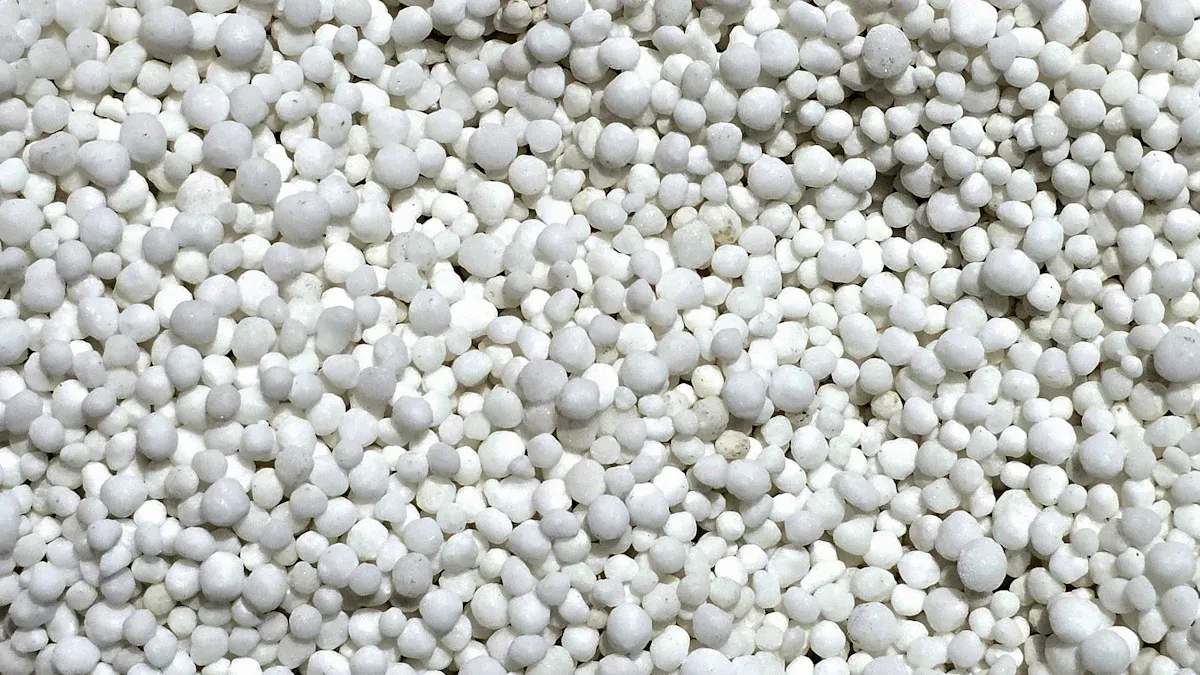
You see clay desiccant and silica gel in packages. Both keep things dry, but they work differently. Clay desiccant comes from minerals found in the earth. Silica gel is made from a man-made material called silica. You can look at the table to compare them:
Proprietà | Clay Desiccant | Gel di silice |
|---|---|---|
Composizione | Calcium and magnesium aluminium silicates | Silica (SiO2) |
Adsorption Mechanism | Absorption | Assorbimento |
Peak Efficiency RH Range | 30-60% RH | 40-70% RH |
Capacità di assorbimento | ≈ 25% of its own weight at 50% RH, 25°C | ≈ 30% of its own weight at 50% RH, 25°C |
Thermal Stability | Drops sharply above 50°C (122°F) | Up to 149°C (300°F) |
Dust Generation | Moderate if crushed | Very low |
Applicazioni | Suitable for earth-sourced products | Versatile for food and nutraceuticals |
Clay desiccant pulls water inside itself. Silica gel traps water on its surface. You find silica gel in electronics, vitamins, and shoes. Clay desiccant is used in food boxes and medicine bottles.
Note: Silica gel can handle high heat. Clay desiccant does not work well if it gets too hot.
Safety Comparison
You may ask which is safer for your home. Clay desiccant is natural and good for the earth. It does not have dangerous chemicals. Silica gel is made in factories. Some types have extra chemicals, which may not be safe for food.
Here is a table that shows why clay desiccant is picked for food and home use:
Fattore | Clay Desiccant | Gel di silice |
|---|---|---|
Moisture Absorption | Great at soaking up water | Works well but not as strong |
Costo-efficacia | Cheap and easy to find | Costs more to make |
Impatto ambientale | Safe for nature and earth | Can be bad for the environment |
Safety for Food Contact | Approved by FDA for food | Not always safe for food |
Riutilizzabilità | Can be used again | Usually used one time |
Performance in Humidity | Works in many humidity levels | Not as good in very wet air |
Clay desiccant is used in food packaging because it is safe. It does not hurt you or your pets. Silica gel is used in many things, but not all types are safe for food. You should check the label before using silica gel near food.
If you want something safe and good for the earth, pick clay desiccant. You can use it again and throw it away without hurting nature. Silica gel is best for electronics and things that need strong moisture control. Keep both types away from kids and pets.
Tip: Always look at the label before using silica gel or clay desiccant at home.
You can count on clay desiccant to keep things safe. Many people pick clay desiccant because it is natural and not harmful. It breaks down in nature and does not pollute. You keep your family and pets safe by putting packets where they cannot reach. Always read safety labels before using clay desiccant. Health groups say you should check for warnings and throw away old packets after you look at them. You help the earth and stop accidents when you use desiccants the right way. Clay desiccant helps you feel calm and keeps your stuff dry without danger.
Natural and not harmful
Safe for families and pets
Simple to throw away and good for the earth