



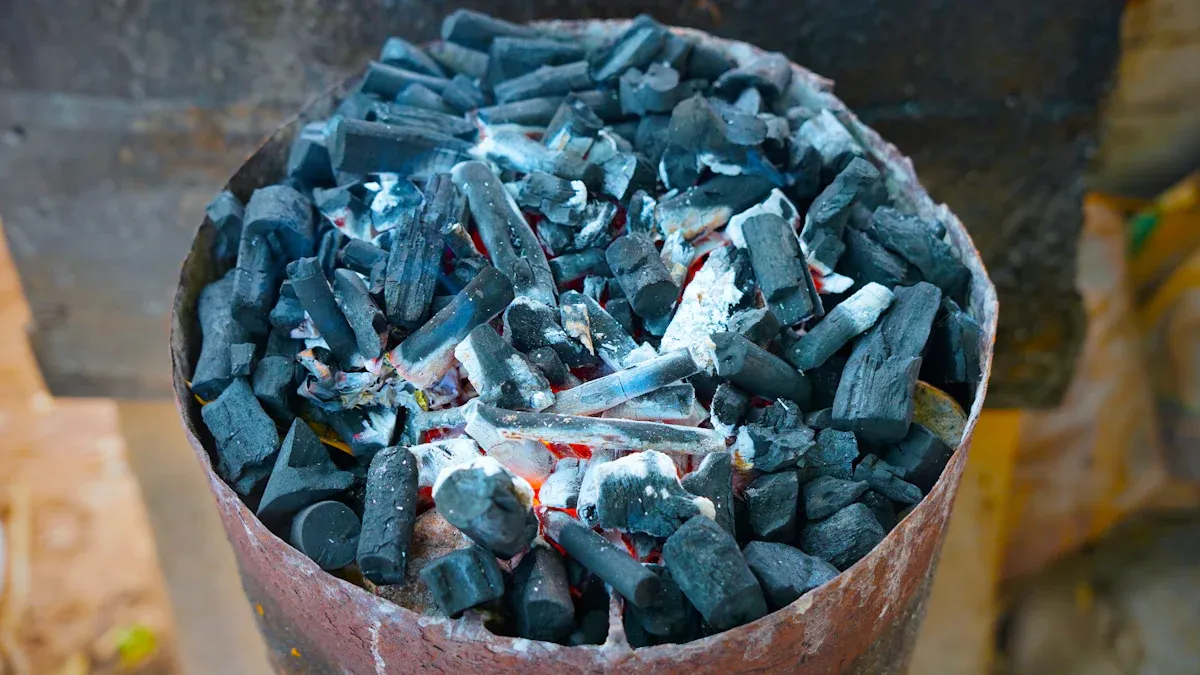
You use ammonia water 함침 활성탄 to clean air or water. It helps remove ammonia and other bad gases. This special material gets a chemical treatment. The treatment changes its surface. It becomes much better at trapping and stopping ammonia than regular carbon. Experts add acidic agents to the carbon during making. This process gives it the power to handle tough pollutants. Standard options cannot manage these pollutants.
주요 내용
Ammonia water impregnated activated carbon helps clean air and water by trapping ammonia and bad gases. The special way the carbon is treated helps it hold more ammonia, so it works better than regular activated carbon. The small holes in the carbon are made to fit ammonia molecules, so it can catch and remove more pollution. When used in water cleaning, this carbon can take out up to 40% of ammonia, which makes it a good choice for safe drinking water. It is important to check quality during making to make sure the carbon works well and is safe to use. Adding metals or amino compounds to the carbon can help it catch more pollution, so it works even better. You must store the carbon the right way; keep it dry and out of sunlight so it stays strong. Always follow safety rules when using ammonia and impregnated activated carbon to stop accidents and keep everyone safe.
Ammonia Water Impregnated Activated Carbon Overview
Composition and Structure
Ammonia water 함침 활성탄 has a special structure. Makers treat the carbon with ammonia water and acids. This changes the carbon’s surface. The treatment puts special groups on the carbon. These groups help trap ammonia. The carbon fibers have tiny holes called micropores. These holes are just bigger than ammonia molecules. This helps the carbon catch and hold ammonia.
Here is what makes the pore structure different:
These groups help trap more ammonia.
The micropores fit ammonia molecules well, so trapping works better.
The acidic groups react with ammonia, making the carbon work better.
주요 속성
There are some important things about this carbon for removing ammonia. The surface chemistry is important for holding ammonia. The surface pH, the types of groups, and water amount all matter. Water can help dissolve ammonia and make it react with carboxylic groups. Sometimes, water can also help ammonia leave the carbon. The carbon holds ammonia in different ways. These ways include van der Waals forces, dissolving ammonia, and acid-base reactions.
You can see these things when you test the carbon. The special treatment makes it hold more ammonia. The carbon works better when it is wet, but you need to watch for changes if the water amount changes.
Comparison with Standard Carbon
You might wonder how this carbon is different from regular activated carbon. The table below shows the main differences:
기능 | 표준 활성탄 | Ammonia Water Impregnated Activated Carbon |
|---|---|---|
Surface Functional Groups | 거의 | Many acidic oxygen-containing groups |
모공 크기 | 다양 | Micropores sized for ammonia molecules |
Adsorption Capacity for Ammonia | 낮음 | 높음 |
Activated Carbon Adsorption | General pollutants | Targeted for ammonia and similar gases |
Efficiency in Wet Conditions | 보통 | Enhanced |
You get better results with this carbon when you need to remove ammonia. The special treatment makes it work better and faster. You can use this carbon for hard jobs where regular carbon does not work well.
생산 프로세스
Impregnation with Ammonia Water
만들려면 ammonia water impregnated activated carbon, you first pick a raw material. You can use coconut shells, wood, peat, or charcoal. Each one gives the carbon different features. Next, you choose the best chemical for impregnation. This choice affects how well the carbon will work.
Here are the main steps in the process:
Select the raw material: Pick coconut shells, wood, peat, or charcoal as your base.
Choose the impregnation material: Pick the chemical that works best for your needs.
Prepare the impregnation solution: Mix the chemical with water or another liquid.
Pre-treat the carbon: Clean and dry the carbon before starting.
Immerse the carbon: Soak the carbon in the solution so it gets wet.
Wait for impregnation: Let the carbon sit in the liquid for some time.
Dry and cure: Take out the carbon, dry it, and sometimes heat it to finish.
This process changes the carbon’s surface. It adds special groups that help with activated carbon adsorption. The finished product can trap more ammonia than before.
Use of Amino Compounds and Metals
You can make the carbon work even better by adding amino compounds or metals. These extras help the carbon catch and hold more pollutants.
Amino acids add groups like amino (-NH₂) and carboxyl (-COOH) to the carbon. These groups grab onto ammonia and other molecules.
The new groups form hydrogen bonds and use electrostatic forces to hold pollutants.
In water treatment, this carbon is better at catching organic pollutants and heavy metals than regular carbon.
When you add these things, the carbon can hold more ammonia and other bad stuff.
Quality Control Steps
You need to check every batch of 함침 활성탄 for quality. Quality control makes sure the product works well and is safe.
팁: Test the carbon after each step. This helps you find problems early.
You should test for:
The right amount of chemicals on the carbon
Even spreading of the impregnation material
Correct pore size and surface area
How much water is in the carbon
How well it works in real situations
By doing these checks, you make sure your ammonia water impregnated activated carbon is high quality. Good quality control means you get good results every time.
Activated Carbon Adsorption Mechanism
Physical and Chemical Adsorption
Activated carbon adsorption happens in two main ways. First, the carbon grabs ammonia and other bad stuff on its surface. The carbon has lots of tiny holes. These holes give it a big area to catch things. When air or water moves through, the carbon acts like a sponge. It holds onto the ammonia inside its pores.
The holes in the carbon help it catch more impurities.
Ammonia gets stuck inside these tiny holes.
Sometimes, chemical changes happen on the surface. These changes turn harmful things into safer ones.
How well the carbon works depends on the size and shape of its holes. The number of special groups on the surface also matters. If the carbon does not like water, that can change how it works. The amount and type of oxygen groups on the surface are important. These groups help the carbon grab and hold ammonia tightly. Ammonia water 함침 활성탄 works better because it has more of these helpful groups.
Acid/Base Neutralization
Impregnated activated carbon does more than just trap ammonia. It also uses acid/base neutralization to get rid of it. The surface has many acidic groups. Ammonia is a base. When ammonia touches these groups, they react. This reaction makes new compounds that stay on the carbon.
Ammonia reacts with phosphoric acid to make ammonium phosphate.
Sulfuric acid reacts with ammonia to make ammonium sulfate.
The surface groups help these reactions happen.
These reactions help keep ammonia stuck to the carbon. This makes the removal process stronger and more dependable. If the carbon has more acidic groups, it can hold more ammonia.
Role of Copper and Other Metals
Adding metals to impregnated activated carbon makes it work even better. These metals help the carbon catch more ammonia and other bad things. Here is a table that shows how different metals help:
Metal Additive | Role in Ammonia Adsorption |
|---|---|
Copper | Early metal used for impregnation, enhances adsorption capacity |
Zinc | Improves removal of chemical contaminants |
Chromium | Used for air purification |
Silver | Enhances adsorption properties |
Tungsten | Contributes to the effectiveness of activated carbon |
Nickel | Aids in the removal of toxic gases |
Vanadium | Enhances the overall adsorption mechanism |
Molybdenum | Improves the efficiency of activated carbon |
Triethylenediamine | Used for filtering toxic gases without ammonia |
When you add metals like copper, the carbon can remove even more ammonia. The metals and surface groups work together to trap more pollutants. This makes impregnated activated carbon a great choice for cleaning air and water.
Ammonia Nitrogen Removal Applications
Ammonia water impregnated activated carbon is a strong tool for ammonia nitrogen removal. You can use it in many places where ammonia is a problem. This section explains how this special carbon helps clean water, treat factory gases, and fix pollution.
정수 용도
Ammonia often gets into water from farms, factories, or cities. Too much ammonia can hurt fish and make water unsafe to drink. Activated carbon for ammonia nitrogen works in water plants and fish tanks. It traps ammonia and keeps water safe.
Ammonia water impregnated activated carbon can take out up to 40% of ammonia if the conditions are right.
Silver oxide only takes out about 10% in the same case.
How much ammonia nitrogen is removed depends on pH, how much carbon you use, and water temperature.
This carbon works better than many other ways to remove ammonia. It helps you follow safety rules and protect nature. If you want cleaner water, this carbon is a good choice.
팁: Always check the pH and temperature of your water. These things can change how well the carbon removes ammonia nitrogen.
Industrial Gas Treatment
Factories and power plants can make gases with ammonia and other bad chemicals. You can use activated carbon for ammonia nitrogen to clean these gases before they go outside. Impregnated activated carbon is made for this job. It grabs ammonia and other bad stuff from the gas.
Here is a table that shows where you can use this carbon in factories:
애플리케이션 유형 | 설명 |
|---|---|
공기 정화 | Removes pollutants like VOCs, mercury, and sulfur gases from the air. |
가스 처리 | Takes out sulfides, mercaptans, acidic gases, and mercury from industrial emissions. |
화학 처리 | Removes hazardous chemicals to keep workers safe and protect the environment. |
You can see that ammonia nitrogen removal is needed in many jobs. This carbon helps you follow the law and keep the air clean.
환경 개선
Sometimes, ammonia leaks into dirt or water after spills or accidents. You need to clean these places to keep people and animals safe. Impregnated activated carbon can help fix these problems. It soaks up ammonia from the ground or water and makes the area safe again.
You can use this carbon in filters, barriers, or mix it into the soil. It works well for removing ammonia nitrogen where other ways do not work. You get a flexible and strong tool for cleaning up pollution.
참고: Always test the site before and after using the carbon. This helps you know how much ammonia you removed and if you need more cleaning.
By using ammonia water impregnated activated carbon, you can solve many problems with ammonia nitrogen removal. You help keep water, air, and land safe for everyone.
Benefits of Impregnated Activated Carbon
Enhanced Ammonia Adsorption
사용 시 함침 활성탄, it holds more ammonia. This is much better than regular carbon. The special treatment gives it extra spots for ammonia to stick. You can put it in water filters or air cleaners. It works quickly and keeps ammonia from escaping. If you need to remove ammonia nitrogen, this carbon is a strong choice.
팁: Pick activated carbon for ammonia nitrogen if you want to lower ammonia fast and safely.
Selectivity and Efficiency
You want a filter that removes the right things. Impregnated activated carbon is good at this job. It focuses on ammonia and gases like it. The carbon does not waste its power on other stuff. You get better results with less carbon. This means you do not have to change filters often. Removing ammonia nitrogen gets easier and works better.
Here is a quick chart to show the difference:
기능 | Regular Carbon | 함침 활성탄 |
|---|---|---|
Ammonia Removal | 낮음 | 높음 |
선택성 | General | Targets ammonia |
효율성 | 보통 | 우수 |
You can see that activated carbon for ammonia nitrogen is a better choice. It saves you time and effort.
Cost and Operational Advantages
You spend less money and work when you use impregnated activated carbon. It lasts longer because it holds more ammonia. You do not need to replace it as much. This saves you money over time. You also do not have to do as much maintenance. The carbon works well in water plants, factories, and fish tanks.
Fewer filter changes
Lower maintenance costs
Less waste to deal with
If you care about the planet, you will like this too. The carbon helps remove ammonia nitrogen and keeps water and air cleaner. It is an easy way to follow safety rules and protect health.
Using the right carbon makes removing ammonia nitrogen easier for you and better for the earth.
Considerations and Limitations
Safety and Handling
You need to be careful with ammonia water impregnated activated carbon. Ammonia can hurt you if you do not follow safety rules. Always wear gloves, goggles, and clothes that protect your skin and eyes. Use special tanks with safety valves and gas detectors to store ammonia. These tools help stop leaks and accidents.
When moving ammonia, stand where the wind blows away from you. Make sure hoses and lines are tight and safe. This keeps you safe from bad fumes. If there is an accident, wash the area with water for 15 to 20 minutes. If you breathe in ammonia or get frostbite, get medical help fast.
Key safety steps:
Store ammonia in safe tanks with gas detectors.
Stand upwind and check hoses when moving ammonia.
Wash with water and get help if exposed.
팁: Always follow your workplace safety plan when using ammonia water impregnated activated carbon.
Storage and Shelf Life
Store activated carbon for ammonia nitrogen in a dry place. This stops water from making it work less well. Good airflow helps remove smells and keeps air clean. Keep the carbon away from heat and cold. Hot places can hurt the carbon, and freezing can change it.
Keep the carbon out of sunlight. Sunlight can change the carbon and make it not work as well. Use sealed packages to keep dirt and other things out. Label each batch and write down how long you have had it. This helps you use the oldest first and waste less.
Best storage practices:
Keep in a dry, cool, and airy place.
Protect from sunlight and very hot or cold spots.
Use sealed packages to stop contamination.
Label and track how long you store each batch.
참고: Good storage keeps your 함침 활성탄 ready for ammonia nitrogen removal when you need it.
Potential Drawbacks
There are some things to think about before you pick this carbon. If you do not store it right, water can make it work less well. The carbon may not trap ammonia if it gets wet or dirty. You might need to change it more often if there is a lot of ammonia. Sometimes, it costs more than regular carbon because of the special treatment.
Some metals or chemicals in the carbon can react with other things. This can make new dangers if you do not follow safety rules. Always check the carbon before you use it. If you see damage or clumps, replace it to keep your system safe.
사용 good safety and storage steps helps you get the best results from ammonia water impregnated activated carbon.
Comparison with Other Impregnated Carbons
Other Chemical Treatments
There are many kinds of 함침 활성탄 you can buy. Each kind uses a special chemical to catch certain pollutants. Some carbons use acid or base chemistry to trap ammonia. These carbons make a salt inside their pores. The salt holds the ammonia so it cannot get out. This way works well for ammonia nitrogen removal in both water and air.
Some filters are made by mixing different chemicals together. These special filters remove ammonia vapor in places like oil and gas plants. They are used in amine gas treating and other hard jobs. You might see these filters in factories that make plastics or clothes. They help take out bad vapors from the air and keep workers safe.
다음은 몇 가지입니다. common ways to treat activated carbon:
Acid impregnation: Puts acids like phosphoric or sulfuric acid on the carbon to react with ammonia.
Base impregnation: Uses bases to catch acidic gases.
Metal impregnation: Adds metals like copper or silver to help remove some gases.
Blended treatments: Mixes acids, bases, and metals for special jobs.
참고: Always pick the chemical treatment that matches the pollution you want to control.
Choosing the Right Carbon
You have to choose the right carbon for your job. Not every impregnated activated carbon works the same. Some types are better for gases, and others work best in water. Think about what you need to remove and where you will use the carbon.
Here is a table to help you compare the choices:
탄소 유형 | 최상의 사용 | Main Benefit |
|---|---|---|
Acid-impregnated | Ammonia, basic gases | Strong ammonia removal |
Metal-impregnated | Mercury, sulfur, toxic gases | Targets heavy metals |
Specialty-blended | Ammonia vapor, mixed pollutants | Flexible for many uses |
Standard activated carbon | General odors, organics | Low cost, broad use |
You should also think about price, safety, and how easy it is to use the carbon. Some carbons last longer or need less care. Others may cost more but work better for pollution control. Always read the label and ask for help if you are not sure.
If you want the best results, pick the carbon that fits your needs. This helps you keep people, equipment, and the environment safe.
You now know that impregnated activated carbon helps take ammonia out of water and air. The special treatment makes it better at trapping ammonia. It works really well in water cleaning. Look at the table to see how good it is:
Type of Cells | Time (hours) | |
|---|---|---|
NaOH-GAC-immobilized cells | 100 | 24 |
Free cells | 4.17 | 24 |
NaOH-GAC-immobilized cells (after 45 cycles) | 79.24 | N/A |
NaOH-GAC-immobilized cells (after 70 days at 4 °C) | 100 | N/A |
You need to think about safety, how you store it, and if water changes how it works. If you want even better results, try these ideas:
Learn how ammonia sticks to the carbon.
See how wetness changes how much ammonia is trapped.
Impregnated activated carbon is a strong and steady way to clean water and remove ammonia nitrogen. You can ask experts for help with your own needs.