



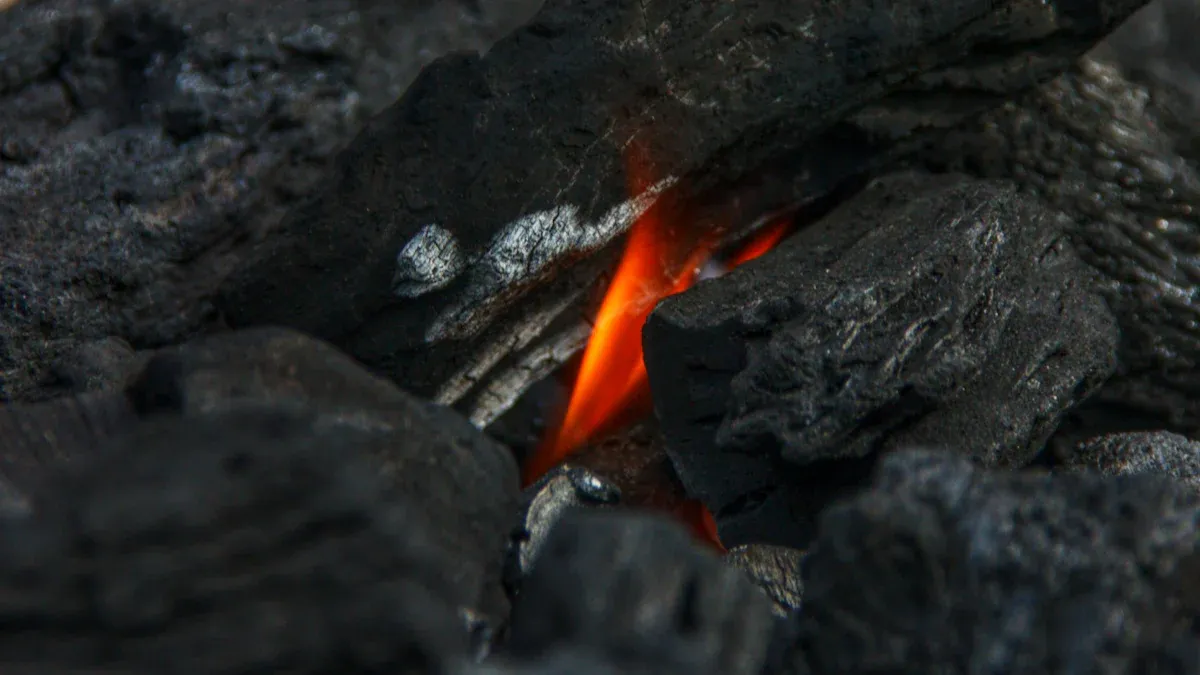
인산 함침 활성탄 helps clean air and water. It removes harmful gases from both air and water. You can find it in chemical plants and water treatment places. It captures ammonia, amines, and other basic gases. This type of Impregnated Activated Carbon is special. It works well for cleaning air and controlling basic gases. Many industries use it to treat dirty air and water. More people want to clean the environment. So, the global market for this material keeps growing.
주요 내용
Phosphoric acid impregnated activated carbon helps clean air and water. It removes bad gases like ammonia and amines. This activated carbon comes from things like wood or coconut shells. These materials are treated with phosphoric acid. This makes a big surface area and lots of tiny holes. The special features of this carbon help it work at lower temperatures. This saves energy when making it. Using the right amount of phosphoric acid can make the carbon better at trapping pollution. This means it can be made for special uses. Phosphoric acid impregnated activated carbon is very stable. It can handle tough conditions and still work well. This kind of activated carbon costs less and is better for the environment. It is better than some other types, like zinc chloride activated carbon. You must be careful when handling this carbon. It can be acidic and may need special ways to throw it away after use. Picking the right activated carbon for your job gives better results for cleaning air and water.
Phosphoric Acid Impregnated Activated Carbon Overview
정의
Phosphoric acid impregnated activated carbon is a special filter. Scientists make it from things like wood or coconut shells. They treat these with phosphoric acid. This gives the material lots of tiny holes and a big surface area. These features help it catch and hold bad chemicals in air and water.
Phosphoric acid (H3PO4) is a chemical that helps activate the carbon.
The process gives the carbon a surface area from 456.1 to 2806 m²/g.
It can hold between 2.5 and 89.29 mg of pollutants in each gram.
People use it to clean water and take out heavy metals.
Unique Features
This type of activated carbon is different because of how it is made. Phosphoric acid changes the carbon’s surface. This helps it trap certain chemicals better.
기능 | 설명 |
|---|---|
기공 구조 | Phosphoric acid makes pores by breaking down organic parts. |
표면적 | Using more phosphoric acid gives the carbon more surface area. |
활성화 프로세스 | You mix the starting materials with phosphoric acid and heat them. This step forms the pores. |
팁: Phosphoric acid acts like a helper. It helps make pores at lower heat. This saves energy. You can use this carbon to clean factory water and city water.
Comparison with Other Activated Carbon
You might wonder how this carbon compares to other types. Each kind has its own good points.
Zinc chloride activated carbon can hold more pollutants. It has a bigger surface area and more tiny holes, so it works better for some jobs.
Phosphoric acid impregnated activated carbon does not hold as much as zinc chloride activated carbon. But it still removes many bad things.
Acid impregnated activated carbon is great for cleaning water and air with ammonia, amines, and some other chemicals.
If you want something that works at lower heat and saves energy, this carbon is a good pick. It gives a good mix of performance and price. That is why many industries use it.
생산 프로세스
Biomass Precursors
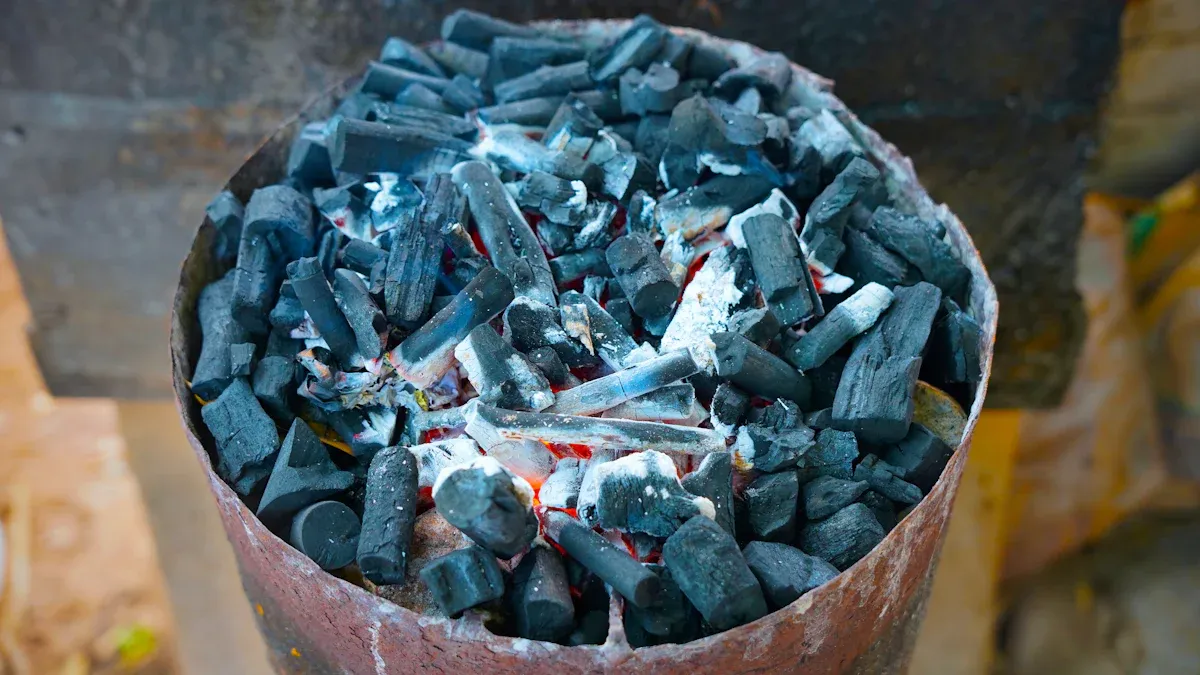
To 활성탄 만들기, you start with biomass. Most companies use lignocellulosic biomass because it works well. This kind of biomass comes from wood, coconut shells, or farm waste. These materials are strong and have a lot of carbon. They help you get more activated carbon after chemical activation.
Wood chips
Agricultural waste (like corn cobs or rice husks)
You choose the starting material based on price, how easy it is to get, and what you want the carbon to do. Coconut shells are good if you want a big surface area. Wood chips give a different kind of pore structure. Using farm waste saves money and helps recycle.
참고: Lignocellulosic biomass is the main source for phosphoric acid impregnated activated carbon. It gives a strong base for chemical activation.
Phosphoric Acid Impregnation
The next step is to use phosphoric acid for chemical activation. You soak the biomass in a phosphoric acid solution. This step changes the inside of the material. Phosphoric acid breaks down the organic parts in the biomass. It also helps the carbon form more pores.
Phosphoric acid helps turn the starting material into activated carbon.
It spreads important compounds through the biomass.
The process has three main parts:
Breaking down the organic matter
Spreading the compounds
Char reacting with P2O5 to open and grow pores
You can control how much phosphoric acid you use. More acid makes more pores and a bigger surface area. Less acid makes the product denser with fewer pores. How long you soak and how strong the acid is also change the final product.
팁: Phosphoric acid makes chemical activation easier and uses less energy. You can make activated carbon at lower heat than other ways.
Activation Steps
After soaking, you move to the activation step. You heat the soaked biomass in a furnace. The temperature is usually between 400°C and 600°C. This heat causes reactions that make the final pores. You must watch the temperature closely. Too much heat can hurt the pores. Too little heat means not enough activation.
While heating, phosphoric acid reacts with the carbon and opens up the structure. The result is a product with lots of pores and a big surface area. After this, you wash the carbon to get rid of leftover chemicals. Then you dry it to finish the activated carbon.
Heat the soaked biomass
Wash and dry the carbon
Test for surface area and pore size
You can change the steps to get the properties you want. If you need more adsorption, you can heat longer or hotter. If you want a certain pore size, you change the acid amount or heating speed.
Reminder: Chemical activation with phosphoric acid lets you control the final product. You can make activated carbon for water cleaning or air cleaning.
Impregnation Ratios
When you make activated carbon, the amount of phosphoric acid you use matters a lot. This amount is called the impregnation ratio. It means how much phosphoric you mix with your starting material, like coconut shells or wood chips. If you use more phosphoric, you get more pores and a bigger surface area. This helps the carbon catch more pollutants from air or water.
다음과 같은 방법을 확인할 수 있습니다. the impregnation ratio changes the carbon in the table below:
What Changes? | What Happens When You Use More Phosphoric? |
|---|---|
표면적 | The surface area gets bigger. |
모공 볼륨 | The number of pores increases, so the carbon can hold more pollutants. |
수율 | The amount of carbon you get can go up or down, depending on what you start with. |
구조 | The inside of the carbon changes. More phosphoric means more reactions and a different pore structure. |
If you use a high impregnation ratio, the phosphoric reacts more with the material. This makes the carbon better at trapping gases like ammonia and amines. But if you use too much, you might not get as much finished carbon. You need to find the right balance for your job. For example, if you want to clean air in a factory, you might use a higher ratio for better performance.
팁: You can control the properties of your activated carbon by changing the amount of phosphoric you use. Try different ratios to see what works best for your needs.
온도 제한
The temperature you use during activation also changes how your carbon turns out. When you heat the phosphoric-soaked material, you need to watch the temperature closely. If you heat it just right, you get strong, porous carbon. If you go too high, you lose a lot of your product.
그리고 best temperature for making activated carbon from some plant stalks is about 537.50 °C.
At this temperature, you get a high surface area (up to 473.45 m²/g) and a good yield (about 53.78%).
If you heat above 550 °C, the yield drops a lot. The carbon does not work as well for cleaning.
Lower temperatures might not open enough pores, so the carbon cannot trap as many pollutants.
You should always check the temperature when you make phosphoric activated carbon. The right heat helps you get the best mix of surface area and yield. This means your carbon will work well for cleaning air or water.
참고: Keeping the temperature in the right range helps you make high-quality activated carbon every time.
Key Properties of Acid Impregnated Activated Carbon
Surface Acidity and Polarity
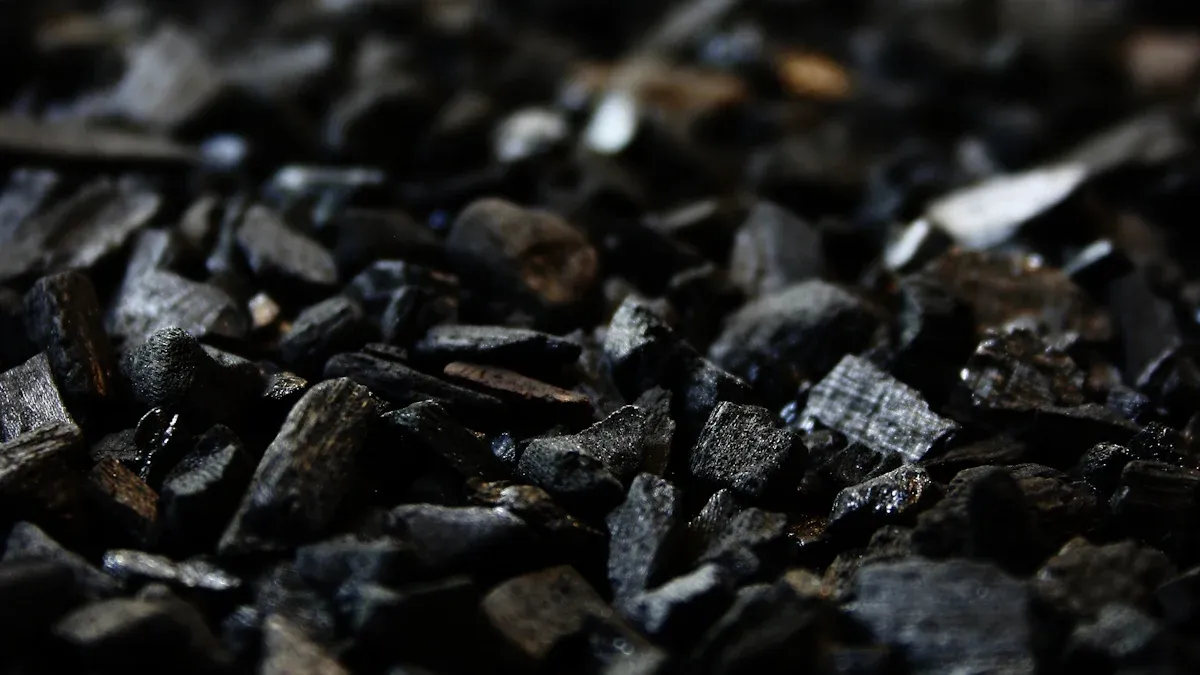
Acid impregnated activated carbon has a special surface. Phosphoric treatment puts acidic groups on the carbon. These groups change how the carbon reacts with chemicals. This helps it remove basic gases better. The surface acidity helps trap things like ammonia and amines. The surface also attracts polar compounds. This makes the carbon work well for cleaning air and water.
Acidic functional groups help catch polar alkaline molecules like ammonia.
A more acidic surface means it can hold more basic gases.
Activated carbon with phosphoric acid works better than untreated carbon.
If you want to get rid of ammonia in the air, use acid impregnated activated carbon. The surface acidity is a big help.
다공성 및 표면적
Phosphoric acid helps make lots of pores in the carbon. This gives the material many tiny holes and a large surface area. The carbon can hold more pollutants this way. The activation process with phosphoric makes good mesoporosity. The surface area can reach up to 1800 m²/g. This is much higher than other types of activated carbon.
High surface area lets the carbon catch more contaminants.
Mesoporous structure helps trap both big and small molecules.
The activating agent and the air used change the final surface.
When you use acid impregnated activated carbon, you get a big surface area and special pores. This makes it a great choice for cleaning jobs.
흡착 효율
You want your filter to work well. Acid impregnated activated carbon has high adsorption efficiency. Phosphoric treatment adds more active sites. These sites grab and hold pollutants from air and water. The mix of surface acidity and large surface area helps it work better. You will see good results for removing ammonia, amines, and VOCs.
More active sites mean it can hold more pollutants.
Phosphoric acid helps trap basic gases and VOCs.
You get steady results for cleaning air and water.
If you need a material that works fast and holds a lot, acid impregnated activated carbon is a smart pick. The special features from phosphoric activation make it stand out in many uses.
Chemical Stability
When you choose a filter for cleaning air or water, you want it to last a long time. Chemical stability tells you how well a material can keep its structure and work, even when it faces tough chemicals or changing conditions. Phosphoric acid impregnated activated carbon stands out because it has strong chemical stability. This means you can use it in many places without worrying about it breaking down quickly.
Phosphoric treatment changes the carbon at a deep level. It adds special groups to the surface and helps the carbon resist attacks from harsh chemicals. You will notice that this type of carbon does not react easily with acids or bases. It keeps its shape and keeps working, even if you use it again and again.
Here are some reasons why chemical stability matters for you:
You can use the carbon in places with strong chemicals, like factories or labs.
The carbon does not lose its power after cleaning up tough pollutants.
You do not need to replace the filter as often, which saves you money.
팁: If you need a filter for a place with lots of chemical fumes or changing pH, phosphoric acid activated carbon is a smart choice. It will not break down or lose its cleaning power fast.
Phosphoric acid also helps the carbon resist oxidation. Oxidation happens when oxygen in the air reacts with the carbon. This can make some filters weak over time. With phosphoric treatment, the carbon stays strong and does not crumble or lose its pores. You get a filter that works well for a long time.
You might wonder how this compares to other types of activated carbon. Some carbons made with other chemicals, like zinc chloride, can lose their structure faster. They might not handle strong acids or bases as well. Phosphoric acid gives your carbon an edge. It makes the filter tough and reliable.
You can see the benefits in real life. For example, if you use this carbon in a water treatment plant, it will keep working even if the water has lots of chemicals. If you use it in a factory, it will not fall apart when it meets strong fumes. You get peace of mind knowing your filter will last.
참고: Always check the chemical stability of your filter before you use it in a tough job. Phosphoric acid impregnated activated carbon gives you the strength and reliability you need.
Removal Applications
Ammonia and Amines
Factories, farms, and waste plants often have ammonia and amines. These chemicals smell bad and can hurt your health. Phosphoric acid impregnated activated carbon helps remove these gases from air and water. The carbon’s surface attracts basic molecules like ammonia. This means it can catch and hold these pollutants well. The carbon has many acidic groups on its surface. These groups grab ammonia and amines by adsorption. You can use this carbon in air filters, gas masks, and water treatment systems. It helps keep places safer and cleaner. If you need to stop odors or follow safety rules, this carbon works well.
VOCs (Toluene, Isopropanol)
VOCs are chemicals like toluene and isopropanol. They can pollute air and water and cause health problems if you breathe them. Phosphoric acid impregnated activated carbon is good for removing VOCs. The carbon has a large surface area and special pores. These features help trap VOC molecules. Using 0.25 M phosphoric acid makes the carbon remove VOCs 2-3% better than untreated carbon. The amount of phosphoric acid changes how well it removes toluene and isopropanol. Picking the right amount helps clean air and water better. Many industries use this carbon to meet strict rules. You can trust it for tough jobs with VOCs.
냄새 제어
Odor control matters in places like factories, waste plants, and city facilities. Phosphoric acid impregnated activated carbon helps manage smells by removing the gases that cause them. The carbon’s special structure and surface chemistry make it work well for odor control.
애플리케이션 유형 | Effectiveness Description |
|---|---|
Odor Control in Industries | Works well for removing certain contaminants, especially in places with acidic gases. |
Removal of Inorganic Gases | Better at adsorbing hard-to-remove inorganic gases. |
VOCs and Heavy Metals | Improved at catching VOCs and heavy metals. |
You can use this carbon in air scrubbers, filters, and water treatment units. It helps keep air and water fresh by trapping bad smells and harmful gases. The strong adsorption means you do not need to change the filter often. This saves time and money and keeps your environment nice.
Air and Gas Streams
Factories, labs, and big buildings need clean air. Phosphoric acid impregnated activated carbon is a strong filter for this job. It has lots of pores and a large surface area. These features help it trap bad gases and chemicals as air moves through.
You can use this carbon in many ways.
Industrial exhaust systems: Factories make gases that can hurt people and nature. Carbon filters can catch these gases before they leave the building.
Laboratory ventilation: Labs use chemicals that make dangerous fumes. Carbon filters help keep the air safe for workers.
HVAC systems: Big buildings use heating and cooling systems. Adding carbon filters helps remove smells and dirty air.
The table below lists some gases you can remove with this carbon:
Gas or Vapor | Where You Find It | Why You Remove It |
|---|---|---|
Ammonia | Fertilizer plants, farms | Health hazard, strong odor |
Hydrogen sulfide | Sewage, oil refineries | Toxic, smells like rotten eggs |
VOC | Paint shops, factories | Harmful to breathe, regulations |
Amines | Chemical plants | Corrosive, bad smell |
This carbon works well because its surface grabs and holds these gases. The acidic groups on the carbon help catch basic gases like ammonia and amines. It also does a good job with VOCs, which are found in many places.
팁: To make your air cleaner, use phosphoric acid impregnated activated carbon in your filters. You will have less smell and better air.
You can also use this carbon in gas masks and safety gear. It keeps you safe if you work near harmful fumes. The carbon is stable and lasts a long time, even with strong gases.
When picking a filter for air and gas, think about what you need to remove. Phosphoric acid impregnated activated carbon is a good choice for many jobs.
Benefits and Limitations
Enhanced Adsorption
You want a filter that works really well. Acid impregnated activated carbon does a better job than regular carbon. It has more surface area and more pores. These changes help it catch more pollution. The process puts new groups on the surface. These groups grab chemicals in air and water.
The surface area and pore volume get bigger after treatment.
More groups on the surface mean it can hold more.
In one test, it held 46.8 times more chlorogenic acid than untreated bamboo charcoal.
You will notice the difference when you use this carbon. It pulls in more ammonia, amines, and VOCs. This makes it a strong choice for tough cleaning jobs.
Tailored Characteristics
You can change acid impregnated activated carbon to fit your needs. By using more or less phosphoric acid, you control the surface area and pore size. This helps you make a filter that works best for your job. For example, a higher impregnation ratio gives you more pores.
함침 비율 | 표면적(m²/g) | 기공 부피(cm³/g) |
|---|---|---|
1:1 | N/A | N/A |
1:4 | 1263 | N/A |
1:5 | N/A | Optimal |
You also see other changes:
The surface area can go from 12.47 to 102.4 m²/g after treatment.
The average pore size drops from 2.4 to 1.82 nm.
Micropore volume goes up from 0.0052 to 0.034 cm³/g.
SEM images show more pores and a rougher surface.
FTIR tests show new phosphorous-oxy groups on the carbon.
These features help you pick the right carbon for your work. You can use it in water treatment, air cleaning, or chemical plants. You get a filter that matches what you need.
비용 및 환경 영향
You care about price and the environment. Acid impregnated activated carbon saves money and is better for nature. Phosphoric acid is safer for the planet than zinc chloride. If you use olive-waste cakes or plant waste, you get more carbon for less money. This makes the process cheaper than other ways. You also avoid harsh chemicals that hurt nature.
You help the earth by picking this kind of carbon. The process uses less energy and makes less waste. You save money and get a good product for adsorption. Many companies choose acid impregnated activated carbon because it works well, costs less, and is better for the environment.
Operational Constraints
사용 시 phosphoric acid impregnated activated carbon, you need to think about some limits. These limits can change how well your filter works. They also make a difference in how easy it is to use.
1. Regeneration and Lifespan
You may want to reuse your activated carbon after it gets dirty. Regeneration means cleaning the carbon so you can use it again. This type of carbon is harder to clean than some others. The acid groups on the surface can break or change when you clean it. This can make the carbon trap fewer pollutants next time.
팁: If you plan to reuse your carbon, test it after each cleaning. You might need to get new carbon more often than with other types.
2. Handling and Safety
Phosphoric acid makes the carbon more acidic. You need to be careful when you touch it. Wash your hands after handling the carbon. Keep the carbon in a dry place. Wet carbon can let out acid and bother your skin. Always wear gloves and safety glasses when you work with it.
Safety Step | 중요한 이유 |
|---|---|
Wear gloves | Keeps your skin safe |
Use safety glasses | Protects your eyes |
Store in dry area | Stops acid from coming out |
Wash hands | Cleans off any leftover acid |
3. Compatibility with Systems
Check if your system can use acid impregnated carbon. Some machines or filters can rust if they touch acidic things. If your pipes or tanks are metal, test for rust before using this carbon. Plastic or coated systems work better with acid treated carbon.
4. Performance in Different Environments
This carbon works best in certain places. High humidity can make it work less well. If you use it in wet areas, it may not remove as many pollutants. Very hot or cold temperatures can also change how the carbon works. Keep your system at the right temperature for the best results.
5. Disposal Concerns
After you use the carbon, you need to throw it away safely. Used carbon can hold bad chemicals. Do not put it in regular trash. Follow local rules for hazardous waste. Some places let you send used carbon to special recycling centers.
참고: Always check your local laws before throwing away used activated carbon. Safe disposal keeps people and nature safe.
Summary Table: Common Operational Constraints
Constraint | 해야 할 일 |
|---|---|
재생성 | Test after cleaning, replace often |
Handling | Use safety gear, store dry |
System Compatibility | Check for rust |
환경 조건 | Control humidity and temperature |
Disposal | Follow hazardous waste rules |
You can get good results with phosphoric acid impregnated activated carbon if you follow these tips. Always think about these limits before you start your project. This helps keep your system safe and working well.
Comparison with Other Activated Carbon Types
Steam Activated Carbon
Steam activated carbon is very common. People make it by heating things like coal or coconut shells with steam. This makes lots of tiny holes inside the carbon. The carbon ends up with a big surface area. These holes help trap many kinds of pollution.
You can use steam activated carbon to clean water and air. It is also used in gas masks. It works well for catching organic chemicals and some smells. But it does not have an acidic surface like phosphoric acid impregnated activated carbon. So, it is not as good at trapping basic gases such as ammonia or amines.
팁: Steam activated carbon is good for general filtering. If you need to remove basic gases, try acid-impregnated carbon instead.
Zinc Chloride Activated Carbon
Zinc chloride activated carbon is made in a different way. Makers mix raw materials with zinc chloride and heat them hotter. This creates a special pore structure in the carbon. Sometimes, it can hold more pollution than other types.
Here is a table that shows how zinc chloride and phosphoric acid activation compare:
Production Method | Zinc Chloride Activation | Phosphoric Acid Activation |
|---|---|---|
활성화 온도 | Higher temperatures are typically used | Lower temperatures can be used |
기공 구조 | Less refined pore structures | More refined and uniform pore structures |
Chemical Interactions | Different chemical reactions | Hydrolyze glycosidic linkages with lignocellulosic materials |
There are some important differences:
Zinc chloride activation makes zinc phosphate. This changes the carbon inside.
Phosphoric acid activation breaks down the raw materials faster.
Zinc chloride activated carbon usually has a bigger surface area. But it can leave zinc behind. This is not safe for every use. You must be careful when you handle and throw it away.
Application Differences
Each kind of activated carbon works best for certain jobs. Pick the one that fits what you need to clean.
Phosphoric acid impregnated activated carbon: Best for removing ammonia, amines, and some VOCs. Its acidic surface helps catch basic gases. Use it in air filters, water cleaning, and odor control.
Steam activated carbon: Good for many uses. It removes organic chemicals, chlorine, and some smells. You find it in home water filters and air purifiers.
Zinc chloride activated carbon: Works well for removing color and some organic molecules. It is used in factories for water cleaning or special chemical jobs.
참고: Always pick the right activated carbon for your needs. The best choice gives you safer and better results.
Each type has good and bad points. If you know these differences, you can choose the best carbon for your project.
You have learned that phosphoric acid impregnated activated carbon is good for cleaning air and water. Making this carbon has many steps. First, you pick the starting materials. Next, you treat them with phosphoric acid. Then, you make pellets from the treated material. After that, you heat the pellets. The next step is carbonization. Then, you wash the carbon. After washing, you dry it. The last step is packaging.
단계 | 설명 |
|---|---|
1 | Selection of starting materials |
2 | Treatment with phosphoric acid |
3 | Pelletization |
4 | Heat treatment |
5 | 탄화 |
6 | 세탁 |
7 | 건조 |
8 | 포장 |
This carbon keeps its surface area and tiny holes. This means it works well for cleaning water and air. It saves money, lets you get acid back easily, and stays strong. When you pick a carbon for cleaning, think about what you need to remove and what kind of air or water you have.