



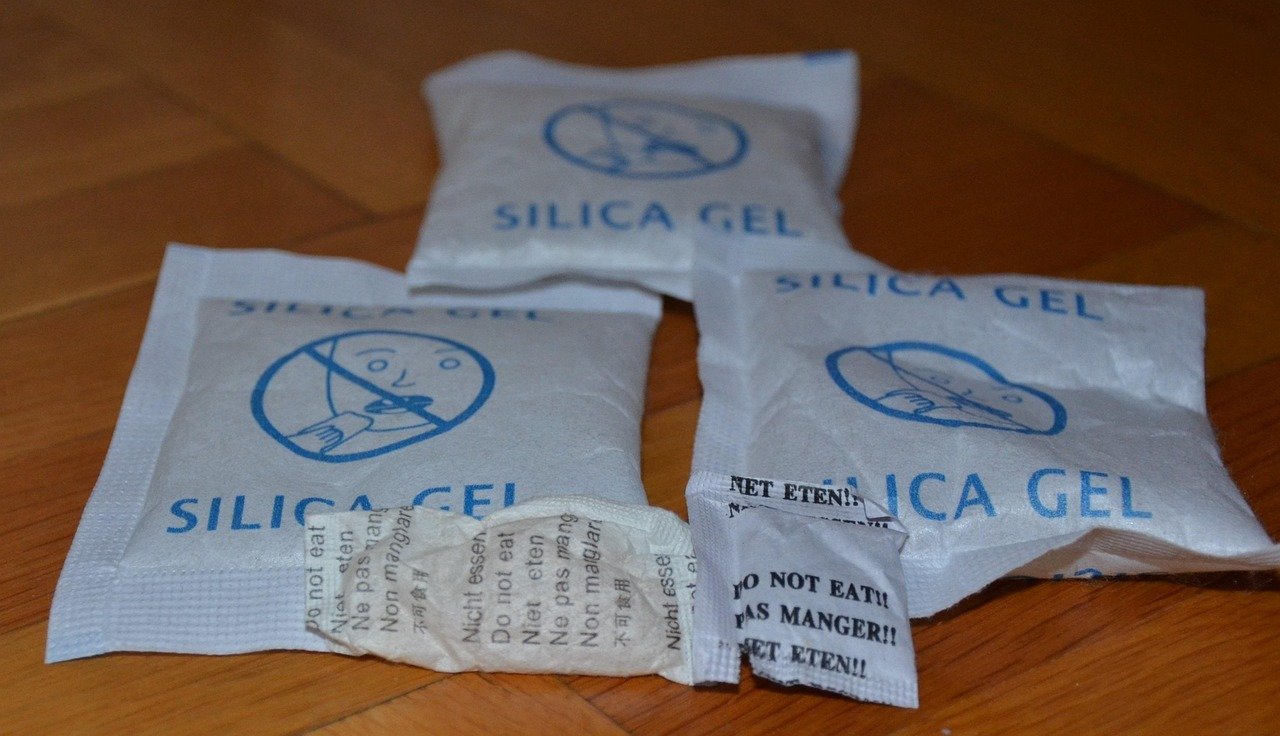
Yes, you can dry out a осушитель pack and use it again. When you reuse desiccant packs, you save money and help the planet by reducing waste. Desiccant works by soaking up moisture, so it’s smart to give it a second life instead of tossing it out.
Tip: Always check your desiccant pack before reusing it to make sure it still works!
Основные выводы
You can dry desiccant packs and use them again. This helps you save money and makes less trash. Reusing desiccant packs keeps things safe from water, rust, and tarnish. Look for signs that packs are full, like if they feel heavier or change color. This helps you know when to recharge them. The best way to dry packs is in the oven. Set your oven to 175°F. Check the packs every hour. Put dry packs in airtight containers. This keeps them dry and ready to use. Do not let packs get too hot. Follow the temperature rules so they do not get ruined. Keep desiccant packs away from food unless they say they are safe. Store them where kids and pets cannot reach them. Count how many times you recharge each pack. This helps you know when you need a new one.
Why Reuse Desiccant Packs
Benefits of Reusing
You may ask why it is good to reuse desiccant packs. Using them again helps keep your things safe from moisture. Important papers and electronics can stay dry and safe. Metal tools and jewelry will not get rusty or lose their shine. If you travel, your stuff can get wet after swimming or hiking. Putting a desiccant pack in your bag keeps your things dry. You can also use them in bathrooms and basements where it is damp.
Here are some reasons experts say to reuse desiccant packs:
They soak up water to protect papers and electronics.
They stop rust and tarnish on metal tools and jewelry.
They keep travel gear dry after swimming or hiking.
They help keep bathrooms and basements dry.
You get more use from each pack when you use it again. You also do not need to buy new ones all the time.
When to Recharge
It is important to know when your desiccant pack needs to be recharged. In humid places, it fills up with water faster. You can look for signs like a color change or if it feels heavier. Some packs have cards that change color when full. Indicating silica gel packs also change color as the maker says.
Вот quick guide to help you know when to recharge:
Метод | Описание |
|---|---|
Регулярная проверка | Look at the pack for signs it is full; color change means it needs to be replaced. |
Schedule Replacement | Make a plan to replace or recharge packs, especially in damp places. |
Humidity Data Loggers | Use tools to check humidity and see if the pack still works. |
Weight Inspection | Check if the pack feels heavier; if it does, it is full. |
Humidity Indicators | Use cards to watch humidity; color change means it is time to replace the pack. |
Индикаторный силикагель | Watch for color changes in silica gel as the maker suggests. |
If you watch for these signs, you can reuse your packs at the right time and make sure they work well.
Cost and Environmental Impact
Reusing desiccant packs helps you save money. You do not need to buy new ones every time. You also help the planet by making less trash. When you reuse packs, you lower greenhouse gases and use less water. You throw away less compared to single-use packs. Making new silica gel and clay desiccants costs a lot and they often end up in landfills. Every time you reuse a pack, you help stop waste.
Here is what happens when you reuse:
Greenhouse gases go down.
Less water is used.
Less trash is made.
Reusable packs become better for the planet after a few uses.
Each time you reuse, it helps the environment more.
Fewer packs end up in the dump.
Reusing desiccant packs is smart for your money and the earth.
Identifying Saturated Desiccant Packs

Признаки насыщения
Physical Changes
You can spot a saturated desiccant pack by looking for physical changes. Sometimes the pack feels heavier than when you first got it. If you touch the pack, it may feel damp or soft instead of dry and crisp. The outer pouch might look swollen or wrinkled. Some packs even get a little sticky. These signs tell you that the pack has soaked up a lot of water and needs attention.
Heavier weight
Damp or soft texture
Swollen or wrinkled pouch
Sticky surface
Tip: If your desiccant pack feels different than when you first used it, check for other signs of saturation.
Moisture Indicators
Many desiccant packs come with moisture indicators. These indicators make moisture control easy because you can see when the pack is full. Indicating silica gel packs use color-changing beads. When the beads are dry, they look blue. As they absorb water, they turn pink. This color change happens because of special chemicals like cobalt chloride or methyl violet. You don’t need to guess—just look at the color.
Blue indicating molecular sieve desiccants work in a similar way. When they reach saturation, the beads change from blue to beige. This shift happens because of an inorganic metal salt inside the beads. The color change gives you a clear signal that it’s time to recharge or replace the pack.
Note: Always check the color of your desiccant beads. If you see pink or beige, the pack is full and needs recharging.
When to Recharge for Best Results
You want your desiccant packs to work their best. Timing matters. If you wait too long, the pack can’t protect your things. If you recharge too soon, you waste energy. Here’s a simple table to help you decide when to recharge:
Condition/Indicator | Что вам следует сделать |
|---|---|
Check weekly | Look for color or weight changes |
Rigid pouch | Recharge right away |
Weight > 30% original | Recharge right away |
250°F for 6 hours | Removes most moisture |
250°F for 8 hours | Best for regular packs |
250°F for 12 hours | Needed for heavy packs |
If you check your packs every week, you catch problems early. Recharge packs when they feel heavy or show a color change. For best results, use an oven at 250°F. Six hours works for most packs. Eight hours is better for regular use. Heavy packs need up to twelve hours. This way, you keep your moisture control strong and your things safe.
Reminder: Regular checks and timely recharging help your desiccant packs last longer and work better.
How to Dry Desiccant Packs
Oven Drying
Temperature and Time
Oven drying is one of the best ways to bring your desiccant pack back to life. You can use this method at home with a regular oven. The temperature and time matter a lot. If you set the oven too high, you might damage the pack. If you set it too low, it will take longer to dry.
Here are some temperature and time settings you can try:
Bake silica gel packets at 150°F for 12–18 minutes.
Set your oven to 245°F and keep the desiccant bags inside for up to 24 hours.
Use a temperature between 80°C and 120°C (176°F–248°F) for as long as needed to dry the silica gel.
You can choose the setting that fits your schedule. Lower temperatures take longer but are safer for the pack.
Пошаговый процесс
You want to know how to reactivate silica gel and make your desiccant pack work like new. Follow these steps for oven drying:
Spread the silica beads in a thin layer on a baking sheet. This helps them dry evenly.
Place the baking sheet in the oven.
Bake the beads for 15 minutes. If the pack is very wet, you can leave it in longer.
Remove the beads from the oven. Let them cool down before you touch them.
Store the beads in an airtight bag or container, like a zip-close bag.
Tip: Reactivated desiccant packs can work just as well as new ones. If you dry them the right way, they keep soaking up moisture for many uses.
Microwave Drying
Safety and Timing
Microwave drying is fast, but you need to be careful. Microwaves heat things quickly, which can cause problems if you do not watch closely. You should always follow safety guidelines to avoid overheating or fire.
Here is a table with safety tips for microwave drying:
Safety Guideline | Описание |
|---|---|
Avoid Overheating | Overheating can cause fire or break down silica gel. Check packs often. |
Use in a Well-Ventilated Area | Prevent breathing in dust or particles. |
Keep Away from Children/Pets | Hot desiccants can burn. Keep them out of reach during and after drying. |
Microwave ovens work fast, but they can heat unevenly. You might see some beads get very hot while others stay cool. If you use a microwave, check the pack every minute. Stop if you smell burning or see smoke.
Popcorn Method
Some people use the “popcorn method” to dry silica gel in the microwave. You put the desiccant pack in a microwave-safe bowl. Set the microwave to medium power. Heat for one minute, then check the pack. If it is not dry, repeat in short bursts. Never leave the microwave unattended.
Note: Microwave drying can melt plastic or damage the pack if you use too much power. Oven drying is safer, but slower. If you use the microwave, go slow and check often.
Air Drying
When It Works
Air drying is the easiest method. You do not need special tools. You just leave the desiccant pack out in a dry, warm place. Sunlight or a breezy spot helps speed things up. This method works best if the pack is only a little damp.
You can use air drying if you do not need the pack right away. It is gentle and does not risk overheating.
Ограничения
Air drying takes a long time. If the air is humid, the pack may not dry at all. You cannot use this method for packs that are very wet. Air drying does not always restore the pack to full strength. If you want the pack to work like new, oven drying is better.
Reminder: Air drying is safe, but slow. Use it for lightly damp packs or when you have plenty of time.
Vacuum Oven Method
Vacuum ovens sound fancy, right? You might see them in science labs or big factories. They use low pressure and gentle heat to dry things out. This method pulls water out of your desiccant packs without using high temperatures.
Accessibility
Most people do not have a vacuum oven at home. You usually find these ovens in labs, schools, or some workplaces. If you work in a place with a vacuum oven, you can ask to use it. For most home users, this method is not easy to try. Buying a vacuum oven costs a lot of money. You also need to know how to use it safely.
Note: If you only have a few desiccant packs, you probably do not need a vacuum oven. Regular ovens or microwaves work well for most people.
Эффективность
Vacuum ovens dry desiccant packs by lowering the air pressure. This makes water leave the packs faster, even at lower heat. You do not risk burning or melting the packs. This method works, but it is not always better than using heat. Experts say vacuum drying works, but it is less efficient than heat drying. If you add a little fresh desiccant inside the oven, it can help a bit, but not much.
You might use a vacuum oven if you have a lot of packs or need to dry them gently. For most home uses, you will not see a big difference. Сушка в печи with heat is usually faster and easier.
Плюсы и минусы
You have a few ways to dry out your desiccant packs. Each method has good points and bad points. Let’s look at them side by side:
Метод | Pros | Cons |
|---|---|---|
Oven Drying | Removes lots of moisture, works for most packs, easy at home | Can damage packs if too hot, takes time |
Microwave Drying | Fast, easy for small packs, no special tools needed | Can heat unevenly, risk of melting or burning, less common |
Air Drying | Very safe, no tools needed, gentle on packs | Takes a long time, not as effective, may not fully dry |
Vacuum Oven | Gentle drying, no risk of burning, good for sensitive materials | Hard to access, expensive, less efficient than heat |
Here’s a quick list to help you choose:
Oven Drying: Best for most people. You get strong results and can do it at home.
Microwave Drying: Good if you need to work fast. Watch closely to avoid burning.
Air Drying: Use if you have time and only a little moisture to remove.
Vacuum Oven: Try if you have access and want gentle drying. Not needed for most home users.
Tip: Experts recommend oven drying for safe and effective results. Set your oven to 175°F, spread out the packs, and check them every hour. You will get dry, reusable desiccant packs without much hassle.
Now you know the strengths and weaknesses of each method. Pick the one that fits your needs and what you have at home!
Safety Tips for Reusing Desiccant Packs
Handling Safely
You want to keep things safe when you reuse desiccant packs. Most packs, like silica gel, are non-toxic if you use them the right way. Still, you should never mix them with food unless the label says it is safe. Small packets can be a choking hazard for kids and pets. Always store them out of reach. If someone swallows a pack, get medical help right away. Sometimes, handling powdery desiccants creates dust. Breathing in this dust can irritate your nose and throat. Use desiccant packs in a well-ventilated area. If you see a lot of dust, you might want to wear a mask.
Here are some quick safety tips:
Keep desiccant packs away from food unless marked safe.
Store packs out of reach of children and pets.
Seek medical help if anyone swallows a pack.
Use in a well-ventilated space to avoid dust.
Wear a mask if you notice dust while handling.
Tip: Always wash your hands after touching desiccant packs, especially if they break open.
Temperature Limits
You need to watch the temperature when you recharge desiccant packs. Heating them too much can ruin the pack or make it less effective. Силикагель can handle heat up to 300°F (149°C). You should heat it for about three hours or until the crystals turn blue. Never go above 325°F (163°C), or you might damage the pack. Clay desiccant is different. It can only handle up to 120°F (50°C). If you heat clay above this, it may release moisture instead of soaking it up.
Here’s a table to help you remember:
Тип влагопоглотителя | Maximum Temperature | Примечания |
|---|---|---|
Силикагель | 300°F (149°C) | Heat for 3 hours or until crystals turn blue. Don’t go above 325°F. |
Клей | 120°F (50°C) | Above this, clay may release moisture instead of absorbing it. |
Silica gel works best at room temperature, between 70°F and 90°F, and in high humidity. It can still work in cold or hot places, but it does not perform as well over 100°F. The pack keeps working until about 220°F (105°C), but you should stay below the maximum temperature for safety.
Распространенные ошибки
You might make mistakes when you try to reuse desiccant packs. Some people heat the packs too much and ruin them. Others forget to check for dust or broken packs. Sometimes, people put packs near food without checking if it is safe. You should avoid these mistakes to keep your things and yourself safe.
Here are common mistakes to watch for:
Overheating packs and damaging them.
Ignoring dust and breathing it in.
Leaving packs where kids or pets can reach them.
Mixing packs with food without checking safety labels.
Forgetting to recharge packs before they get too full.
Reminder: Always check the pack’s label and follow the instructions. Safe handling keeps your packs working and protects your family.
How Many Times to Reuse Desiccant Packs
Продолжительность жизни
You might wonder how many times you can reuse a desiccant pack before it stops working well. Most silica gel packs can handle several cycles of drying and recharging. You don’t have to toss them after just one use. If you take care of them, you can get a lot of life out of each pack.
Here’s what you can expect from typical silica gel packs:
Silica gel can usually be reused multiple times.
Most packs stay effective for about four to six cycles.
The number of times you can reuse a pack depends on how you treat it and where you use it.
If you recharge your packs carefully and store them right, you’ll get more cycles. When you notice the pack isn’t absorbing moisture like it used to, it’s probably time to replace it.
Tip: Keep track of how many times you recharge each pack. A simple tally mark on the bag helps you remember.
Когда следует заменять
You don’t want to rely on a desiccant pack that’s lost its power. If you see that your pack isn’t keeping things dry, it’s time for a new one. Sometimes the beads inside lose their color or stay saturated even after drying. If the pack feels heavy or never returns to its original texture, you should swap it out.
Here are some signs you need to replace your desiccant pack:
The pack doesn’t dry out after recharging.
The beads lose their color and don’t change back.
The pack feels heavy or sticky all the time.
You notice mold or a strange smell.
If you spot any of these problems, don’t risk your valuables. Replace the pack and keep your things safe.
Note: Old or damaged packs can’t protect your items. Fresh packs work best.
Factors Affecting Reuse
Not all desiccant packs last the same amount of time. Several things can change how long your pack stays useful. The type of material, the environment, and how you store and recharge the pack all play a part.
Here’s a table that shows what affects the lifespan of your desiccant packs:
Фактор | Описание |
|---|---|
Type of Desiccant Material | Different materials have varying moisture absorption capacities, affecting longevity. |
Условия окружающей среды | High humidity and extreme temperatures can lead to quicker saturation and reduced effectiveness. |
Упаковка | Proper packaging protects desiccants from moisture and extends their useful life. |
Usage Practices | Correct storage and regeneration techniques can prolong the lifespan of desiccant packs. |
If you use your packs in a humid place, they’ll fill up faster. If you store them in airtight containers, you’ll get more uses. Always follow the best practices for drying and storing your packs. This way, you’ll stretch their lifespan and save money.
Reminder: Treat your desiccant packs well, and they’ll keep working for you longer. If you notice any changes, check the pack and decide if it’s time for a recharge or replacement.
Storing Recharged Desiccant Packs
Best Storage Practices
You want your recharged desiccant packs to stay dry and ready for action. The way you store them makes a big difference. If you follow a few simple steps, you can keep your packs working longer.
Keep Desiccants Sealed: Always store your packs in airtight containers. This stops moisture from sneaking in.
Maintain a Controlled Environment: Pick a cool, dry spot for storage. Heat and humidity can fill your packs with water before you even use them.
Minimize Exposure During Handling: Only open the container when you need a pack. Reseal it right away to keep the rest dry.
Inspect Packaging for Damage: Look for tears or holes before you use a pack. Damaged packs won’t work as well.
First In, First Out Method: Use the oldest packs first. This keeps your stock fresh and prevents packs from sitting too long.
Consider Proper Packaging for Transit: If you ship packs, make sure they travel in sealed bags or boxes. Moisture can sneak in during shipping.
Tip: If you use a glass jar or a zip-close bag, you can see your packs and check for damage without opening the container.
Using Recharged Packs
You want your desiccant packs to do their job. Where you put them matters. If you use them the right way, you get the best moisture protection.
Place silica gel packets in airtight or sealed containers. This helps them soak up moisture faster.
Put packets near items that need protection, like electronics or metal tools. Don’t let them touch metal directly.
For boxes or bins with layers, spread the packets between the layers. This gives even moisture control.
Slip packets into shoe boxes, storage bins, or pockets in clothes. This stops mold and bad smells.
Use packets with important papers or documents. They keep your files crisp and dry.
Drop packets in toolboxes to keep tools from rusting.
Pack a few in your camera bag. They help stop fungus from growing on your gear.
Silica gel can be recharged by baking. Spread the packets or loose beads on a baking sheet and bake at 200°F to 250°F for 1 to 2 hours. If your silica gel changes color, watch for the color to shift back. That means your pack is ready to use again.
Keeping Packs Dry
You want your packs to stay dry until you need them. If you follow a few tricks, you can keep them fresh for longer.
Tip | Why It Helps |
|---|---|
Store in airtight containers | Stops moisture from getting in |
Use desiccant with desiccant | Add a fresh pack to the container |
Avoid humid rooms | Humidity fills packs with water |
Check packs often | Catch problems before they spread |
If you notice a pack feels damp or heavy, recharge it before using. Always keep your packs sealed until you need them. If you use these tips, your desiccant packs will stay dry and ready to protect your stuff.
Reminder: Dry packs work best. If you store them right, you save money and keep your things safe from moisture.
You can dry out desiccant packs and use them again. This saves you money and helps the planet by cutting down on waste. If you use desiccants near food, make sure they meet FDA or EFSA standards.
Reactivating packs at home is quick and easy.
Large batches may not be worth the effort.
Silica gel is usually safe, but always check for food-grade labels before using with food.
Try recharging your packs and see how much you can save!