



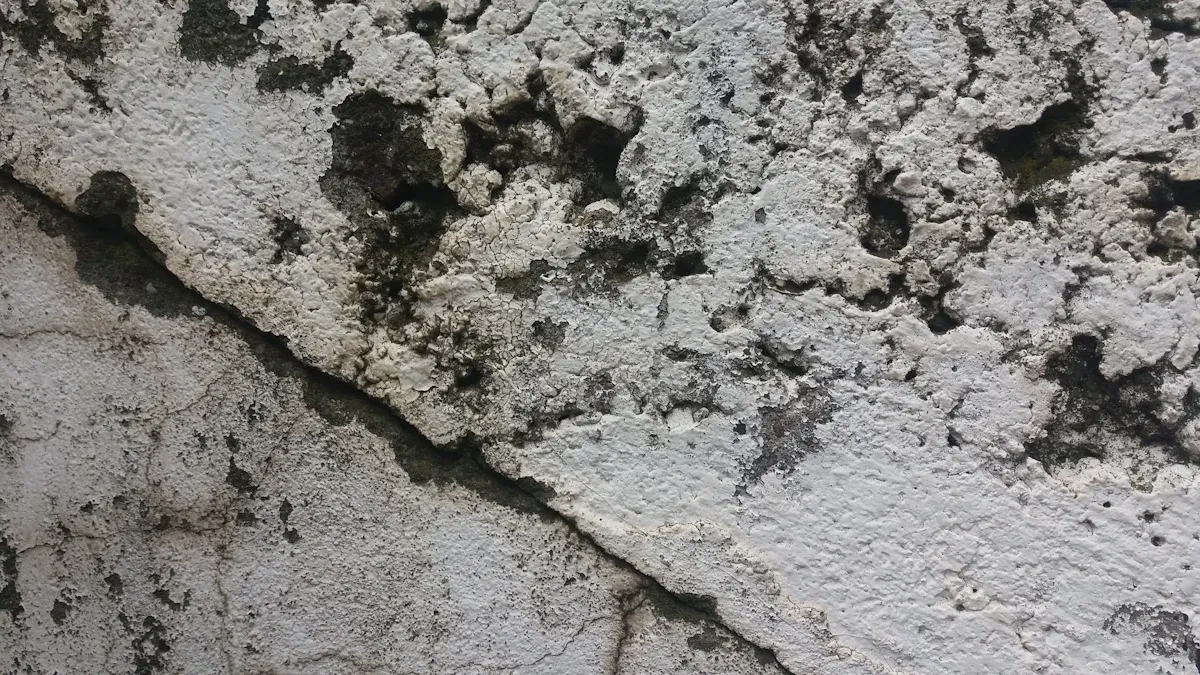
Yes, a 干燥剂 helps stop mold and mildew. It does this by lowering moisture in your room. Think about opening your closet and smelling something bad. Or you find wet spots in your bathroom. You may ask if there is an easy fix. Mold grows in homes when humidity is over 60%. Many homes in the U.S. have dampness or mold. This happens more in places with lots of rain. A desiccant absorbs moisture. It is a good way to keep your things dry and fresh.
主要收获
Desiccants soak up water. This helps stop mold and mildew at home.
Keep the air in your house less than 60% humid. This stops mold from growing well.
Mold often grows in bathrooms, kitchens, and basements. Check these places often.
Silica gel desiccant packets are safe. They work well to keep food and electronics dry.
Change desiccants when they look wet or change color. This keeps them working well.
Put desiccants in closed spaces like boxes or jars. This works best to fight mold.
Use desiccants with good airflow and clean often. This helps stop mold even more.
Watch for water in your home, like drops on windows. This helps you find mold problems early.
Mold and Moisture Basics
How Mold Grows
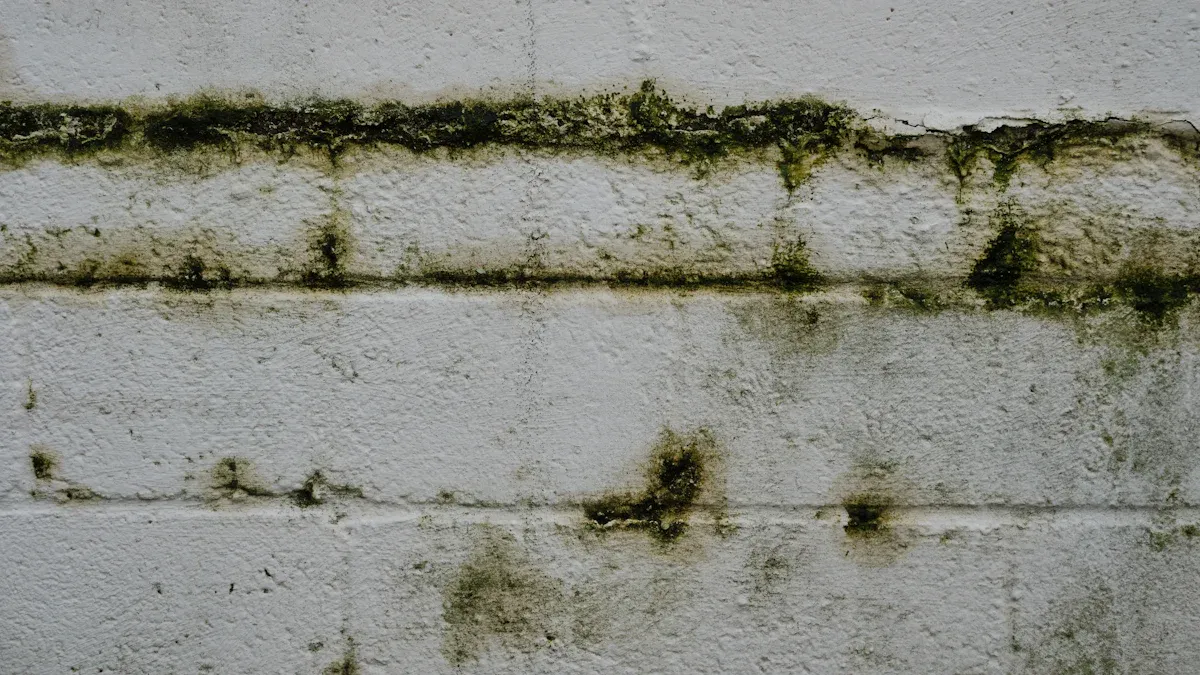
You might wonder why mold shows up in your home. Mold is a type of fungus. It loves places where it can spread and multiply. The main thing mold needs is moisture. When the air feels damp or wet, mold spores settle and start their growth. Most molds thrive at temperatures that feel comfortable to you. If the relative humidity in your home goes above 60%, mold can begin to grow. Mold growth speeds up when humidity stays high for a long time.
Here’s what mold needs for growth:
Moisture in the air or on surfaces
Warm temperatures, usually between 68°F and 77°F
A food source, like wood, paper, or even dust
If you keep these things in check, you can slow down mold growth.
Why Moisture Matters
Moisture is the biggest reason mold appears indoors. When you have a leaky roof or a dripping pipe, water collects and creates a perfect spot for mold. Even condensation on windows or walls can lead to mold growth. High humidity levels make it easy for mold spores to settle and multiply. If indoor humidity stays above 60%, mold finds it easy to grow.
小贴士 Try to keep your home’s relative humidity below 60%. Use a dehumidifier or open windows on dry days.
Moisture can come from many sources:
Leaky roofs or plumbing
Flooding or spills
Steam from showers or cooking
If you control moisture, you control mold growth.
Common Mold-Prone Areas
Some spots in your home are more likely to have mold problems. You might notice mold in the bathroom, basement, or kitchen. These areas often have more moisture than other rooms. If you live in a place with lots of rain or near the coast, your home may be at higher risk.
Here are places where mold likes to grow:
Bathrooms, especially around showers and sinks
Basements with poor ventilation
Kitchens, near sinks and under cabinets
Areas with water leaks or flooding
Older homes made with wood or plaster
If you check these areas often, you can catch mold growth early. Keeping these spaces dry helps prevent mold from spreading.
What Is a Desiccant?
You might find small packets in new shoes or food containers. These packets are called desiccants. They keep things dry by soaking up moisture from the air. If you want to stop mold, you should know how desiccants work and where to use them.
干燥剂的种类
Not every 干燥剂 works the same way. Some are better for certain places. Here is a table showing common types you might see at home:
干燥剂类型 | 属性 | 应用 |
|---|---|---|
蒙脱石粘土 | Found in nature, works below 120°F, costs less per pound. | Medicine, pharmacology |
硅胶干燥剂 | Soaks up moisture up to 220°F, safe for food. | Food, pharmaceuticals |
氯化钙 | Absorbs lots of water, turns it into liquid. | Shipping containers, wet places |
Activated Charcoal | Soaks up moisture, cleans air, removes bad smells. | Food, medical uses |
You probably see 硅胶干燥剂 packets most often. 硅胶干燥剂 is safe for food and works in many places. Montmorillonite clay is cheap and used in medicine. Calcium chloride is strong and works in very wet spots. Activated charcoal helps with smells and toxins.
How Desiccants Work
Desiccants pull water out of the air. You can think of them like tiny sponges. They do this in two ways:
Physical desiccation: The 干燥剂 soaks up water.
Chemical desiccation: The 干燥剂 reacts with water and traps it.
When water vapor touches a 干燥剂, the water sticks to its surface or fills tiny holes inside. 硅胶干燥剂 grabs water molecules and holds them in its pores. 硅胶干燥剂 is good at this because it has lots of tiny spaces. Most desiccants use physical adsorption, which means water sticks to their surface. 硅胶干燥剂 uses capillary condensation, so it can lower humidity in a closed space.
请注意: Some people think desiccants last forever or that more is always better. That is not true. 硅胶干燥剂 can only hold so much water before it stops working. You need to replace or recharge it.
Where Desiccants Are Used
您可以使用 desiccants in many places to 防霉. 硅胶干燥剂 packets are common in food packages, medicine bottles, and electronics. You might put them in storage boxes, closets, or camera bags. 硅胶干燥剂 helps keep snacks fresh and gadgets safe from moisture.
Here is a quick look at where desiccants help most:
行业 | Purpose of Desiccants |
|---|---|
Textiles and Fabrics | Stop mold and damage during shipping by soaking up moisture. |
Food, FMCG, and Agricultural | Protect food from mold, spoilage, and bugs by controlling moisture. |
Handicrafts and Art Items | Keep delicate items safe and good by controlling moisture. |
Cosmetics and Pharmaceuticals | Stop damage to sensitive ingredients in personal care and medical products. |
您可以使用 硅胶干燥剂 at home, too. Try putting packets in your closet, bathroom, or pantry. 硅胶干燥剂 is easy to find and safe for most uses. If you want to keep things dry and mold-free, 硅胶干燥剂 是一个明智的选择。
How Desiccants Prevent Mold and Mildew
Moisture Absorption Process
You want your home to stay dry and fresh. A desiccant helps by taking extra water from the air. Desiccants act like moisture catchers. They grab water before it lands on things and causes mold or mildew. If you put silica gel desiccant in a closed space, it starts working fast. Silica crystals have tiny holes that trap water. This lowers humidity and makes it hard for mold and mildew to grow.
You might ask what humidity is safe. The Environmental Protection Agency says keep humidity between 30% and 60%. This helps stop mold and mildew. If humidity is higher, mold grows quickly. Silica gel desiccant packets are great for stopping mold because they keep humidity low. You can use them in boxes, jars, or sealed containers.
If you keep moisture low, you stop mold and mildew. Using silica gel packets is an easy way to keep things dry.
Silica Gel Desiccant Packets in Action
You find silica gel desiccant packets in food packages, medicine bottles, and shoe boxes. These packets work to stop mold and mildew. Silica gel is a desiccant that absorbs lots of moisture. The crystals inside each packet have many tiny holes. These holes grab water vapor and hold it. By keeping air dry inside packages, silica gel desiccant packets stop mold, mildew, and bacteria.
Here’s how silica gel desiccant packets help:
They protect snacks and dry foods from mold and mildew.
They keep vitamins and pills safe from moisture.
They stop electronics from getting ruined by water vapor.
They help you store papers and photos without worry.
If you want to stop mold and mildew in storage containers, use silica gel packets. You can put silica gel desiccant in jars, camera bags, or with shoes. Silica gel desiccant is safe, simple to use, and works in many places.
Effectiveness in Sealed Spaces
Desiccants work best in closed spaces. When you close a box or container, you trap the air inside. Silica gel desiccant packets lower humidity in that space. Mold and mildew need moisture to grow. If you take away moisture, you stop them.
Studies show desiccants in sealed spaces help a lot. For example, researchers found special air systems with liquid desiccants and ultrasound could remove over 90% of moisture and mold spores. The table below shows how well these systems work:
方面 | 调查结果 |
|---|---|
System | Airborne ultrasound-assisted liquid desiccant air-conditioning (US-LDAC) |
Mold Species | Aspergillus niger |
Disinfection Efficiency Increase | 50% with ultrasound |
Dehumidification Rate Improvement | Over 90% |
机制 | Ultrasonic cavitation breaks spores |
Air Conditions | Works better in humid air and with weak desiccant solutions |
Mold Aerosol Removal | Good for aerosols sized 2.1–3.3 μm |
You do not need fancy machines at home. Just use silica gel desiccant packets in closed boxes, jars, or bags. You will see less mold and mildew. Silica gel desiccant is great for stopping mold in places where you keep food, clothes, or electronics. If you want to keep things safe, control moisture and use desiccants when you can.
Tip: Always check your silica gel desiccant packets. If they look wet or change color, get new ones to keep moisture low.
Using Desiccants to Prevent Bathroom Mold
Placement Tips for Bathrooms
You want your bathroom to smell nice and look clean. Water builds up quickly, especially after you shower. To stop bathroom mold, you should know where to put desiccants. Put silica gel packets in corners where water stays. You can place them near the shower or tub to catch steam. Bathroom cabinets hold moisture, so put packets inside to keep things dry.
Here are some good places for packets:
Put silica gel packets in damp corners.
Place them close to the shower or tub for steam.
Store packets inside cabinets to protect towels and toiletries.
Tip: Check these spots every week. If packets look wet or faded, change them for new ones.
选择合适的干燥剂
Not all desiccants work the same in bathrooms. To stop bathroom mold, pick the right kind. Silica gel works well at room temperature and high humidity. You see it in food and medicine packages. Indicating silica gel changes color when full of water, so you know when to replace it. Montmorillonite clay is cheap and safe, but works best below 120°F. Molecular sieves are strong and handle heat, but don’t use them near food. Calcium oxide and calcium sulfate help in low humidity, but don’t soak up much water.
Here’s a table to help you choose:
干燥剂类型 | Best Use in Bathroom | Special Features |
|---|---|---|
硅胶 | General moisture control | FDA approved, works in humidity |
指示硅胶 | Easy monitoring | Changes color when saturated |
蒙脱石粘土 | Medicine cabinets | Least expensive |
分子筛 | High temperature spots | Strong adsorbent |
Calcium Oxide/Sulfate | Low humidity areas | Limited moisture capacity |
If you want to check packets easily, use indicating silica gel. For most bathrooms, regular silica gel packets work well.
Safety and Maintenance
Safety is important when you use desiccants in your bathroom. Some types, like calcium chloride, can bother your eyes or skin. Always wear gloves if you touch loose desiccant. If you use calcium chloride, keep it away from your face and wear a mask so you don’t breathe in dust. Store all desiccants in closed containers and keep them away from kids and pets.
If you get desiccant in your eyes, rinse with water for 15 minutes. If it touches your skin, wash with soap and water. If you breathe in dust, go outside for fresh air. Always use desiccants in a bathroom with good airflow. Try not to make dust when you refill or change packets. Throw away old desiccants the way your town says.
Note: Check your packets often. Replace them if they look wet or change color. This helps stop bathroom mold and keeps your bathroom safe.
有效性和局限性
When Desiccants Work Best
You want to keep your home safe from mold. Desiccants work best in small, closed spaces. You can put a packet in a box or drawer. It grabs extra water before mold can grow. Silica gel and clay desiccants have tiny holes that trap water. Clay desiccants work well from 32°F to 120°F. Silica gel works best from 70°F to 90°F when it is humid. Calcium chloride absorbs lots of water, but you must check it often. Molecular sieves work fast and do well above 40% humidity.
Here is a table that shows how desiccants work:
Type of Desiccant | 吸湿能力 | Effective Temperature Range | Best Performance Conditions |
|---|---|---|---|
粘土干燥剂 | Up to 30% of its weight | 32°F to 120°F | Around 77°F |
硅胶 | Up to 40% of its weight | Up to 120°F | 70°F to 90°F, high humidity |
氯化钙 | Up to 200% of its weight | -4°F to 194°F | Needs monitoring |
分子筛 | Up to 21% of its weight | Up to 300°F | Above 40% RH |
If you pick the right desiccant, you stop mold early. You keep your things safe from water damage. Everything stays dry and fresh.
Limitations in Open or Large Spaces
Desiccants do not work everywhere. You may see packets fail in big rooms. In large spaces, water moves around too much. Desiccants cannot keep up with all the moisture. High humidity makes packets even less helpful. You need more than packets to stop mold in these places.
Desiccants work best in small, closed spaces.
They lose power in big rooms or open areas.
High humidity makes them weaker.
You need extra help for large spaces.
Big rooms need special systems to stay dry. These systems keep air safe and dry. They protect your home and things from water damage. If you want to stop mold in a basement or warehouse, use a dehumidifier or a fan system.
Combining with Other Mold Prevention Methods
You get better results if you use desiccants with other tools. Desiccant dehumidifiers pull water from the air. They keep humidity low. Good airflow makes it even harder for mold to grow. Dehumidifiers work well in rooms with lots of moisture. They do not clean up old mold, but they stop new mold from growing.
Desiccant dehumidifiers work well in cool rooms. Regular dehumidifiers do not work as well in cold places. You can use fans or open windows to move air. This helps control moisture and stops mildew. In places like cleanrooms or medicine factories, desiccant dehumidifiers keep humidity very low. They save energy and cost less to run than other systems.
Tip: Put desiccants in closed containers. Use a dehumidifier for big rooms. Keep air moving with fans or open windows. You will keep your home safe from water damage and stop mold and mildew.
Comparing Silica Gel and Other Desiccants
Silica Gel vs. Other Types
You may wonder how silica gel compares to other desiccants. Silica gel desiccant has tiny holes that catch water. This helps keep things dry in small spaces. Clay desiccants work almost the same way, but they hold less water. Mineral desiccants and gel types, like calcium chloride, soak up even more moisture.
Here’s a simple look at how much water each type can take in:
Silica gel desiccant and clay desiccants hold about 30% of their weight 在水中。.
Mineral desiccants can grab between 50% and 70% of their weight.
Gel desiccants, such as calcium chloride, can take in over 300% of their weight.
Silica has tiny pores from 3 to 60 angstroms. These pores let it adsorb up to 40% 的重量 在水中。.
You find silica gel desiccant in food packages, medicine bottles, and electronics. Clay and mineral desiccants are used for shipping and storage. Gel desiccants work best in places with lots of moisture.
Pros and Cons
Picking the right desiccant depends on what you need. Silica gel desiccant has strong points, but other types have their own good sides.
方面 | 硅胶干燥剂 | Other Desiccants |
|---|---|---|
吸附机制 | Moisture sticks to surface | Absorbs moisture, can saturate quickly |
Traps up to 40% of its weight | Varies, some absorb more in high humidity | |
热稳定性 | Works up to 120°F | Clay breaks down at high temperatures |
Humidity Performance | Good in 60-90% relative humidity | Molecular sieves work better in very dry air |
Chemical Reactivity | Safe for many materials | Some may react with sensitive items |
Saturation Speed | Fills up faster in very humid air | Clay or molecular sieves may last longer |
硅胶干燥剂 gives strong moisture control. It works well in homes and is safe for food and medicine. Clay desiccants are cheap and natural. Gel desiccants, like calcium chloride, handle lots of water but need careful use.
People say silica gel and activated clay do a great job stopping mold and moisture damage. Many like clay because it feels natural and is good for the environment.
Cost and Availability
You want a desiccant that fits your budget and is easy to buy. Silica gel desiccant costs a little more than clay, but you can find it almost anywhere. Clay desiccants save money and are easy to get. Molecular sieves cost more and are found in special stores.
干燥剂类型 | Cost Effectiveness | Availability |
|---|---|---|
硅胶干燥剂 | 中度 | |
粘土 | 经济实惠 | Easy to Find |
分子筛 | Higher Cost | Specialty Stores |
Silica gel desiccant meets FDA rules for food and medicine. You can trust it to keep snacks and pills safe. Clay and synthetic zeolites also meet safety rules for food contact. If you need a desiccant for your pantry, closet, or bathroom, silica gel desiccant is a smart choice.
Practical Mold Prevention Tips
Regular Checks and Replacement
You want your home to stay dry and safe. Checking your desiccants often helps you catch problems before mold starts. If you live in a humid area, you may need to replace desiccants more often. Silica gel packets usually last several months, but high humidity can shorten their life. Watch for changes in your home’s humidity. If you see condensation or feel dampness, check your desiccant packets right away.
Change desiccants based on your environment and the type you use.
Look for signs of saturation, like color changes or clumping.
Replace packets every few months, or sooner if your space feels damp.
In bathrooms or basements, swap out desiccants more often.
小贴士 Proper ventilation helps push out humid air and bring in drier air. Open windows or use fans to keep moisture levels low.
When you throw away used desiccants, remember that many packets are not biodegradable. If you toss them in the trash, they can add to landfill waste and sometimes release chemicals into the soil and water. Try to recycle or reuse packets when possible.
Additional Steps to Prevent Mold
Desiccants work best when you use them with other mold prevention tricks. You can lower your risk by keeping water out and air moving. Here are some easy steps you can take:
Shut off water supply lines if you leave home for a long time.
Clean gutters and make sure sump pumps work to avoid water buildup.
Change air filters to help control humidity and keep air fresh.
Use moisture control products in places that get damp, like basements or laundry rooms.
You can also wipe down wet surfaces and fix leaks right away. If you see water stains or smell something musty, act fast. Mold grows quickly when it finds moisture.
Note: Combining desiccants with good home care gives you the best chance to keep mold away.
Signs of Ineffective Desiccants
You need to know when your desiccants stop working. If you miss the signs, mold can sneak in and cause trouble. Watch for these clues:
Discoloration: If your packet changes color, like turning from white to dark, it means it’s full of water.
Clumping or Hardening: Desiccants should feel loose and dry. If they clump or harden, they can’t absorb more moisture.
Damaged Packaging: If the packet looks torn or broken, it won’t work well, even if the inside looks fine.
If you spot any of these signs, replace your desiccant right away. Keeping fresh packets in your home helps you stay ahead of mold and mildew.
🕵️♂️ Quick check: Look at your packets every month. If you see any problems, swap them out for new ones.
By following these tips, you can keep your home dry, fresh, and free from mold. Regular checks, smart replacements, and extra steps make a big difference.
You can keep mold and mildew away with desiccants. Silica gel packets help lower humidity a lot. They keep things dry in closed spaces. You can protect food, electronics, and medicine from water damage. Silica gel is safe to use and you can use it again. Here are some easy tips:
Put silica gel packets inside storage bins.
Use charcoal in a cloth for natural moisture control.
Place baking soda in a container with holes.
Keep your home dry and smelling good. Use desiccants and let air move for the best results.