



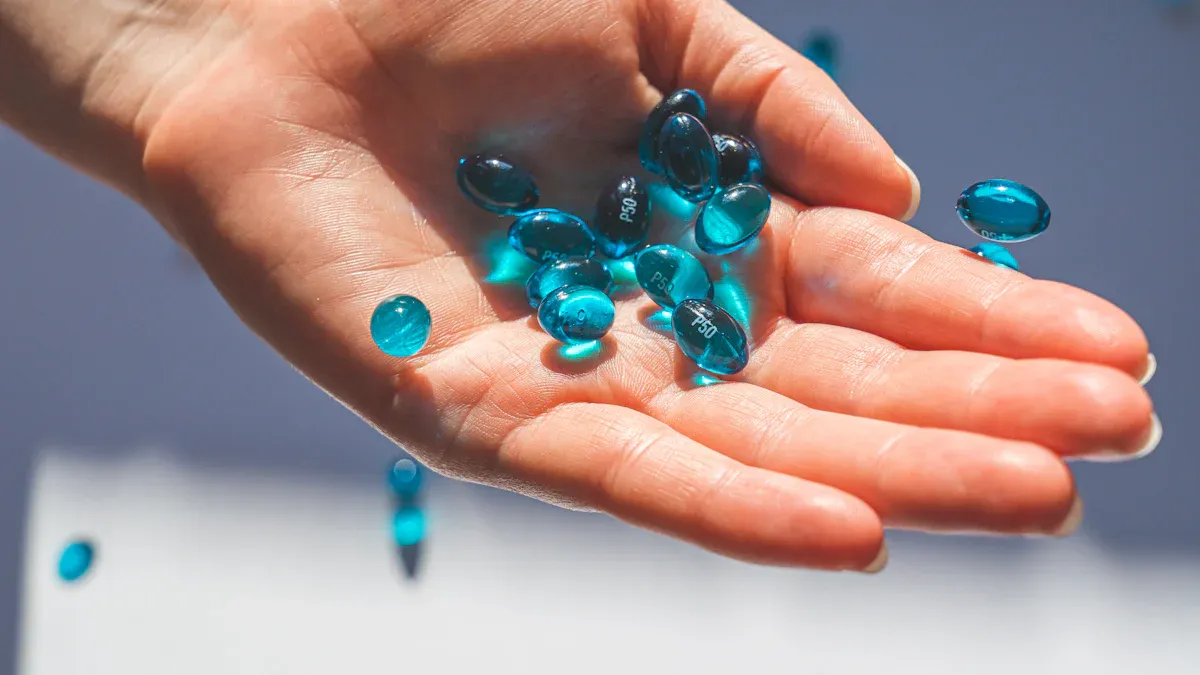
你或许会想知道是否 干燥剂 poses a risk to your health. Silica gel, the most common Desiccant, is generally non-toxic. The main danger comes from the choking hazard it presents, especially for children and pets. You should always keep desiccant packets out of reach to prevent accidental swallowing. Labels like “Do not eat” warn you to avoid this risk.
主要收获
Silica gel is not poisonous but can cause choking. This is risky for kids and pets.
Always keep desiccant packets away from children and pets. This stops them from eating it by mistake.
Check labels before using. Some silica gel packets have dangerous chemicals like cobalt chloride.
Silica gel takes in water well. It is safe to use in food and medicine packages.
If someone eats silica gel, do not make them throw up. Rinse their mouth and get medical help if they feel sick.
Teach kids why desiccant packets are dangerous. This helps stop accidents.
Throw away used desiccant packets the right way. This keeps pets and kids safe.
Keep desiccants in a cool, dry spot. Do not put them near food or pets. This helps keep everyone safe.
What is desiccant?
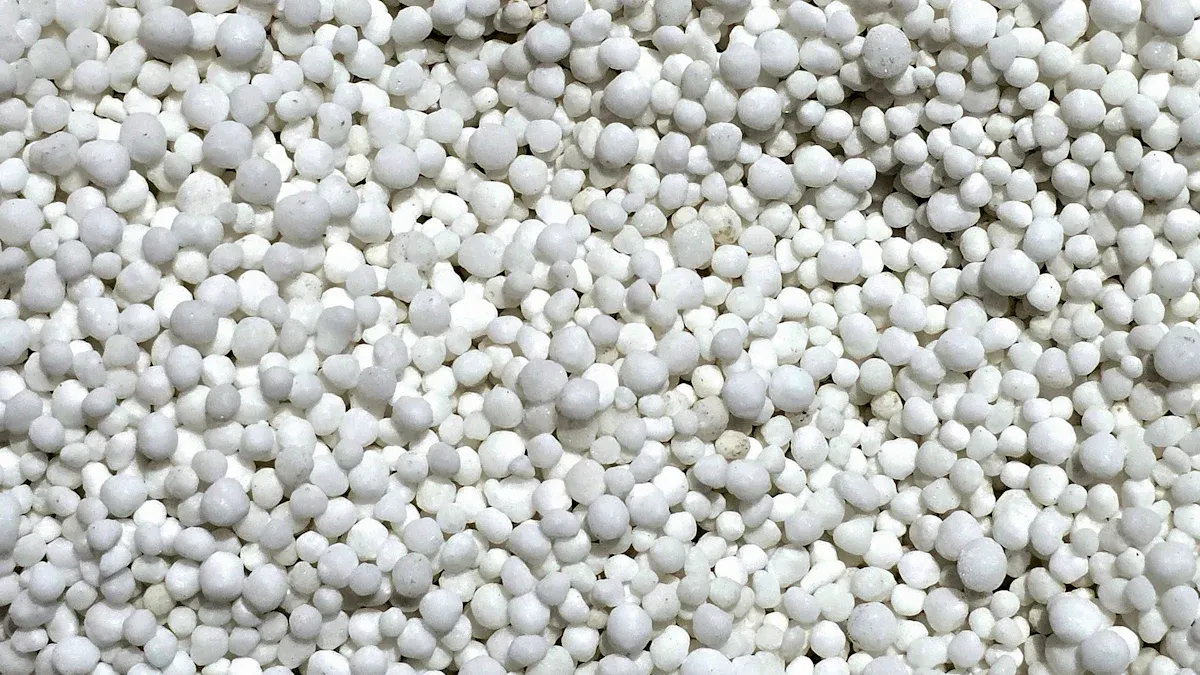
You see small packets in boxes and bottles. These packets say “Do not eat.” They have desiccant inside. Desiccant absorbs water from the air. It helps keep things dry. People use desiccants to stop water damage. Desiccants protect products from getting wet.
Types of desiccant
有 different kinds of desiccant. Each kind works best in certain places.
硅胶
Silica gel is the most used desiccant. You find silica gel in food, medicine, and electronics. Silica gel takes in water vapor. It keeps things dry. Silica gel is safe and not toxic. You can use it near food. Some silica gel packets change color. The color shows when you need a new packet.
粘土
Clay desiccants also soak up water. You see clay in big storage places. Clay works well in cool rooms. It does not work well when it is hot. Clay is used for clothes and some packed goods.
氯化钙
Calcium chloride is another desiccant. It absorbs more water than silica gel or clay. You find calcium chloride in shipping and factories. It is good for big spaces and wet places. It is not used in food packaging.
Uses of desiccant
Desiccants help keep things fresh and safe. The table below shows how different industries use desiccants.
行业 | Uses of Desiccants |
|---|---|
餐饮 | Keeps items fresh, extends shelf life, stops germs, keeps flavor. |
药品 | Keeps medicine dry, keeps it strong during shipping. |
电子产品 | Keeps parts dry, protects from wet air. |
纺织品 | Controls water during storage and shipping. |
汽车 | Keeps car parts dry in storage. |
You see silica gel most in food packages. Silica gel is cheap and works well. It does not hurt food. Clay is not used much in food but is used for other things. Calcium chloride is strong but not safe for food.
Tip: Always read the label on silica gel packets. Some packets have colors or chemicals for factories. Do not use these near food.
Silica gel protects snacks, vitamins, and electronics. Clay is used in warehouses and for clothes. Calcium chloride is used in shipping and big storage. Each desiccant keeps things safe from water.
Is silica gel toxic?
Non-toxic properties
You might ask if silica gel is harmful. The answer is no. Silica gel is safe for most things. Scientists checked what happens if people eat silica gel. They found it almost never hurts anyone. Most people who swallow silica gel do not get sick. Doctors looked at 546 cases of people eating silica gel. Only a few had mild problems. Most cases were in kids younger than six. The study showed silica gel almost never causes poisoning.
Here is a table that shows what scientists learned about silica gel safety:
方面 | 详细信息 |
|---|---|
Background | People often touch silica gel. It is not toxic. There is not much data. |
Objectives | Scientists wanted to know what happens if people eat silica gel. They also checked health costs. |
方法 | Doctors looked back at records from a poison center. |
Results | There were 546 cases. That was 2.1% of calls each year. Most cases were kids under 6. Only 2.7% had symptoms. |
Conclusions | Eating silica gel happens a lot. It rarely causes problems. Many people go to the doctor when they do not need to. |
Silica gel works well because it has lots of tiny holes. It can soak up 40% 的重量 in water vapor. This helps keep things dry. Silica gel is safe, does not rust, and is good for food and medicine. You can use it again by heating it to dry it out.
Choking hazard
Silica gel is safe, but it can still be risky. The biggest danger is choking. Silica gel packets are small and easy to swallow. Kids might think they are candy or toys. Pets might eat them because they smell like food. If someone swallows a packet, it can block their throat and cause choking.
Silica gel packets say ‘Do not eat’ because of choking.
Kids might think silica gel packets are food or toys and eat them.
Pets might eat silica gel packets because they smell like food.
You should always keep silica gel packets away from kids and pets. Choking is a real risk, even though silica gel is not poisonous.
Why “Do not eat” labels exist
You see “Do not eat” warnings on every silica gel packet. These warnings are not because silica gel is poison. The main reason is to stop choking and swallowing by accident. The FDA and other groups make companies put these warnings on packets to keep you safe.
Here is a table that explains why these warnings matter:
Reason for Warning | 说明 |
|---|---|
Choking Hazard | Packets can block your throat if you swallow them whole or if pellets get stuck. |
Regulatory Requirement | "(《世界人权宣言》) FDA says packets must have “Do Not Eat” labels, especially for food and medicine. |
Not a Poison Risk | The warning is for choking, not for poison. |
Note: Always check that the “Do Not Eat” warning is easy to see. Some packets have the warning in more than one language. Make sure you can find the English warning.
You might wonder if silica gel is toxic. The answer is no. Eating silica gel does not poison you. The real danger is choking. Always follow the warnings on the packet. Keep silica gel away from kids and pets to stay safe.
Desiccant silica gel and added chemicals
当你看到 silica gel packets, you might see colored beads. These colors show when the packet has taken in too much water. The packet needs to be replaced then. Makers add chemicals to make these color changes happen. Some chemicals can make the packet unsafe to eat.
Color indicators and toxicity
You often see blue, orange, or green beads in silica gel. These colors come from chemicals that show moisture. The table below lists common chemicals and if they are safe:
化学 | 目的 | Toxicity Implications |
|---|---|---|
Cobalt Chloride | Color indicator for moisture | Known carcinogen; ingestion poses health risks |
Methyl Violet | Alternative color indicator | Generally considered non-toxic |
Food-grade Dyes | Alternative color indicator | Non-toxic and safe for consumption |
Some color indicators, like cobalt chloride, turn blue when dry. They turn pink when wet. Cobalt chloride is a toxic chemical. Eating it can hurt your health. Other indicators, like methyl violet or food dyes, are safer. Food-grade dyes do not make silica gel dangerous.
Cobalt chloride risks
Cobalt chloride can cause serious health problems. Watch out for packets with blue beads. These often have cobalt chloride. Here are some risks to know:
Eating or touching it for a long time can harm you.
It can also hurt your ability to have children.
If you see warnings about cobalt chloride, keep it away from food. Do not let kids or pets touch it. Always check the label before using silica gel near food.
Industrial vs. food-grade silica gel
There are two main types of silica gel. One is for machines and shipping. This is called industrial-grade. It is not safe for food. The other is food-grade silica gel. It is made for food packages. Food-grade silica gel is safe and keeps snacks fresh.
Different countries have rules for food-grade silica gel. The table below shows how the United States and Europe make rules:
Country | Regulatory Agency | Key Regulation Details |
|---|---|---|
United States | Food and Drug Administration (FDA) | Silica gel is safe for food packaging if it meets rules. |
European Union | European Food Safety Authority (EFSA) | Silica gel must follow EU rules and not get into food. |
Always use food-grade silica gel for food. Industrial-grade silica gel may have unsafe chemicals. Always read the warnings on the packet. This helps you avoid toxic chemicals and keeps your home safe.
Silica gel poisoning: Myth vs. reality
Some people think eating silica gel is very dangerous. Many believe it will make you very sick. But silica gel is just a special kind of sand. It is made from silicon dioxide. It does not work like a poison. If you eat a little, you do not need to worry. The warnings on the packets are about choking, not poison. Most people who eat silica gel do not get sick. It usually passes through your body without problems.
Symptoms of ingestion
You might wonder what happens if you eat silica gel. Most people feel fine after eating it. Silica gel is not poisonous. The real danger is choking on the packet. Some packets have color beads that can cause mild problems. If you eat silica gel, you might notice:
No problems at all
A little stomach pain
Sometimes, you might feel sick or throw up
Doctors say diarrhea is not common. Watch for choking, especially in kids. If someone has trouble breathing or keeps coughing, get help right away.
When to seek medical help
You should know when to get help after eating silica gel. Most people do not need to go to the hospital. If you swallow a packet, rinse your mouth and drink water or milk. If you keep feeling sick, call poison control. Do not try to make yourself throw up. The table below shows what to do in each case:
情况 | Recommended Action |
|---|---|
Eye Exposure | Wash eyes with warm water, use a gentle stream, or rinse in the shower. |
摄入 | Rinse mouth, drink water or milk, and call Poison Control if you swallow the whole packet. |
Symptoms Persist | Do not make yourself vomit; call Poison Control if you still feel sick after first aid. |
Tip: If you keep having diarrhea or vomiting, call poison control for help. Go to the doctor if you see choking or serious problems.
Risks for pets
You might worry if your dog eats silica gel. Dogs sometimes chew on packets from food or medicine. Silica gel is usually safe for dogs and other pets. Most dogs only have mild problems like throwing up or diarrhea. Some dogs may not want to eat for a while. Serious problems are not common. The biggest risk is a blockage if a dog eats a big packet. Watch for these signs in dogs:
Throwing up
Diarrhea
Not wanting to eat
The table below explains the risks for dogs and pets:
Symptoms/Risks | 说明 |
|---|---|
Includes throwing up and diarrhea, depending on how much was eaten. | |
Intestinal obstruction | Can happen if a dog eats a lot, but it is rare. |
Nontoxicity | Silica gel is usually safe, and serious problems are not common. |
If your dog keeps throwing up or has diarrhea, call your vet. You can also call poison control for advice. Go to the vet right away if your dog is choking or cannot breathe.
Note: Keep silica gel packets away from pets to keep them safe. Dogs like to eat things they find on the ground.
You do not need to worry much about silica gel poisoning. The real danger is choking or a blockage, which is rare. Get help if you see bad symptoms, diarrhea that will not stop, or trouble breathing. Always keep silica gel away from kids and pets to keep everyone safe.
What to do if exposed to desiccant
Accidental exposure to desiccant packets can happen in any home. You might worry if you or someone you care about swallows or touches a packet. Knowing what to do helps you stay calm and act quickly.
Ingestion steps
If you or your child swallows a desiccant packet, you should follow these steps:
Check for choking. Look for signs like coughing, trouble breathing, or gagging. If you see any of these, call for emergency help right away.
Do not induce vomiting. You should not try to make yourself or your child throw up. Most silica gel is non-toxic, but the packet can block the throat.
Give a few sips of water. This helps clear the mouth and throat. It also reassures the person who swallowed the packet.
Contact poison control. If you are unsure about the type of 硅胶, especially if it is colored, call the Missouri Poison Center at 1-800-222-1222 or your local poison control center.
Monitor for symptoms. Watch for stomach pain, vomiting, or unusual behavior. Most people feel fine after swallowing silica gel, but you should stay alert.
Seek medical help. If symptoms like persistent vomiting, abdominal pain, or choking occur, go to the doctor. If blue silica gel was swallowed, get medical advice because it may contain toxic chemicals.
Tip: Stay calm and reassure the person who swallowed the packet. Most cases do not cause serious problems.
Eye or skin contact
Sometimes, you might get desiccant dust or beads in your eyes or on your skin. You should act quickly to avoid irritation.
For eye contact: Rinse your eyes with warm water for several minutes. Use a gentle stream or stand under a shower if needed. If your eyes feel irritated after rinsing, call your doctor.
For skin contact: Wash the area with soap and water. Silica gel does not usually cause skin problems, but you should clean your skin to remove any dust or chemicals.
Watch for redness or itching. If you notice these symptoms, seek medical advice.
Note: Most silica gel is safe for skin and eyes, but colored beads may contain chemicals that cause irritation.
Preventing accidents
You can lower the risk of accidental exposure by following simple safety steps at home. These steps protect children, pets, and even dogs from harm.
Teach everyone in your home about the dangers of desiccant packets. Children should know not to touch or eat them.
Store silica gel packets away from food, medicine, and places where dogs or other pets can reach them.
Dispose of used packets in a sealed trash bin. This keeps curious pets and children safe.
Look for products with clear warning labels and child-resistant packaging. Manufacturers are working to make packets safer for families.
Ask for safer packaging when you buy products. Many companies now offer solutions that protect children and dogs from accidental exposure.
安全提示 | 为何重要 |
|---|---|
Teach children and adults | Prevents accidental ingestion |
Safe storage | Keeps packets away from pets and dogs |
Proper disposal | Reduces risk of exposure |
Child-resistant packaging | Makes it harder for kids and dogs to open |
Reminder: Increased awareness helps keep your home safe. You can help by sharing safety tips with friends and family.
Dogs often find packets on the floor or in bags. You should always check your home for loose packets and remove them. If your dog eats a packet, watch for signs like vomiting or loss of appetite. Call your vet if you notice any problems.
Safety tips for desiccant
Storage advice
You should keep desiccant packets in a safe spot. Pick a place that is dry and cool. Do not put them where it is wet or sunny. Keep packets in their own package or a closed box. This stops water from getting inside. It also helps keep people and pets safe.
Here are some good ways to store desiccant:
Put packets on high shelves or in locked cabinets.
Use boxes with tight lids to keep out water.
Do not store near food or drinks.
Keep away from places where dogs can reach.
Never leave packets loose on tables or floors.
Tip: Wash your hands after you touch desiccant packets. This helps stop your eyes or mouth from getting irritated.
Keeping away from children and pets
Desiccant packets may look safe, but they can be dangerous for kids and pets. Small packets can make someone choke. Some chemicals inside can upset the stomach if eaten. Dogs like to chew things they find, so you must be careful.
The table below shows what experts say about keeping desiccant away from kids and pets:
资料来源 | 证据 |
|---|---|
Safety and Health Magazine | Desiccant packets can make kids choke and may upset pets’ stomachs if eaten. |
Skilled Survival | Keep desiccants away from kids and pets to stop accidents. |
Benchmark Inc. | Keep silica gel packets away from kids and pets and call a doctor if swallowed. |
Micropak Distribution | Handle desiccants carefully and keep them away from kids and pets. |
Beyond Pesticides | Keep desiccant dusts away from kids and use them in safe places. |
You can keep your family safe by doing these things:
Teach kids not to play with or eat small packets.
Watch dogs closely, especially if they chew things.
Store packets where pets cannot get them.
Check bags and boxes for loose packets before leaving them on the floor.
Note: If a child or dog eats a packet, call your doctor or vet right away.
Disposal methods
Throwing away used or old desiccant packets the right way keeps your home safe and helps nature. Most kinds are safe to put in the trash if they are clean. Some types, like calcium oxide, need special care.
Follow these steps to throw away desiccant safely:
Put clean silica gel or clay packets in the trash.
Check local rules before throwing away clay or activated alumina packets.
Throw away calcium oxide packets using local hazardous waste rules.
If you use Dry-O-Lite or molecular sieve packets, make sure they are clean before putting them in the trash.
Always seal used packets in a bag before throwing them away. This keeps dogs and kids from finding them.
Remember: Never flush desiccant packets down the toilet or sink. This can hurt water and animals.
If you follow these safety tips, you help keep your family, pets, and nature safe.
You now know silica gel is not poisonous, but it can cause choking. Children and pets may mistake packets for food. Manufacturers add clear warnings like “Do not eat” to help you stay safe.
硅胶 is chemically inert and safe if swallowed.
Choking is the main risk, especially for kids and pets.
Always use food-grade desiccants and check labels.
Keep desiccant packets out of reach. If choking or severe symptoms happen, seek medical help right away.