Activated Carbon for Petrochemical Industry

Buy Activated Carbon for Petrochemical

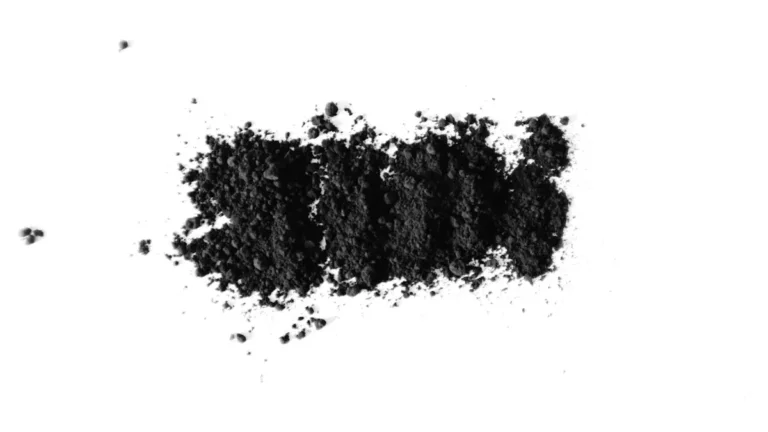
Activated carbon plays a critical role in the petrochemical industry for removing impurities, improving product quality, and ensuring environmental compliance. With its highly developed pore structure and large surface area, it efficiently adsorbs sulfur compounds, hydrocarbons, color bodies, and trace contaminants from both gas and liquid streams.
Through advanced activation and impregnation technologies, activated carbon can be tailored for specific petrochemical applications such as feedstock purification, emission control, and solvent recovery.
Key advantages include high adsorption capacity, excellent chemical stability, strong selectivity, and adaptability to harsh operating conditions. It is widely used to enhance process efficiency, extend equipment life, and meet stringent regulatory standards.

Industry Challenges

Complex Hydrocarbon Mixtures

Sulfur and Contaminant Removal

High Temperature and Pressure

Environmental Emission Control

Cost and Operational Efficiency

related types of activated carbon

颗粒活性炭(granular activated carbon)
  • Iodine Value: 600-1200
  • Mesh Size: 1×4/4×8/8×16/8×30/12×40/20×40/20×50/30×60/40×70 (More size on request)
  • Apparent Density: 400-700
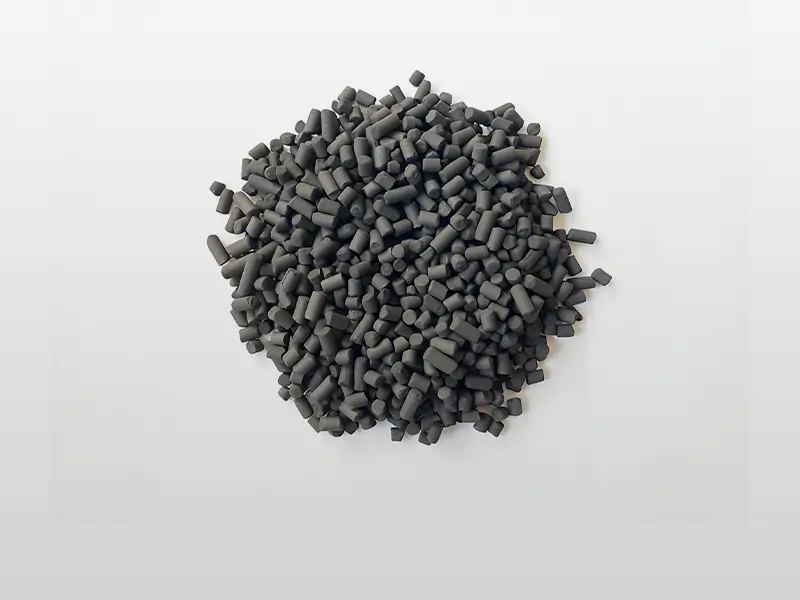
Pillared activated carbon
  • Iodine Value: 500-1300
  • Mesh Size:0.9-1mm/1.5-2mm/3-4mm/6mm/8mm(More size on request)
  • Apparent Density: 450-600
粉末活性炭(Powder activated carbon)
  • Iodine Value: 500-1300
  • Mesh Size: 150/200/300/350 (More size on request)
  • Apparent Density: 450 – 550
蜂窝活性炭(Honeycomb activated carbon)
  • Iodine Value: 400-800
  • Mesh Size: 100×100×100mm/100×100×50mm (Custom cell density on request)
  • Apparent Density: 350-450
  • Bore Diameter:1.5-8mm
  • Iodine Value: 700-1200 mg/g
  • Surface Area: 700-1200 m²/g
  • Apparent Density: 320-550 kg/m³
  • Iodine Value: 700-1200 mg/g
  • Surface Area: 700-1200 m²/g
  • Apparent Density: 320-550 kg/m³
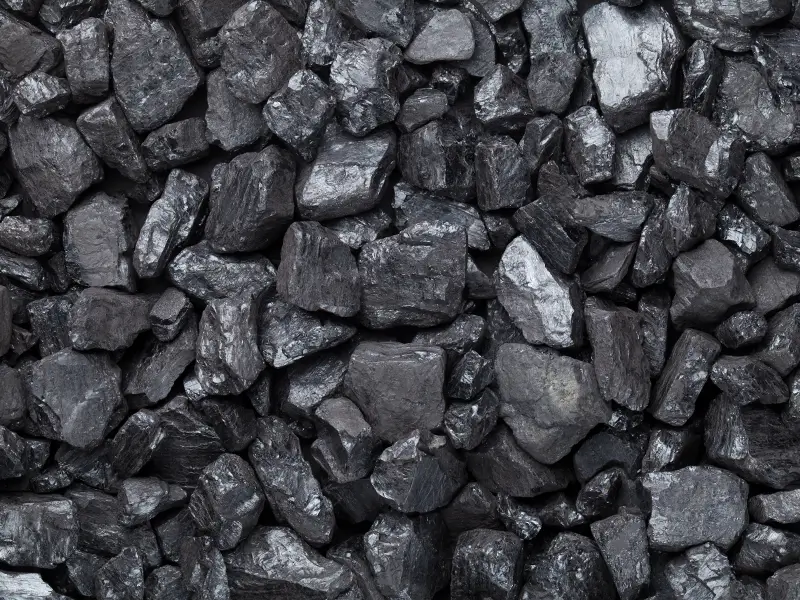
Coal-Based Activated Carbon
  • Iodine Value: 700-1200 mg/g
  • Surface Area: 700-1200 m²/g
  • Apparent Density: 300-650 kg/m³
  • Iodine Value: 700-1200 mg/g
  • Surface Area: 700-1200 m²/g
  • Apparent Density: 320-550 kg/m³
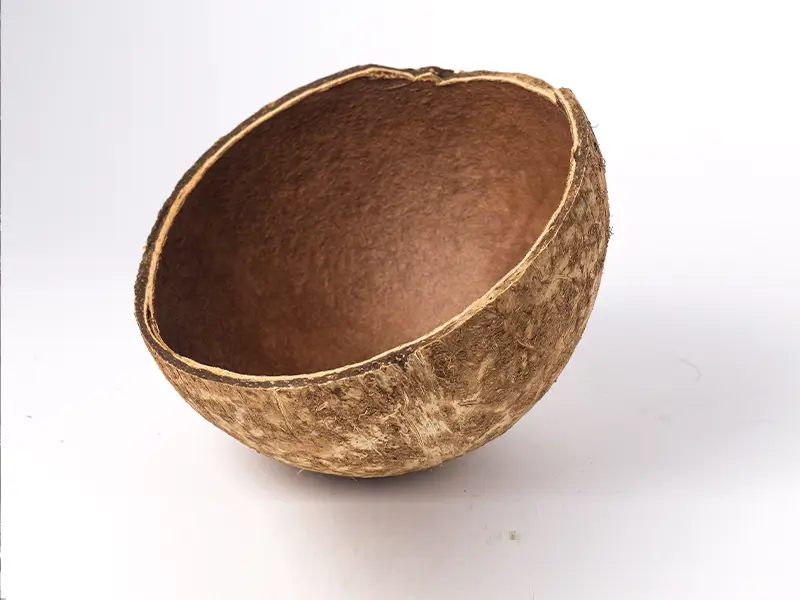
  • Activation Method: Steam/gas activation at high temperatures
  • Pore Structure: Microporous-dominated, uniform pore distribution
  • Environmental Profile: Chemical-free, low ash content
  • Primary Applications: Gas-phase adsorption, drinking water purification
  • Activation Method: Chemical activation (e.g., H₃PO₄/ZnCl₂) at moderate temperatures
  • Pore Structure: Mesoporous-rich, higher surface area
  • Process Efficiency: Shorter activation time, 30-50% higher yield
  • Post-Treatment: Acid-washing required to remove residues
  • Functionalization: Loaded with active agents (e.g., I₂/Ag/KOH)
  • Targeted Adsorption: Enhanced capture of specific pollutants (e.g., Hg⁰/H₂S/acid gases)
  • Customization: Chemically optimized for target contaminants
  • Core Applications: Industrial gas treatment, CBRN protection

Why You Need Our Activated Carbon

choice(1)

High Adsorption Capacity:

Optimized pore distribution ensures efficient removal of hydrocarbons, sulfur compounds, and trace impurities.

Advanced Impregnation Technology:

Special formulations enhance adsorption and catalytic removal of sulfur and hazardous compounds.

Excellent Thermal and Chemical Stability:

Maintains reliable performance under high temperature, pressure, and chemically aggressive environments.

Extended Service Life:

High durability reduces replacement frequency and minimizes operational downtime.

communications

Versatile Application Performance:

Suitable for both gas and liquid phase purification across multiple petrochemical processes.
Process and Technolog

1.Refinery Off-Gas Treatment and Emission Control

Solution Overview

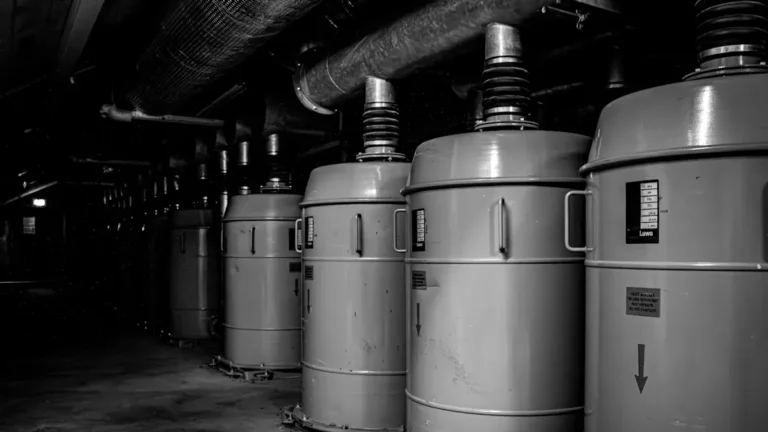
Activated carbon is widely used to treat refinery off-gases by removing VOCs, sulfur compounds, and odorous substances, improving air quality, ensuring environmental compliance, reducing atmospheric pollution, and enhancing industrial emission control efficiency.

Key Advantages

2. Lube Oil and Base Oil Decolorization

Solution Overview

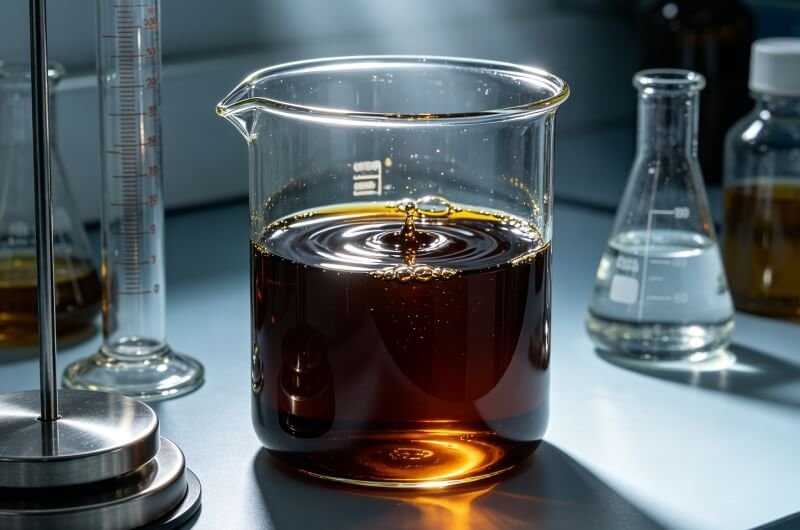
Used in refining processes, activated carbon effectively removes color bodies and impurities from lubricating oils and base oils, improving product appearance, enhancing stability, ensuring consistent quality, and meeting strict industrial performance standards.

Key Advantages

3. Petrochemical Feedstock Purification

Solution Overview

Applied in petrochemical processing, activated carbon effectively purifies raw feedstocks by removing sulfur, nitrogen compounds, and trace contaminants, protecting catalysts, enhancing process efficiency, ensuring product quality, and improving downstream operational performance.

Key Advantages

4. Fuel Purification for Gasoline and Diesel

Solution Overview

Activated carbon is widely used in fuel purification to remove impurities, sulfur compounds, and odor-causing substances, ensuring compliance with fuel quality standards, improving combustion efficiency, and reducing harmful emissions in industrial applications.

Key Advantages

Related Blog

A Step-by-Step Guide to Using Activated Carbon for NOx Removal
Read More
Desulfurization Activated Carbon is your SO2 solution
Read More
What Is Sulfur Impregnated Activated Carbon And Why We Need?
Read More
Scroll to Top

Get Inquiry

Name