Chemical Purification Activated Carbon
Buy Chemical Purification Activated Carbon
Industry Challenges
Complex Chemical Compositions
- Chemical streams often contain multiple impurities simultaneously
- Different compounds require selective adsorption mechanisms
- Conventional materials struggle with broad-spectrum purification
Trace Contaminant Removal
- Trace impurities can significantly impact final product quality
- Extremely low concentration pollutants are difficult to capture
- High precision purification is required in many industries
High Temperature and Pressure Conditions
- Many purification processes operate under extreme conditions
- Adsorbent stability becomes critical under thermal stress
- Performance degradation may occur over prolonged operation
Corrosive Chemical Environments
- Acidic or sulfur-containing compounds can damage materials
- Long-term exposure leads to reduced adsorption efficiency
- Equipment compatibility becomes a key operational concern
Regeneration and Cost Efficiency
- Frequent replacement increases operational costs significantly
- Regeneration efficiency varies across different carbon types
- Balancing cost and performance remains a major challenge
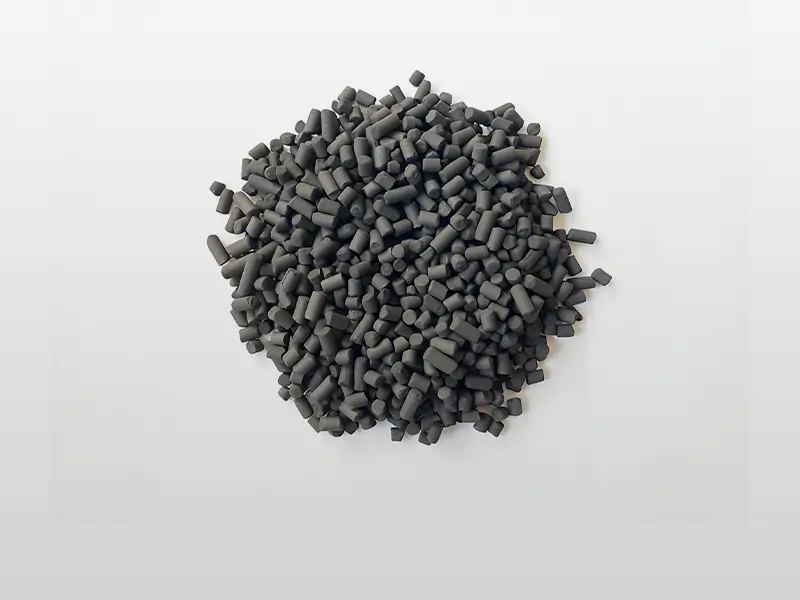
related types of activated carbon
- Iodine Value: 600-1200
- Mesh Size: 1×4/4×8/8×16/8×30/12×40/20×40/20×50/30×60/40×70 (More size on request)
- Apparent Density: 400-700
- Iodine Value: 500-1300
- Mesh Size:0.9-1mm/1.5-2mm/3-4mm/6mm/8mm(More size on request)
- Apparent Density: 450-600
- Iodine Value: 500-1300
- Mesh Size: 150/200/300/350 (More size on request)
- Apparent Density: 450 – 550
- Iodine Value: 400-800
- Mesh Size: 100×100×100mm/100×100×50mm (Custom cell density on request)
- Apparent Density: 350-450
- Bore Diameter:1.5-8mm
- Iodine Value: 700-1200 mg/g
- Surface Area: 700-1200 m²/g
- Apparent Density: 320-550 kg/m³
- Iodine Value: 700-1200 mg/g
- Surface Area: 700-1200 m²/g
- Apparent Density: 320-550 kg/m³
- Iodine Value: 700-1200 mg/g
- Surface Area: 700-1200 m²/g
- Apparent Density: 300-650 kg/m³
- Iodine Value: 700-1200 mg/g
- Surface Area: 700-1200 m²/g
- Apparent Density: 320-550 kg/m³
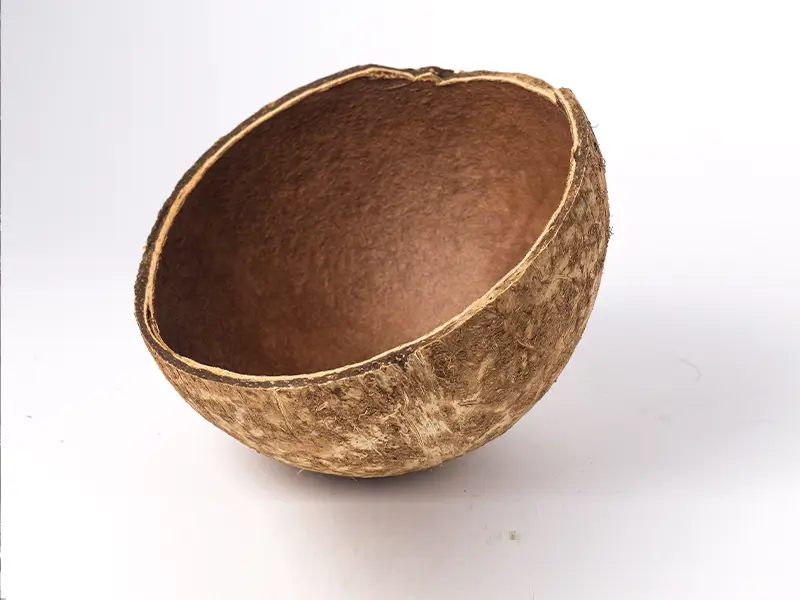
- Activation Method: Steam/gas activation at high temperatures
- Pore Structure: Microporous-dominated, uniform pore distribution
- Environmental Profile: Chemical-free, low ash content
- Primary Applications: Gas-phase adsorption, drinking water purification
- Activation Method: Chemical activation (e.g., H₃PO₄/ZnCl₂) at moderate temperatures
- Pore Structure: Mesoporous-rich, higher surface area
- Process Efficiency: Shorter activation time, 30-50% higher yield
- Post-Treatment: Acid-washing required to remove residues
- Functionalization: Loaded with active agents (e.g., I₂/Ag/KOH)
- Targeted Adsorption: Enhanced capture of specific pollutants (e.g., Hg⁰/H₂S/acid gases)
- Customization: Chemically optimized for target contaminants
- Core Applications: Industrial gas treatment, CBRN protection
Why You Need Our Activated Carbon

Superior Adsorption Performance:
Engineered pore structure ensures efficient removal of organic and inorganic contaminants across diverse chemical processes.

Targeted Impregnation Technology:
Customized activated carbon formulations enhance adsorption efficiency for sulfur compounds and targeted trace impurities removal.

High Chemical Stability:
Maintains consistent activated carbon adsorption performance under harsh chemical, thermal, and high-pressure industrial conditions effectively.

Long Service Life:
High activated carbon adsorption capacity reduces replacement frequency, extends service life, and improves overall operational cost efficiency.

Flexible Application Compatibility:
Suitable for gas and liquid phase purification using activated carbon across diverse industrial treatment and filtration systems.
Process and Technolog
1.CO₂ Gas Purification
Solution Overview
Activated carbon is widely used for removing trace impurities such as hydrocarbons, sulfur compounds, and odors from carbon dioxide streams, ensuring high purity, stable quality, and reliable performance for industrial processing and food-grade applications.
Key Advantages
- Effectively removes trace organic and sulfur-based contaminants from CO₂ streams
- Enhances purity levels for downstream processing and end-use applications
- Provides stable activated carbon adsorption performance under continuous gas flow conditions, ensuring efficient contaminant removal and reliable operation in industrial gas purification systems.
2. Hydrogen Sulfide & Mercaptan Removal
Solution Overview
Designed for efficient removal of hydrogen sulfide and mercaptans in gas streams using impregnated activated carbon, enhancing adsorption efficiency, improving operational safety, minimizing corrosion, and ensuring compliance with stringent environmental emission standards.
Key Advantages
- High reactivity toward sulfur compounds through chemical impregnation.
- Reduces corrosion risks in pipelines and processing equipment .
- Improves environmental compliance and workplace safety using activated carbon adsorption for effective removal of hazardous gases and airborne contaminants.
3. Low-Boiling Solvent Recovery
Solution Overview
Used to recover valuable low-boiling solvents from industrial exhaust gas streams using activated carbon adsorption, improving resource efficiency, enabling solvent recycling, reducing VOC emissions, and enhancing environmental performance in chemical manufacturing processes.
Key Advantages
- High adsorption capacity for volatile and low-boiling organic solvents.
- Enables efficient solvent recovery and reuse in industrial processes.
- Reduces environmental emissions and operational losses using activated carbon adsorption, improving VOC removal efficiency and enhancing sustainability in industrial air purification systems.
4. Organic Impurity Removal
Solution Overview
Applied in chemical production processes using activated carbon to remove unwanted organic impurities, color bodies, and by-products, improving purification efficiency, ensuring consistent product quality, and meeting stringent industrial and regulatory standards.
Key Advantages
- Strong affinity for a wide range of organic contaminants
- Improves product purity and visual quality in chemical outputs.
- Supports stable and consistent manufacturing processes using activated carbon adsorption to ensure reliable impurity removal and uniform product quality in industrial production systems.
Related Blog