Carbón activado para recuperación de oro

Buy Gold Recovery Activated Carbon

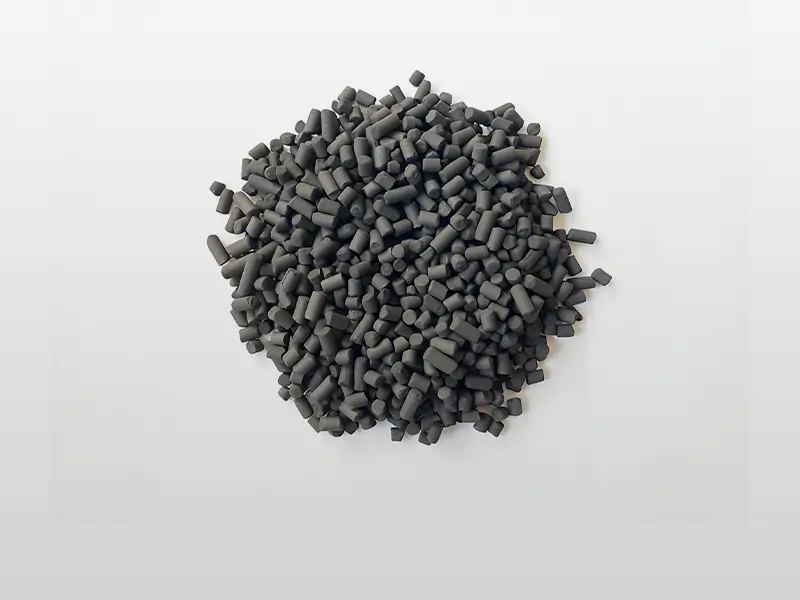
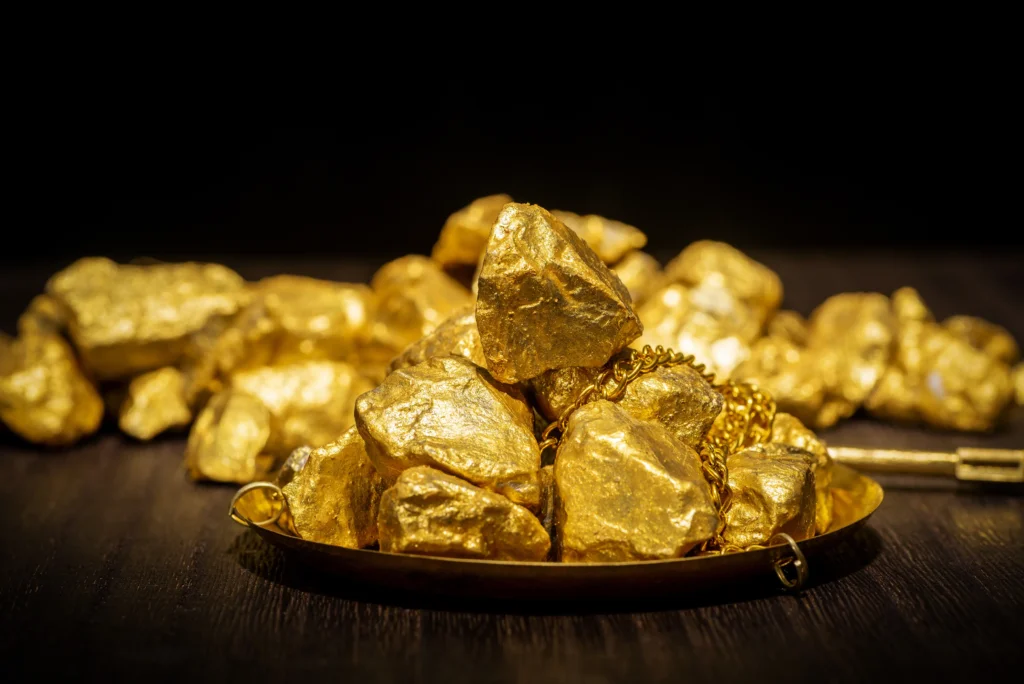
Activated carbon is crucial to modern gold recovery, especially in Carbon-in-Pulp (CIP), Carbon-in-Leach (CIL), heap leaching and Carbon-in-Column (CIC) processes. Activated carbon has a very strong capacity for the gold cyanide Au(CN)₂⁻ complex removing it by adsorbing it from cyanide leach solutions or slurries. When activated carbon is used with CIP, the leach slurry containing the separated ore is mixed with activated carbon, where the carbon can adsorb the dissolved Au(III) from the leach slurry. CIL allows leaching and adsorption to take place together in one vessel. For heap leaching applications, the gold-loaded solution that drips out from the ore heap (the pregnant solution) is normally run through a significant column of activated carbon (CIC) that adsorbs the Au(III) gold ions from the pregnant solution and allow drainage from heap to drain from excess cyanide. When this carbon is loaded with gold, it will then be extracted and the gold will be stripped (eluted) from the activated carbon using hot caustic and/or cyanide solution/or other methods and can thermally reactivate the carbon so can be used again which increases efficiency and reduces cost of processes.

Retos del sector

Adsorptive Selectivity Difficulties

Carbon Fouling / Deactivation

Regeneration Limitations

Processing Time Limitations

tipos de carbón activado relacionados

颗粒活性炭(carbón activado granular)
  • Valor de yodo: 600-1200
  • Tamaño de malla: 1×4/4×8/8×16/8×30/12×40/20×40/20×50/30×60/40×70 (Más tamaños a petición)
  • Densidad aparente: 400-700
Carbón activo pilareado
  • Valor de yodo: 500-1300
  • Tamaño de malla:0,9-1mm/1,5-2mm/3-4mm/6mm/8mm(Más tamaños a petición)
  • Densidad aparente: 450-600
粉末活性炭(Carbón activado en polvo)
  • Valor de yodo: 500-1300
  • Luz de malla: 150/200/300/350 (Más luces a petición)
  • Densidad aparente: 450 - 550
蜂窝活性炭(Carbón activado en panal)
  • Valor de yodo: 400-800
  • Tamaño de malla: 100×100×100 mm/100×100×50 mm (densidad celular personalizada bajo pedido)
  • Densidad aparente: 350-450
  • Diámetro interior:1,5-8 mm
  • Valor de yodo: 700-1200 mg/g
  • Superficie 700-1200 m²/g
  • Densidad aparente: 320-550 kg/m³
  • Valor de yodo: 700-1200 mg/g
  • Superficie 700-1200 m²/g
  • Densidad aparente: 320-550 kg/m³
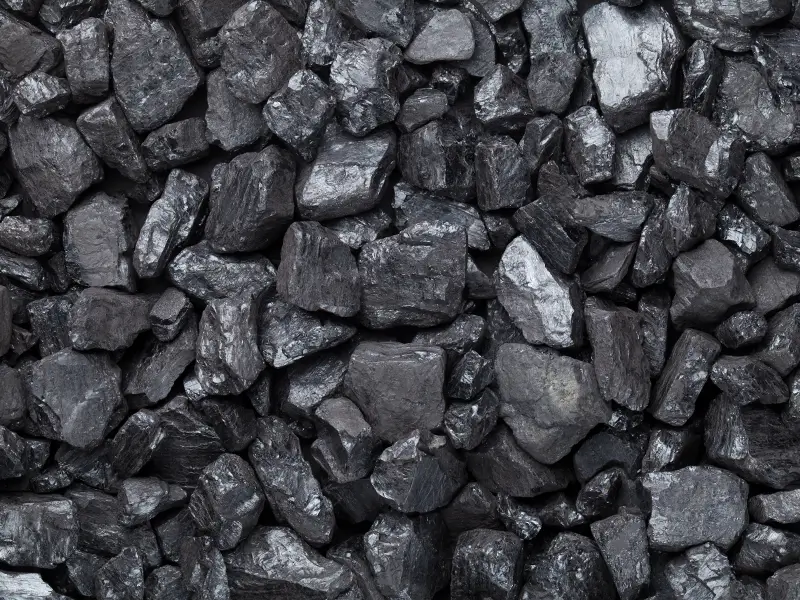
Carbón activado a base de carbón
  • Valor de yodo: 700-1200 mg/g
  • Superficie 700-1200 m²/g
  • Densidad aparente: 300-650 kg/m³
  • Valor de yodo: 700-1200 mg/g
  • Superficie 700-1200 m²/g
  • Densidad aparente: 320-550 kg/m³
  • Método de activación: Activación por vapor/gas a altas temperaturas
  • Estructura de los poros: Microporosa-dominada, distribución uniforme de los poros.
  • Perfil medioambiental: Sin productos químicos, bajo contenido en cenizas
  • Aplicaciones principales: Adsorción en fase gaseosa, purificación de agua potable
  • Método de activación: Activación química (por ejemplo, H₃PO₄/ZnCl₂) a temperaturas moderadas.
  • Estructura de los poros: Mesoporoso-rico, mayor área superficial
  • Eficiencia del proceso: Menor tiempo de activación, mayor rendimiento 30-50%
  • Tratamiento posterior: Lavado con ácido para eliminar residuos
  • Funcionalización: Cargado con agentes activos (por ejemplo, I₂/Ag/KOH).
  • Adsorción selectiva: Captura mejorada de contaminantes específicos (por ejemplo, Hg⁰/H₂S/gases ácidos).
  • Personalización: Químicamente optimizado para los contaminantes objetivo
  • Aplicaciones principales: Tratamiento de gases industriales, protección QBRN

Por qué utilizar nuestro carbón activado

Enhanced Gold Selectivity:

Our specialized pore structure preferentially adsorbs gold-cyanide complexes over competing metal contaminants.

Superior Mechanical Durability:

High resistance to attrition minimizes carbon fragmentation during aggressive agitation processes.
rendimiento

Optimized Regeneration Performance:

Maintains consistent adsorption capacity through multiple thermal reactivation cycles.

Reduced Fouling Susceptibility:

Surface-modified carbon resists pore blockage from inorganic scales and organic impurities.
Proceso y tecnología

1. Carbon in Pulp (CIP)

Resumen de la solución

Gold-cyanide solution from leached ore slurry contacts activated carbon in sequential adsorption tanks, where gold selectively loads onto carbon particles.

Principales ventajas

2. Carbon in Leach (CIL)

Resumen de la solución

Simultaneous leaching and adsorption occur in the same reactor tanks, with activated carbon added directly to the leaching slurry.

Principales ventajas

3. Heap Leaching with Carbon in Columns (CIC)

Resumen de la solución

Pregnant solution from ore heaps percolates through fixed-bed columns packed with activated carbon for gold adsorption.

Principales ventajas

4. Carbon in Conduit / Fluidized Bed Systems

Resumen de la solución

Activated carbon moves counter-currently to gold-bearing solution in inclined channels or fluidized columns.

Principales ventajas

Blog relacionado

How to Choose High-Quality Activated Carbon for Gold Recovery
Seguir leyendo
What Is Gold Recover Activated Carbon?
Seguir leyendo
The importance of activated carbon for gold recovery
Seguir leyendo
Scroll al inicio

Solicitar información

Nombre