



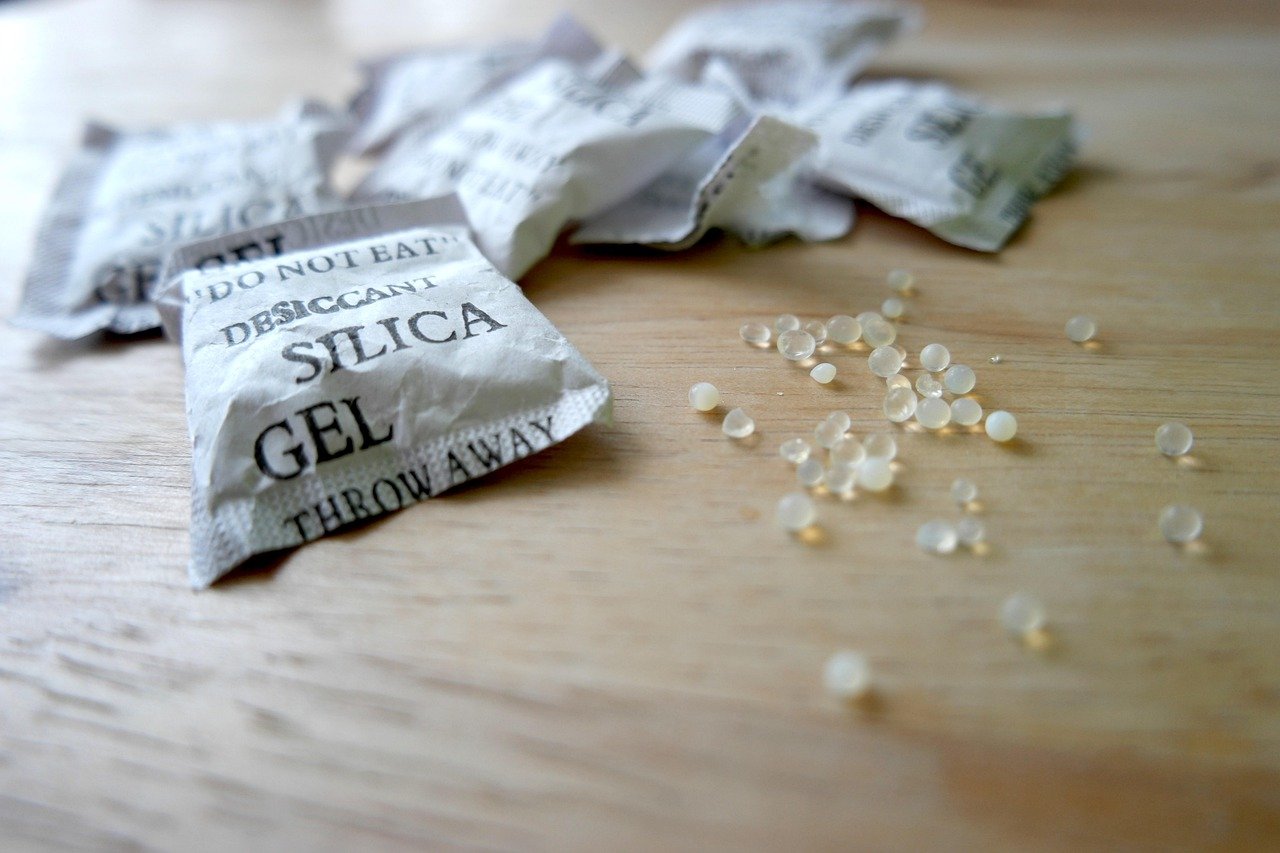
You might ask how long gel de silice déshydratant works. Studies say silica gel bags fill up with water in three weeks if the air is very wet. Experts say you should change them every year, especially if they get wet or hot. Bulk silica gel in Tyvek bags can work for more than two years. Many things affect how well it works, like air and humidity.
Le gel de silice peut absorber jusqu'à 40% de son poids in water vapor.
It works best when the air is very humid.
Open air makes it fill up with water fast.
Sealed containers help it last longer.
Principaux enseignements
Silica gel desiccant can soak up water vapor. It can hold up to 40% of its own weight. This makes it work well in places with a lot of moisture. Change silica gel packets every year. Do this more often if they get wet or hot. This helps them keep working well. Store silica gel in airtight containers. This helps it last longer and stops it from soaking up moisture. Small packets last about 1 to 3 months. Large packets can last 6 to 12 months if you keep them sealed. You can use silica gel again by drying it in an oven. Set the oven to 250°F and heat for 2 to 3 hours. Make sure the packets are safe to put in the oven. Watch for color changes in silica gel. Blue beads turn pink and orange beads turn green when full of water. Do not leave silica gel in open air. This makes it lose its drying power fast. Keep silica gel in a cool, dry place. This stops it from breaking down in very hot or cold weather.
What is silica gel desiccant?
Gel de silice déshydratant helps keep things dry in many places. You often see it in small packets inside boxes or containers. These packets protect items that can be harmed by water vapor. Silica gel looks like tiny, clear beads. Even though it is called a gel, it is really a solid made from silicon dioxide. People use silica gel desiccant to keep things safe and dry.
How it works
Silica gel desiccant grabs water vapor from the air. It does not melt or change shape when it gets wet. It uses its special chemical makeup to hold water on its surface. Its structure makes it work well:
High porosity lets silica gel soak up lots of moisture.
Large surface area gives more space for water vapor to stick.
Stable amorphous structure keeps silica gel strong, even after many uses.
Silanol groups (Si–OH) help silica gel attract water easily.
Silica gel is good for moisture control because it does not make a mess. It does not react with other things, so you can use it with many items. You can use silica gel again by drying it in an oven. This makes it ready to soak up water once more.
Tip: To keep your things dry for a long time, use silica gel desiccant in airtight containers. This way, you get the best moisture control and protect your valuables.
Common uses
You find silica gel desiccant in many places. It protects electronics, medicine, and food from getting ruined by moisture. You use it to keep items safe during shipping and storage. Here are some common uses:
Electronics: You put silica gel packets in boxes with phones, cameras, or computers to stop moisture from hurting them.
Pharmaceuticals: You use silica gel to keep pills and vitamins dry, so they stay strong and last longer.
Food industry: You add silica gel to packages of snacks, dried fruits, or spices to keep them fresh and stop mold.
You also see silica gel in toolboxes, shoes, and with important papers. When you need to control moisture, silica gel desiccant is a simple and trustworthy choice. You can count on it to protect items in your home, office, or factory.
How long do desiccants last?
Shelf life in sealed packaging
If you want silica gel desiccant to last longer, keep it sealed. Sealed packets stay dry and ready to use. Most sealed silica gel packets can last for years. Bulk silica gel in Tyvek bags can last over two years if kept cool and dry. Sealed packaging stops moisture from getting in, so desiccant lasts longer. Always check packets for damage before using them. If you see any tears or holes, the packet might not work well.
Tip: Put unused silica gel desiccant in airtight containers. This keeps it fresh and helps it last longer.
Effectiveness in open air
Silica gel desiccant starts soaking up moisture as soon as it touches open air. Its lifespan drops fast in these conditions. Here is what happens:
Silica gel desiccant stops working well after 24 to 48 hours in open air.
Normal indoor humidity makes it fill up with water faster.
Do not leave packets out if you want them to last.
If you want silica gel desiccant to work for a long time, keep it in sealed containers. Open air makes it fill up with water quickly, so you will need to replace or dry it often.
Lifespan by packet size
The size of the packet changes how long silica gel desiccant works. You can pick small or large packets for different things.
Small packets
Small packets are good for tiny spaces like pill bottles or shoe boxes. They fill up with water quickly because they have less silica gel inside. You may need to change small packets every few weeks if the place is humid. Small packets do not last long, especially if you open the container a lot.
Large packets
Large packets last longer because they hold more silica gel. You can use them in bigger boxes or containers. Tests show that large desiccant bags soak up more moisture, so they last longer. You might only need to change large packets every few months, even if it is damp.
Taille du paquet | Typical Lifespan (Sealed Use) | Typical Lifespan (Open Air) |
|---|---|---|
Petit | 1-3 months | 1-2 jours |
Grand | 6-12 months | 2-4 days |
Pick the packet size that fits your needs. Bigger packets last longer and protect your things better.
Reusability and expiration
You can reuse silica gel desiccant if you know how to refresh it. Silica gel does not break down after soaking up water. Instead, you can dry it out and use it again. This makes silica gel a smart choice for long-term moisture control.
How to reuse silica gel:
Collect used silica gel packets or bulk beads.
Place them on a baking tray in a single layer.
Heat them in an oven at 250°F (120°C) for two to three hours.
Let the packets cool before you use them again.
Conseil : Always check the packet material before heating. Some packets use plastic or paper that can melt or burn. Use only packets marked as safe for oven drying.
Silica gel does not last forever. Over time, the beads can lose their ability to soak up water. You might notice that the packets do not keep things dry as well as before. This means the silica gel has reached its expiration.
Signs that silica gel has expired:
The beads stay wet or sticky after drying.
The packet feels heavy and does not dry out in the oven.
Items stored with silica gel show signs of moisture or mold.
Indicator silica gel changes color when it is full of water. Blue beads turn pink, and orange beads turn green. If you use indicator packets, you can see when it is time to dry or replace them.
Silica Gel Type | Can You Reuse? | How Many Times? | Expiration Signs |
|---|---|---|---|
Regular (clear) | Oui | Many | Loss of drying power |
Indicator (color) | Oui | Many | Color change, stays wet |
Mixed with clay | Parfois | Few | Crumbles, loss of shape |
You should replace silica gel if it does not work after drying. Old packets may not protect your items. Fresh silica gel works best for keeping things dry.
Remarque : You can extend the life of silica gel by storing it in airtight containers when not in use. This keeps moisture out and helps the beads last longer.
Factors that change how long silica gel lasts
Humidity exposure
Humidity is very important for silica gel desiccant. If the air is wet, the beads fill up with water quickly. You should watch the moisture in your room. In damp places, silica gel loses its drying power fast.
You need to change or recharge packets more often in wet air.
Silica gel works less when the beads are full of water.
Check your silica gel often if you want to protect medicine or electronics. In dry places, packets last longer and keep things safe. In humid places, you need to change them more often to keep them working.
Packaging type
The packaging you use changes how well silica gel works. Airtight containers help silica gel last longer. Sealing items with silica gel keeps moisture out. This slows down how fast the beads fill up.
Loose or broken packaging lets air and water get in. The beads soak up water fast and stop working well. Always check for holes or tears in the packets. Good packaging helps silica gel work better and last longer.
Tip: Keep unused silica gel in airtight jars or bags. This keeps the beads fresh and ready for use.
Frequency of use
How often you open or use silica gel matters. Every time you open a container, new air and moisture get in. If you open containers a lot, the beads fill up faster. You need to recharge or change silica gel more often.
Facteur | Impact on Effectiveness |
|---|---|
Poor Reactivation Practices | |
Contamination | Makes silica gel weaker; oil can cut drying power by half. |
Conditions environnementales | Changes how you recharge silica gel and how long it lasts. |
Watch out for dirt or oil on the beads. If they get dirty, they cannot soak up water well. This can make them lose half their drying power. Always keep packets clean and dry for best results.
Silica gel acts like a sponge and can only hold so much water.
Humidity, even when not using the packets, can make them weaker.
Leaving packets open in wet rooms makes them lose drying power faster.
To make silica gel last longer, use sealed containers and do not touch the packets too much. Clean hands and good storage help each packet work its best.
Temperature impact
Temperature plays a big role in how long your silica gel desiccant lasts. You might think only humidity matters, but heat and cold can change how well silica gel works. If you want your silica gel to stay strong, you need to pay attention to where you store it.
High temperatures can break down silica gel beads. When you keep packets in a hot place, the beads lose their power to soak up water. Heat makes the silica gel degrade faster. You may notice that packets stored near heaters or in sunny spots do not keep things dry for long. If you use silica gel in a warm warehouse or attic, you should check the packets often.
Cold temperatures can also hurt silica gel. Freezing air can damage the structure of the beads. When the beads get too cold, they may crack or lose their shape. This makes them less able to grab water from the air. If you store silica gel in a garage or basement during winter, you might see the beads become brittle.
Temperature changes can make things worse. If you move silica gel from a hot place to a cold one, or the other way around, the beads can weaken. Fluctuations in temperature stress the material. You want to keep silica gel in a spot where the temperature stays steady.
Here are some key points about temperature and silica gel:
Extreme heat breaks down silica gel and lowers its drying power.
Freezing cold can crack beads and harm their structure.
Big temperature swings make silica gel wear out faster.
Stable temperatures help silica gel last longer and work better.
Conseil : Store silica gel packets in a cool, dry place away from direct sunlight and heaters. Avoid putting them in places that get very cold or have big temperature changes.
You can use a closet, drawer, or cabinet for storage. These spots usually have steady temperatures. If you keep silica gel in a car or shed, check the packets often. You may need to replace them sooner.
If you want to get the most out of your silica gel, watch the temperature. Proper storage helps the beads stay strong and ready to protect your valuables. You can make silica gel last longer by keeping it away from heat, cold, and sudden changes.
When to replace silica gel
Visual signs
You can tell when silica gel needs to be replaced by looking for changes. The beads show signs when they have soaked up too much water. You might see the beads change color or break apart. Color-changing beads help you know when to replace them. Orange beads turn green, and blue beads turn pink when wet. If beads crumble or break, they cannot work well anymore.
Indicator Type | Description |
|---|---|
Changement de couleur | Orange silica gel turns green; blue silica gel turns pink when saturated. |
Dégradation physique | Crumbling or breaking apart of desiccant beads indicates compromised structure. |
If you notice these signs, you should get new beads or dry them out. Fresh beads help keep your things dry and safe.
Performance loss
Sometimes, silica gel stops working even if it looks normal. You may find your stored items feel damp or have mold. Pollution can make beads lose their power to soak up water. Dirt or oil on beads makes them weaker. Some people use acid solution to fix beads, but most just replace them.
Temperature also changes how well silica gel works. Hot or cold places can lower how much water beads hold. If you store beads where the temperature changes a lot, check them often. Humidity matters too, but people sometimes forget about it.
Factor Affecting Performance | Description |
|---|---|
Pollution | Primary cause of decline in adsorption capacity |
Acid Solution Processing | Method explored for restoring adsorption performance |
Aspect | Résultats |
|---|---|
Temperature Dependence | Significant influence on adsorption and desorption isotherms |
Relative Humidity Correlation | Often neglected in existing studies |
If you see your silica gel not working well, get new beads. This keeps your things safe from moisture.
Using indicator packets
Indicator packets make it easy to know when to change silica gel. These packets have beads that change color when full of water. You do not need to guess or test the beads. Just look at the color.
Type of Silica Gel | Color When Dry | Color When Saturated |
|---|---|---|
Gel de silice bleu | Blue | Pink |
Orange Silica Gel | Orange | Dark Green |
If you see pink or dark green beads, the packet is full. You should dry or replace the packet right away. Indicator packets save time and help keep things dry.
Tip: Use indicator packets with electronics or medicine. You can check them quickly and know when to act.
Changing silica gel at the right time protects your things. Watch for color changes, broken beads, and weak drying power. Use indicator packets to make checking easier. You keep your items safe by paying attention to these signs.
Maximizing silica gel effectiveness
Proper storage
You want gel de silice to last a long time. Storing it the right way helps each packet work better. Always put gel de silice in a cool and dry spot. Wet air makes the beads fill up faster, so do not use damp rooms. Never leave gel de silice out in open air. The beads will soak up water quickly and stop working.
Here are some good ways to store gel de silice:
Meilleures pratiques | Description |
|---|---|
Utilisation Récipients étanches | Put gel de silice in sealed jars or bags to keep water out. |
Éviter l'exposition à l'air libre | Leaving gel de silice out makes it fill up with water fast. |
Conserver dans un endroit frais et sec | Keep packets away from wet and hot places to help them work longer. |
Check your storage containers for cracks or holes. Even tiny gaps can let water in and make gel de silice weaker. Look at your packets often and change them if needed, especially in places where the air gets wet sometimes.
Récipients hermétiques
Airtight containers help gel de silice last much longer. Sealed jars or bags keep water out. This keeps gel de silice fresh and ready to use. Airtight containers also stop dust and dirt from hurting the beads.
Airtight containers stop gel de silice from soaking up water too soon.
They keep gel de silice strong until you need it.
Check containers often to make sure they are still sealed.
If you store electronics, medicine, or food with gel de silice, airtight containers help stop water damage. You get better results and longer protection.
Regeneration methods
Vous pouvez utiliser gel de silice again by drying it out. This is called regeneration. You need to follow safe steps so the beads work well and you stay safe.
Séchage au four
Séchage au four is the most popular way to refresh gel de silice. Spread the beads in a thin layer on a tray that can handle heat. Set your oven to 250°F (120°C) and heat the beads for two to three hours. If you have lots of beads, you may need more time. After heating, let the beads cool in a sealed, dry container before using them again.
Safety tips
You must be careful when drying gel de silice. Work in a place with fresh air. Wear a mask so you do not breathe in dust. Use safety glasses and gloves to protect your eyes and skin. Always keep gel de silice away from kids and pets. The beads can be dangerous if swallowed. When you throw away old gel de silice, follow your local rules. Treat it as safe trash unless it is dirty.
Conseil : Always check packet material before oven drying. Some packets use plastic or paper that can melt or burn. Only dry packets marked as safe for oven use.
Vous pouvez faire gel de silice last longer by following these tips. Good storage, airtight containers, and safe drying help keep your things dry and safe.
Monitoring silica gel desiccant
Keeping your silica gel desiccant working well means you need to check it often. You want to make sure it stays dry and does not lose its power. If you watch for signs and keep good records, you can protect your items from moisture.
Replacement schedule
You should set up a regular schedule to replace your silica gel desiccant. This helps you avoid problems before they start. Silica gel works best when you change it before it gets full of water. If you wait too long, the beads can release moisture back into the air. You do not want that to happen.
Experts say you need to monitor the saturation levels of your silica gel. Replace the packets before they reach their maximum moisture capacity. You can check the packets every month in places with high humidity. In dry areas, you might check every two or three months. If you use sealed containers, silica gel can last from 18 to 24 months. Always look for physical damage or changes in the beads. If you see broken packets or beads that look wet, you should replace them right away.
Conseil : Set a reminder on your phone or calendar to check your silica gel. This helps you remember and keeps your items safe.
Humidity indicators
Humidity indicators make it easy to know when your silica gel needs attention. Some packets have beads that change color when they soak up water. You can see the change and know it is time to recharge or replace the packet.
Many rapid diagnostic test products do not have a self-indicating desiccant.
Some self-indicating gel sachets show signs of saturation.
A few sachets with partial-indicating gel do not contain indicator beads.
Silica gel with color-changing indicators gives you a clear visual cue. When the beads change color, you know the desiccant is full. This helps you keep moisture under control. If you see the color change, you should replace or dry the packet. Saturated desiccants can release water back into your container, so you want to act quickly.
Monitor the lifespan of your silica gel, especially in sealed spaces.
Check for color changes to spot saturation.
Replace or recharge the desiccant when you see signs of moisture.
Remarque : Always choose silica gel packets with indicator beads for easy monitoring. You save time and keep your items dry.
Usage records
Keeping records helps you track how well your silica gel works. You can write down when you put in new packets and when you check them. If you notice problems, you can look back at your notes and see what happened.
Try using a simple table or notebook. Write the date you checked the packets, what you saw, and if you replaced or dried them. This helps you spot patterns and plan for future changes. If you use silica gel in many places, records help you stay organized.
Date Checked | Location | Condition | Action Taken |
|---|---|---|---|
06/01/2024 | Camera Case | Dry, blue | No action |
07/01/2024 | Medicine Box | Pink beads | Recharged beads |
08/01/2024 | Toolbox | Wet packet | Replaced packet |
You can use a notebook, spreadsheet, or even a phone app. Good records help you keep your silica gel working and your valuables safe.
Mistakes to avoid
When you use silica gel desiccant, you want to get the best results. Some common mistakes can make your packets stop working too soon. If you know what to watch out for, you can keep your items safe and dry.
Overexposure
You might think leaving silica gel packets out in the open is harmless. In reality, exposing packets to open air lets them soak up moisture before you need them. Silica gel works by grabbing water from the air. When you leave packets unsealed, they fill up fast and lose their drying power. If you store packets in a humid place, they can become saturated quickly. Saturated packets cannot protect your items from mold or damage. You should always keep unused packets in airtight containers. This keeps them fresh and ready to use.
Conseil : Store silica gel in sealed bags or jars. Avoid leaving packets out on shelves or tables.
Ignoring saturation
Sometimes you forget to check if your silica gel packets are full of water. Ignoring saturation is a big mistake. When packets reach their limit, they stop working. You might notice your items feel damp or see mold growing. Color-changing beads help you spot saturation. Blue beads turn pink, and orange beads turn green when wet. If you use regular beads, check them often for signs of moisture. Replace or recharge packets before they get saturated.
Here are some mistakes people make with silica gel:
Reusing packets without proper drying
Using too many or too few packets
Not sealing containers tightly
Erreur | Ce qui se passe |
|---|---|
Exposed to open air | Packets fill up too soon |
Ignoring saturation | Items get wet or moldy |
Poor sealing | Moisture gets inside containers |
Improper drying | Packets lose drying power |
Improper drying
You can reuse silica gel if you dry it the right way. Improper drying can ruin your packets. If you use too much heat, the beads can crack or melt. If you do not dry them long enough, they stay wet and do not work. Always check the packet material before putting it in the oven. Some packets have plastic or paper that can burn. Use only packets marked as safe for oven drying. Spread the beads in a thin layer and heat them at 250°F (120°C) for two to three hours. Let them cool in a dry container before using them again.
Remarque : Wear gloves and a mask when handling silica gel. Keep packets away from children and pets.
If you avoid these mistakes, your silica gel will last longer. You protect your valuables and save money by using packets the right way.
You can help silica gel desiccant last longer if you know what changes how long it works. The table below lists key things that matter:
Facteur | Description |
|---|---|
Initial Moisture Content | Less moisture means packets last longer. |
Conditions environnementales | Wet air and heat make packets fill up faster. |
Size and Quantity | Large packets soak up more water. |
Type of Silica Gel | Indicator types show when to dry them. |
Monitoring Methods | Look at color, weight, or use a hygrometer. |
To keep silica gel working well:
Check packets often for damage or color changes.
Make a plan to replace packets and use humidity cards.
Dry reusable packets in the oven to use them again.
Checking your silica gel often helps keep your things safe and stops moisture problems.