Activated Carbon for Ultrapure Water

Buy Ultrapure Water Activated Carbon

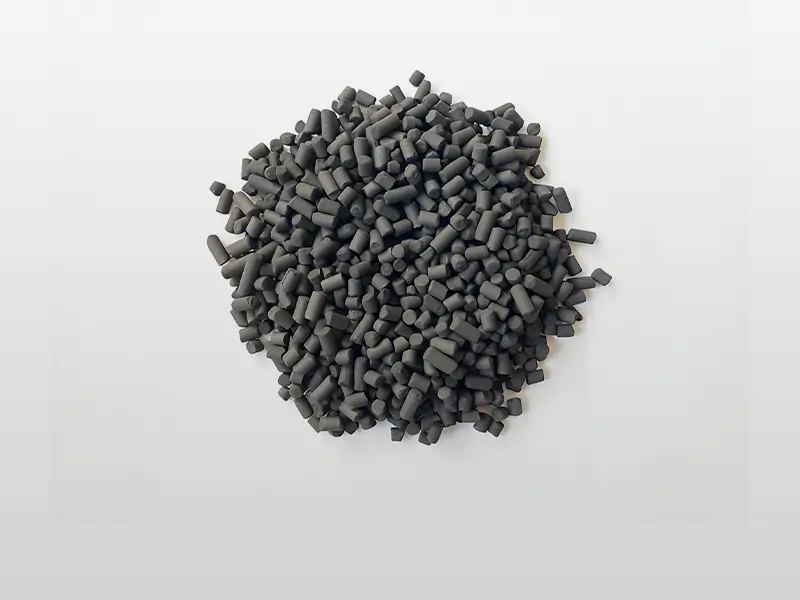
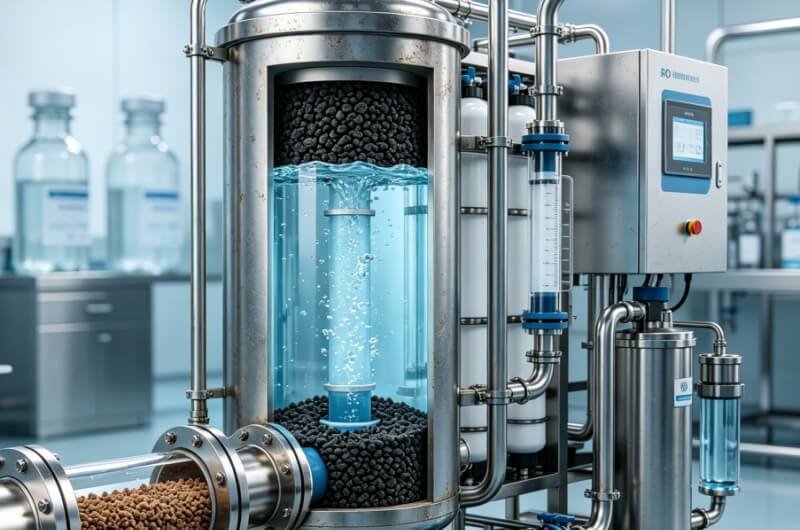
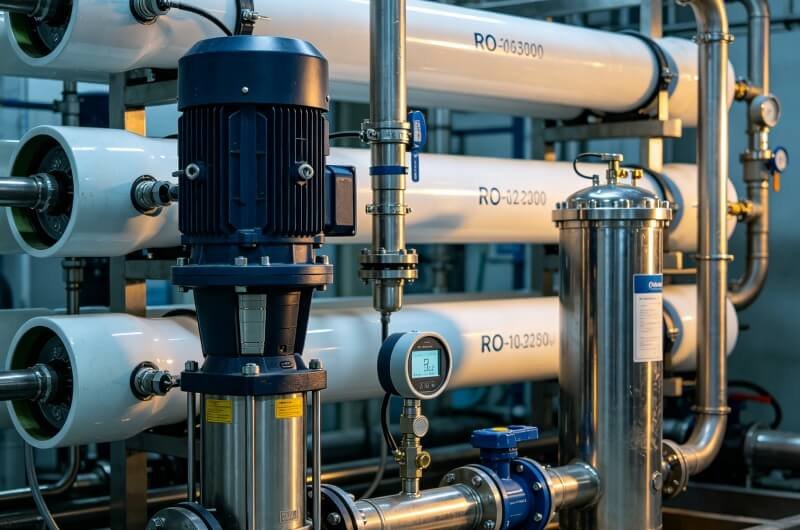
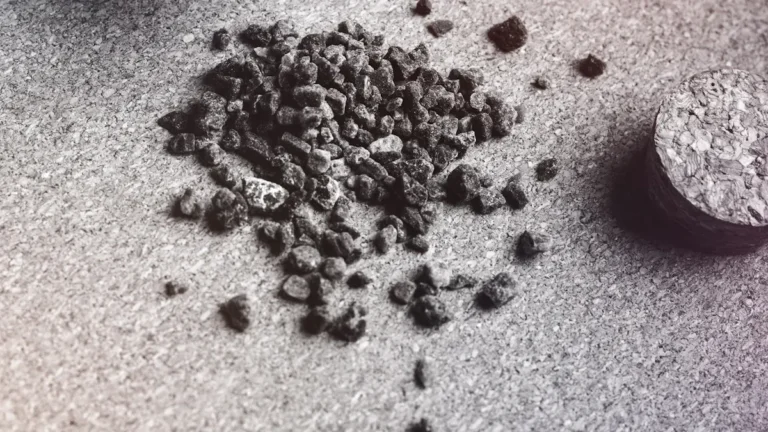
Activated carbon is an essential pre-treatment material in ultrapure water (UPW) systems, widely used in semiconductor, electronics, and high-tech industries. With its highly developed pore structure and large surface area, it effectively removes residual chlorine, chloramines, and dissolved organic compounds, reducing total organic carbon (TOC) levels.High-quality activated carbon also protects downstream reverse osmosis (RO) membranes and ion exchange resins from oxidation and fouling.
Key advantages include high adsorption efficiency, low impurity leaching, excellent catalytic performance, and stable operation under stringent water quality requirements. It ensures consistent water purity and supports reliable performance in critical industrial processes.

Les défis de l'industrie

Trace Organic Contamination

Chlorine and Oxidant Removal

Low Metal and Ash Requirements

Biofouling and Bacterial Growth

System Stability and Consistency

types de charbon actif apparentés

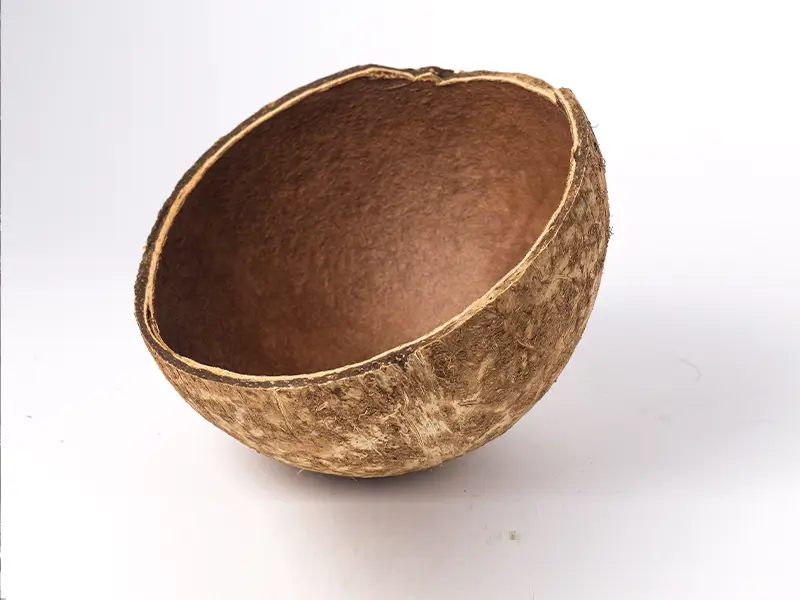
颗粒活性炭(granular activated carbon)
  • Valeur en iode : 600-1200
  • Taille des mailles : 1×4/4×8/8×16/8×30/12×40/20×40/20×50/30×60/40×70 (autres tailles sur demande)
  • Densité apparente : 400-700
Charbon actif à piliers
  • Valeur de l'iode : 500-1300
  • Taille des mailles : 0,9-1mm/1,5-2mm/3-4mm/6mm/8mm(autres tailles sur demande)
  • Densité apparente : 450-600
粉末活性炭(Poudre de charbon actif)
  • Valeur de l'iode : 500-1300
  • Maillage : 150/200/300/350 (autres dimensions sur demande)
  • Densité apparente : 450 - 550
蜂窝活性炭(Charbon actif en nid d'abeille)
  • Valeur en iode : 400-800
  • Taille des mailles : 100×100×100mm/100×100×50mm (densité cellulaire personnalisée sur demande)
  • Densité apparente : 350-450
  • Diamètre de l'alésage:1.5-8mm
  • Indice d'iode : 700-1200 mg/g
  • Surface : 700-1200 m²/g
  • Densité apparente : 320-550 kg/m³
  • Indice d'iode : 700-1200 mg/g
  • Surface : 700-1200 m²/g
  • Densité apparente : 320-550 kg/m³
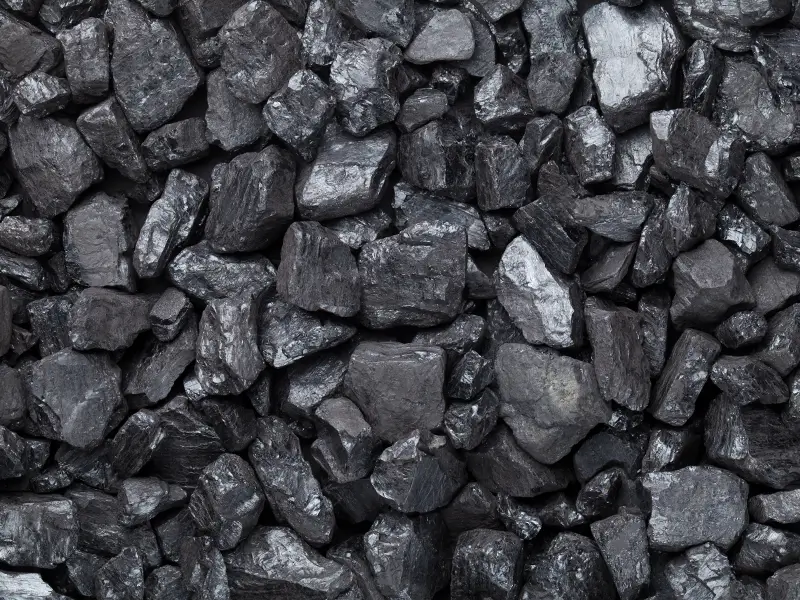
Charbon actif à base de charbon
  • Indice d'iode : 700-1200 mg/g
  • Surface : 700-1200 m²/g
  • Densité apparente : 300-650 kg/m³
  • Indice d'iode : 700-1200 mg/g
  • Surface : 700-1200 m²/g
  • Densité apparente : 320-550 kg/m³
  • Méthode d'activation : Activation par vapeur/gaz à haute température
  • Structure des pores : Dominée par les micropores, distribution uniforme des pores
  • Profil environnemental : Sans produits chimiques, faible teneur en cendres
  • Applications principales : Adsorption en phase gazeuse, purification de l'eau potable
  • Méthode d'activation : Activation chimique (par exemple, H₃PO₄/ZnCl₂) à des températures modérées.
  • Structure des pores : Riche en mésopores, surface plus élevée
  • Efficacité du processus : Temps d'activation plus court, rendement plus élevé 30-50%
  • Post-traitement : Lavage à l'acide nécessaire pour éliminer les résidus
  • Fonctionnalisation : Chargé d'agents actifs (par exemple, I₂/Ag/KOH)
  • Adsorption ciblée : Amélioration de la capture de polluants spécifiques (par exemple, Hg⁰/H₂S/gaz acides).
  • Personnalisation : Optimisation chimique pour les contaminants ciblés
  • Applications principales : Traitement des gaz industriels, protection CBRN

Pourquoi vous avez besoin de notre charbon actif

choice(1)

Ultra-Low Impurity Content:

Carefully selected and controlled raw materials for activated carbon ensure minimal ash content and metal leaching, meeting strict purity requirements for ultrapure water and sensitive industrial applications.

Excellent TOC Removal Performance:

Highly developed pore structure in activated carbon enables efficient adsorption of trace organic contaminants, enhancing TOC reduction and ensuring superior water purification performance.

Strong Catalytic Dechlorination Ability:

Rapid removal of chlorine and chloramines using activated carbon protects RO membranes from oxidation, ensuring stable performance and extending lifespan of downstream water treatment systems.

High Stability and Reliability:

Consistent activated carbon performance under continuous operation ensures stable ultrapure water production and reliable high-purity treatment efficiency.

les communications

Optimized for High-Tech Industries:

Designed with activated carbon to meet stringent requirements of semiconductor and electronics manufacturing processes for high-purity contamination control.
Processus et technologie

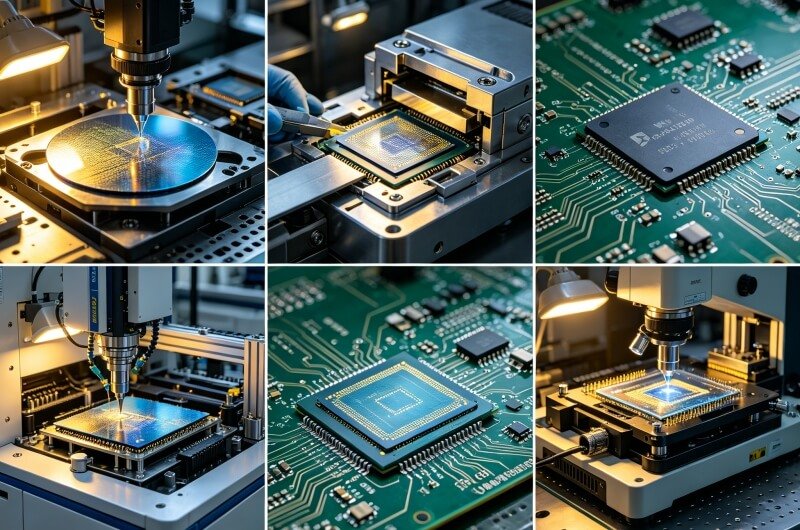
1.Semiconductor and Electronics Manufacturing Applications

Aperçu de la solution

Activated carbon is widely used in ultrapure water systems for semiconductor and electronics manufacturing, ensuring efficient removal of trace contaminants, maintaining extremely high water quality standards, and supporting reliable, consistent performance in critical production processes.

Principaux avantages

2. TOC Control (Organic Matter Removal)

Aperçu de la solution

Activated carbon plays a critical role in reducing total organic carbon levels by adsorbing dissolved organic compounds, enhancing TOC removal efficiency, improving water purity, and preventing contamination in ultrapure water systems and industrial applications.

Principaux avantages

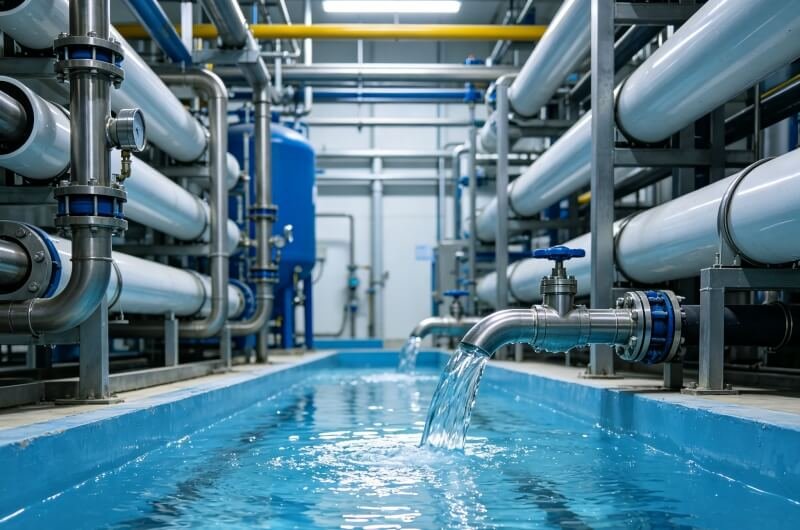
3. Ultrapure Water System Pretreatment

Aperçu de la solution

Used as a critical pretreatment step, activated carbon effectively removes chlorine, organic contaminants, and oxidants before advanced purification processes, protecting downstream equipment, enhancing system performance, and ensuring stable operation in industrial water treatment systems.

Principaux avantages

4. Pretreatment for Reverse Osmosis Systems

Aperçu de la solution

Activated carbon is widely applied as pretreatment before RO systems to remove oxidants and organic matter, protecting membranes, ensuring optimal performance, preventing long-term degradation, and improving overall efficiency in industrial water treatment applications.

Principaux avantages

Blog connexe

Comment trouver le charbon actif le plus efficace pour le traitement des eaux usées ?
Lire la suite
How activated carbon works in water treatment
Lire la suite
Comment le charbon actif améliore-t-il l'efficacité du dessalement ?
Lire la suite
Retour en haut

Obtenir une demande de renseignements

Nom