Activated Carbon For Gas Mask

Buy Activated Carbon For Gas Mask

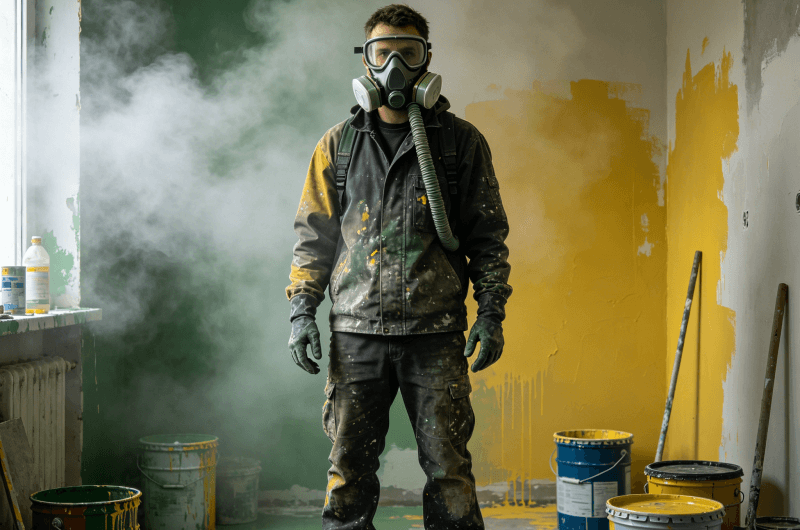
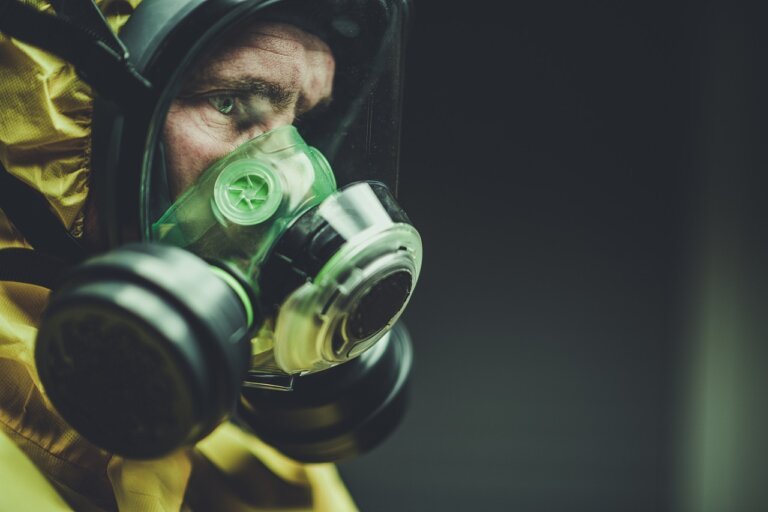
Activated carbon for gas masks is specifically engineered to adsorb harmful gases, vapors, and toxic compounds from the air. With its highly developed pore structure and large surface area, it effectively captures volatile organic compounds (VOCs), acid gases, and hazardous industrial emissions.This type of activated carbon is often impregnated with specialized chemicals to enhance its ability to neutralize toxic substances such as hydrogen sulfide, ammonia, and chemical warfare agents.Advantages include high adsorption efficiency, fast reaction kinetics, strong selectivity, and stable performance under varying environmental conditions. It plays a critical role in personal respiratory protection across industrial, military, and emergency response applications.

Les défis de l'industrie

Complex Gas Mixtures

High Toxicity Exposure

High Humidity Conditions

Short Service Life

Acid Gas Corrosion

types de charbon actif apparentés

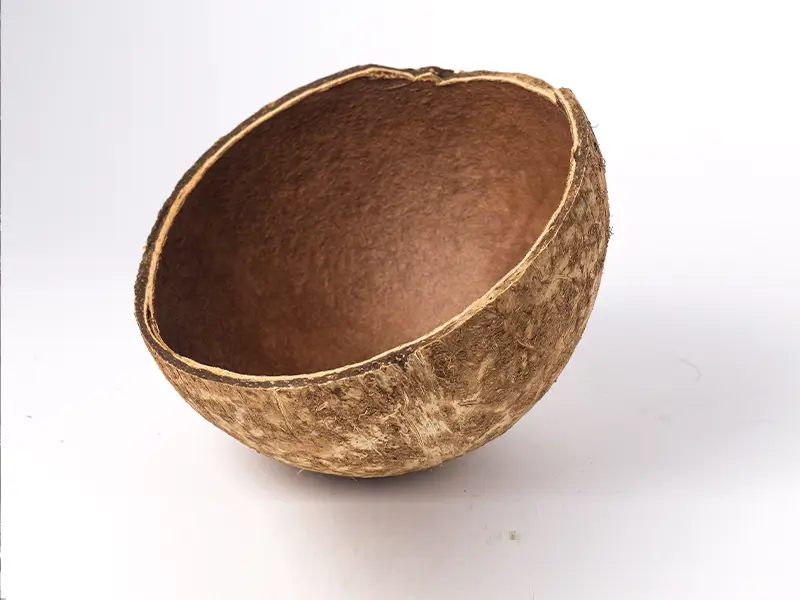
颗粒活性炭(granular activated carbon)
  • Valeur en iode : 600-1200
  • Taille des mailles : 1×4/4×8/8×16/8×30/12×40/20×40/20×50/30×60/40×70 (autres tailles sur demande)
  • Densité apparente : 400-700
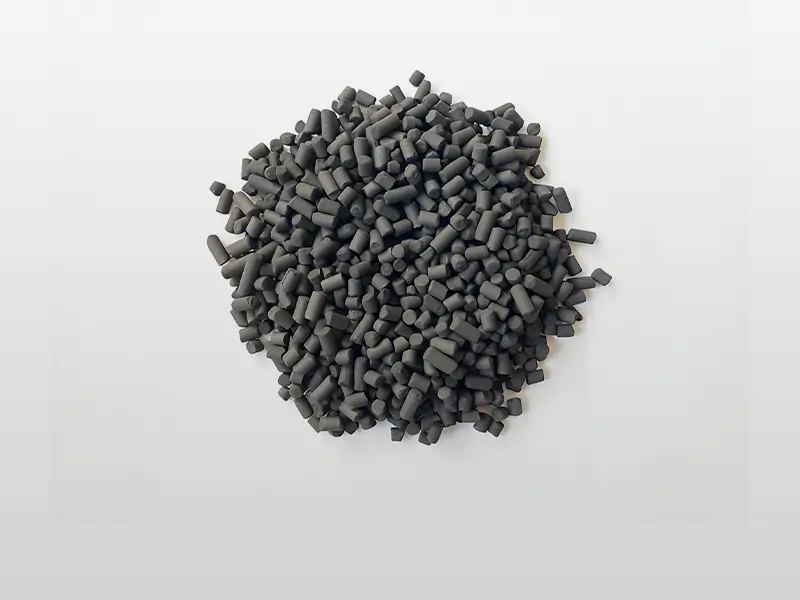
Charbon actif à piliers
  • Valeur de l'iode : 500-1300
  • Taille des mailles : 0,9-1mm/1,5-2mm/3-4mm/6mm/8mm(autres tailles sur demande)
  • Densité apparente : 450-600
粉末活性炭(Poudre de charbon actif)
  • Valeur de l'iode : 500-1300
  • Maillage : 150/200/300/350 (autres dimensions sur demande)
  • Densité apparente : 450 - 550
蜂窝活性炭(Charbon actif en nid d'abeille)
  • Valeur en iode : 400-800
  • Taille des mailles : 100×100×100mm/100×100×50mm (densité cellulaire personnalisée sur demande)
  • Densité apparente : 350-450
  • Diamètre de l'alésage:1.5-8mm
  • Indice d'iode : 700-1200 mg/g
  • Surface : 700-1200 m²/g
  • Densité apparente : 320-550 kg/m³
  • Indice d'iode : 700-1200 mg/g
  • Surface : 700-1200 m²/g
  • Densité apparente : 320-550 kg/m³
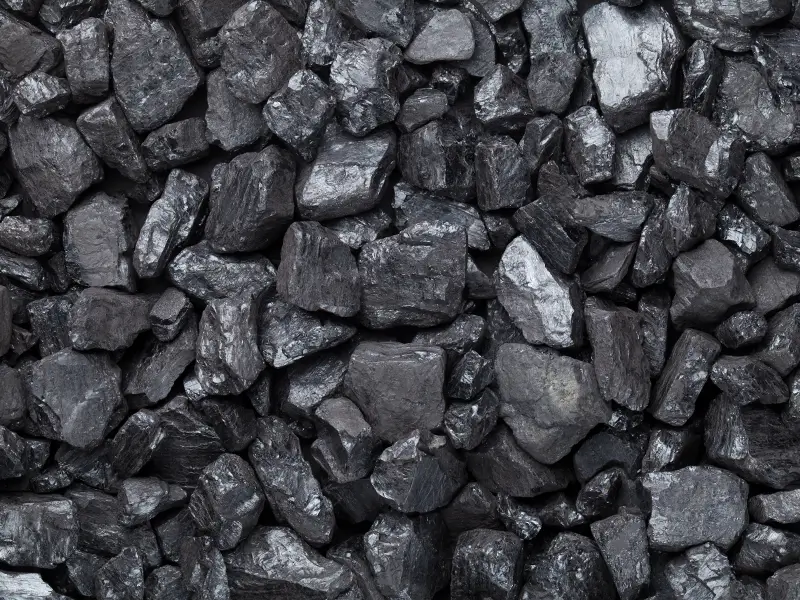
Charbon actif à base de charbon
  • Indice d'iode : 700-1200 mg/g
  • Surface : 700-1200 m²/g
  • Densité apparente : 300-650 kg/m³
  • Indice d'iode : 700-1200 mg/g
  • Surface : 700-1200 m²/g
  • Densité apparente : 320-550 kg/m³
  • Méthode d'activation : Activation par vapeur/gaz à haute température
  • Structure des pores : Dominée par les micropores, distribution uniforme des pores
  • Profil environnemental : Sans produits chimiques, faible teneur en cendres
  • Applications principales : Adsorption en phase gazeuse, purification de l'eau potable
  • Méthode d'activation : Activation chimique (par exemple, H₃PO₄/ZnCl₂) à des températures modérées.
  • Structure des pores : Riche en mésopores, surface plus élevée
  • Efficacité du processus : Temps d'activation plus court, rendement plus élevé 30-50%
  • Post-traitement : Lavage à l'acide nécessaire pour éliminer les résidus
  • Fonctionnalisation : Chargé d'agents actifs (par exemple, I₂/Ag/KOH)
  • Adsorption ciblée : Amélioration de la capture de polluants spécifiques (par exemple, Hg⁰/H₂S/gaz acides).
  • Personnalisation : Optimisation chimique pour les contaminants ciblés
  • Applications principales : Traitement des gaz industriels, protection CBRN

Pourquoi vous avez besoin de notre charbon actif

choice(1)

High Adsorption Efficiency:

Optimized pore structure in activated carbon ensures rapid, efficient adsorption of toxic gases and hazardous vapors.

Customized Impregnation Technology:

Special chemical impregnation treatments enhance activated carbon performance for efficient removal of acid gases and hazardous compounds.

Excellent Humidity Resistance:

Maintains stable activated carbon adsorption performance even under high humidity and harsh industrial environmental conditions.

Extended Service Life:

High adsorption capacity and durable activated carbon structure reduce replacement frequency and overall operational costs effectively.

les communications

Reliable Protection Performance:

Consistent activated carbon adsorption performance ensures reliable safety protection in critical and hazardous industrial conditions, effectively removing toxic gases, organic vapors, and harmful airborne contaminants.
Processus et technologie

1.Complex Multi-Component Industrial Environments

Aperçu de la solution

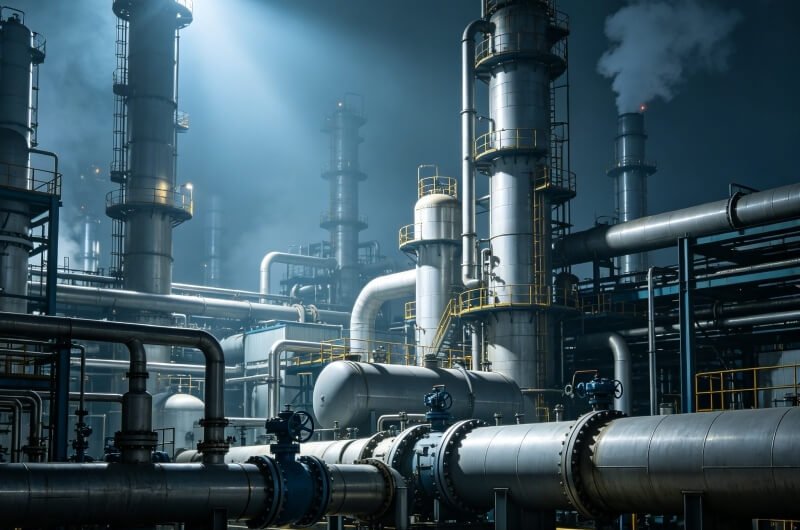
Used in industries where multiple gases coexist, such as petrochemical plants and manufacturing facilities, requiring broad-spectrum adsorption and reliable respiratory protection.

Principaux avantages

2. Chemical Warfare Agents / Highly Toxic Gases

Aperçu de la solution

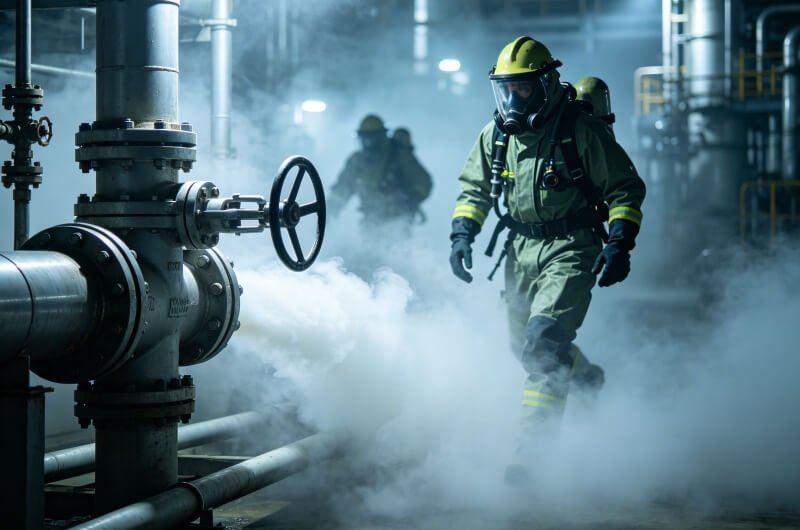
Engineered for protection against extremely toxic gases and chemical warfare agents, utilizing advanced activated carbon technology to ensure rapid adsorption, efficient filtration, and effective neutralization in critical emergency, industrial safety, and military scenarios.

Principaux avantages

3. High-Concentration Acid Gas Pollution

Aperçu de la solution

Optimized for environments with high concentrations of acid gases such as sulfur dioxide and hydrogen sulfide, using impregnated activated carbon to ensure efficient adsorption, enhanced removal efficiency, corrosion protection, and reliable air purification performance in demanding industrial applications.

Principaux avantages

4.Organic Solvent Vapors

Aperçu de la solution

Widely applied in environments with high VOC concentrations, such as painting, coating, and chemical processing industries, where activated carbon effectively adsorbs solvent vapors, reduces emissions, improves air quality, and protects worker health and safety.

Principaux avantages

Blog connexe

Qu'est-ce que le masque de charbon actif ?
Lire la suite
Retour en haut

Obtenir une demande de renseignements

Nom