



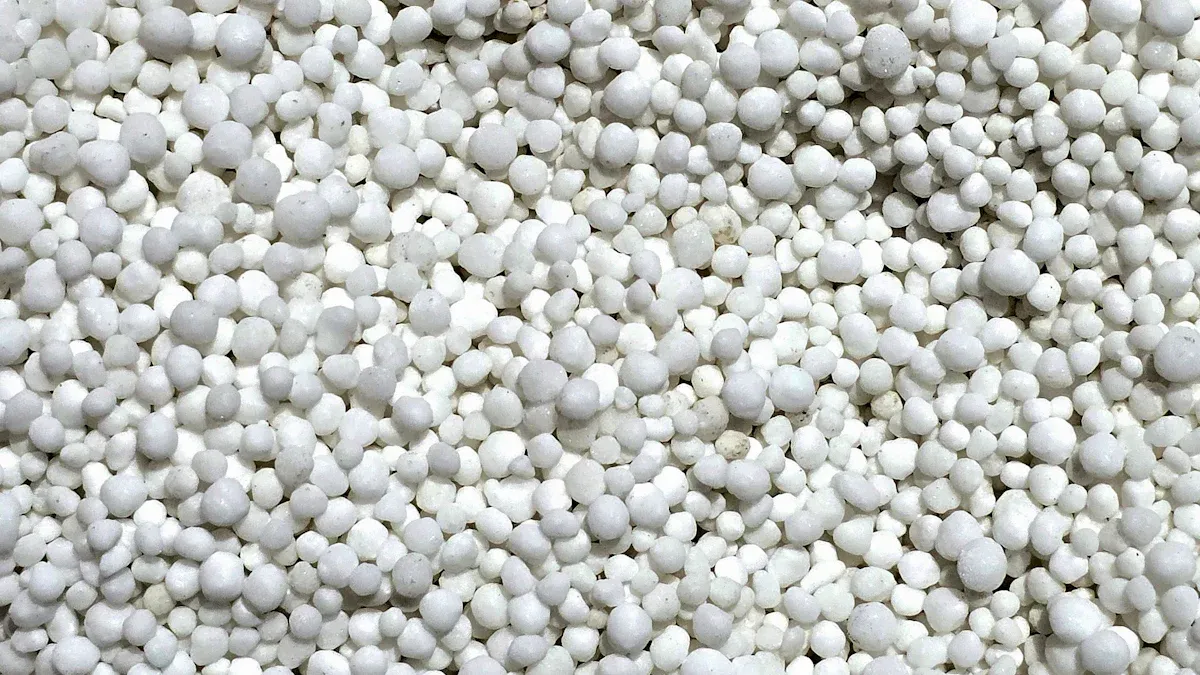
You may ask if a 調湿剤 pack is dangerous at home. Most types, like silica gel and natural clay, are safe and not poisonous if swallowed. Companies use clay desiccant packs because they do not make dust, do not cause rust, and are safe. You can trust these products to be safe. But some packs have cobalt chloride, and these can be risky. Desiccant packs are safe for most things. Still, keep them away from kids and pets so they do not choke.
要点
Most desiccant packs, like silica gel, are safe to eat by accident. They are not poisonous if swallowed.
Always keep desiccant packs away from kids and pets. This helps stop choking accidents.
シリカゲル can soak up a lot of water. It can hold up to 37% of its weight in water. This helps keep things dry.
Look for ‘Do Not Eat’ labels on the packs. This warning is about choking, not poison.
Cobalt chloride packs are dangerous. Do not use them near food or medicine.
If someone eats a desiccant pack, watch for choking or stomach pain. Get medical help if needed.
Store desiccant packs in airtight containers. This keeps them working and stops them from getting wet.
Throw away desiccant packs the right way. Check local rules for how to do this safely.
What Is a Desiccant Pack?
A desiccant pack keeps things dry. You see these small packets in shoe boxes, electronics, and medicine bottles. Their job is to soak up water from the air. This stops water damage, mold, and rust. Desiccants are hygroscopic. They pull water from the air. This makes the area around your stuff dry.
一般的な用途
Desiccant packs are used in many places. They keep products safe when shipping or storing. Here are some ways they help:
Shoe boxes use them to stop mold.
Electronics stay dry with these packs.
Medicine bottles have them to keep pills safe.
Food packaging uses them to keep snacks fresh.
Military and aerospace companies use them for equipment and supplies.
産業 | 目的 |
|---|---|
自動車 | Stops rust and water damage to metal parts when stored or shipped. |
Pharmaceutical | Controls humidity so drugs do not go bad and keeps ingredients working. |
ケミカル | Protects chemicals from water and keeps sensitive products stable. |
Laboratory | Keeps moisture low for good test results and saves delicate materials. |
Military and Aerospace | Stops water damage to gear, medical supplies, and ammo so everything works. |
Cosmetics | Keeps products strong and fresh by stopping water damage in packages. |
Silica Gel Explained
Silica gel is the most used material in desiccant packs. You find silica gel packets in lots of products. Silica gel is made from silicon dioxide. It looks like tiny beads or crystals. These beads have lots of surface area. This helps them soak up lots of water. Silica gel can hold up to 37% of its weight in water. You can reuse silica gel by heating it to dry it out. Scientists tested silica gel and found it works well in different humidity. You can trust silica gel to keep things dry.
Other materials in desiccant packs are:
Activated charcoal
Calcium sulfate
Calcium chloride
Molecular sieves
Different clays
Each type soaks up water and protects your stuff.
Why ‘Do Not Eat’ Is Printed
You always see “Do Not Eat” on silica gel packets. These warnings help keep you safe. The packets are not food. You should never eat them. The warning is mostly for choking. Kids and pets might put them in their mouths. Some packs have chemicals that can hurt you if swallowed. Laws say companies must print warnings. You also see first aid and disposal instructions. Always follow these warnings. Keep desiccant packs away from kids and pets.
Tip: If you find a loose desiccant pack, throw it away safely. Do not leave it where someone could think it is food.
Desiccant Pack Toxicity
Silica Gel Safety
You see silica gel packs in many packages. They keep shoes, electronics, and food dry. Some people worry if silica gel is dangerous. You do not need to worry. Silica gel is safe and does not react with your body. If you eat a little, it will usually pass through you. It does not poison you. You might feel sick, throw up, or have stomach pain. Eating a lot can block your insides. The biggest danger is choking. This is a problem for kids and pets.
Silica gel does not change inside your body.
Eating a lot can make you feel sick.
Swallowing many beads can block your stomach.
Keep silica gel away from kids and animals.
Note: Silica gel is safe, but do not eat it. Always remember it can cause choking.
Cobalt Chloride-Coated Packs
Some silica gel packs have cobalt chloride. These packs are blue or pink. Cobalt chloride shows when the pack needs to be changed. This chemical is not safe. Eating cobalt chloride can make you sick. You may throw up or feel sick. Scientists say cobalt chloride might cause cancer. Do not touch or eat these packs.
Cobalt chloride can make you sick if swallowed.
You may throw up or feel sick.
This chemical can cause health problems later.
Keep cobalt chloride packs away from food, kids, and pets.
Type of Silica Gel | Color | 毒性レベル | Health Risk |
|---|---|---|---|
スタンダード | Clear/White | Nontoxic | Choking, mild stomach upset |
Cobalt Chloride | Blue/Pink | Toxic | Nausea, vomiting, cancer risk |
Tip: If you see a blue or pink silica gel pack, do not use it near food or medicine.
Other Desiccant Materials
You may see other desiccant materials in packs. These are activated charcoal, clay, rice, and baking soda. Most are safe and not poisonous. Activated charcoal soaks up water and removes smells. Clay is natural and safe. Rice and baking soda also soak up water. Some packs use metal-organic frameworks (MOFs). MOFs have special chemicals and can kill germs. MOF safety depends on their type and use.
Activated charcoal keeps food fresh and removes smells.
Clay is natural and safe.
Rice and baking soda soak up water.
Some packs use iron, iron oxide, sodium chloride, and calcium hydroxide. Studies show these are safe for food.
Temperature and humidity can change how packs work and how safe they are.
Watch out for packs with chemicals that can damage metal. These can cause rust and hurt metal things. Touching them may burn or bother your skin. Throwing them away wrong can hurt nature.
Callout: Always read the label on a desiccant pack. If you do not know what is inside, keep it away from food, kids, and pets.
素材 | 毒性 | Common Use | Risks |
|---|---|---|---|
シリカゲル | Nontoxic | Food, electronics | Choking, mild stomach upset |
Activated charcoal | Nontoxic | Food, odor removal | Minimal |
クレイ | Nontoxic | パッケージング | Minimal |
米 | Nontoxic | Moisture absorption | Minimal |
Baking soda | Nontoxic | Moisture absorption | Minimal |
Cobalt chloride | Toxic | Indicator in packs | Nausea, vomiting, cancer risk |
MOFs | 変動あり | Advanced desiccants | Antimicrobial, possible toxicity |
Always handle desiccant packs carefully. Store them safely and throw them away the right way. This helps keep you and nature safe.
Risks of Ingesting Desiccant Silica Gel
窒息の危険
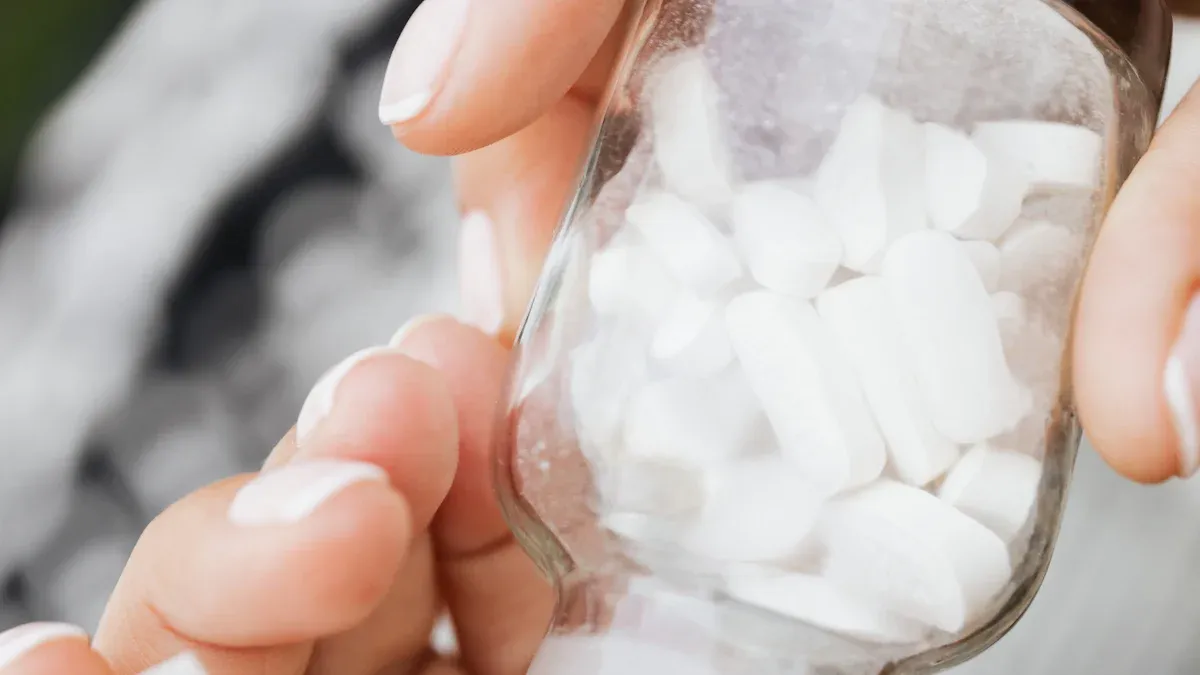
If someone swallows a desiccant pack, choking is the biggest risk. Silica gel packets are small and can get stuck in your throat. This is most dangerous for kids and pets. In 2010, poison centers got 33,705 calls about desiccant exposure. Almost 89% of these cases were kids under six years old. Choking is the main problem, not poisoning. If someone chokes on silica gel, get help right away.
Tip: Always keep desiccant packs away from kids and pets so they do not choke.
Upset Stomach and Other Symptoms
If you eat silica gel, you might feel sick. It is not usually poisonous, but it can cause mild problems. You could have an upset stomach, bloating, or diarrhea. Pets might vomit, stop eating, or whine. Bad stomach pain is rare, but watch for it. If diarrhea lasts a long time, you could get dehydrated. Most people get better on their own, but call a doctor if you feel very sick.
Here is a table showing common symptoms after eating silica gel:
症状 | 説明 |
|---|---|
Upset stomach | Happens often after eating silica gel. |
下痢 | Seen a lot in kids and pets. |
Appetite loss | Pets may stop eating after swallowing it. |
Bloating | Can mean your stomach is upset. |
Dehydration | Can happen if diarrhea is bad. |
Hunching | Shows pets are uncomfortable. |
Vomiting | Pets might throw up. |
Whining | Pets may whine if they feel bad. |
If you or your pet eats a desiccant pack, watch for these signs. Most people do not need a doctor, but get help if things get worse.
Risks for Children and Pets
Kids and pets are at higher risk if they eat silica gel. Kids might think the packet is candy or a toy. Pets might think it smells like food. Both can choke or get a blockage if they eat a lot. Adults can choke too, but it happens less. Pets may vomit or act like they hurt. Studies show silica gel is not poisonous, but eating a lot can make you sick.
Here is a table comparing risks for different groups:
Group | Risks of Ingestion | 備考 |
|---|---|---|
Children | Might think packets are food or toys; can choke; can get a blockage if they eat a lot. | Kids are more likely to eat silica gel by mistake. |
Adults | Might think packets are salt or sugar; can choke. | Adults do not eat silica gel as much but can still choke. |
Pets | Might vomit or feel sick if they eat packets; not usually poisonous. | Pets might eat silica gel because it smells like food. |
If your child or pet eats silica gel, watch for vomiting, bad stomach pain, or trouble breathing. Call your doctor or vet if you see these problems.
注: Eating silica gel is not usually dangerous, but choking and stomach problems can happen. Always keep desiccant packs away from kids and pets.
Contact Risks: Skin and Eyes
Skin Exposure
You might wonder what happens if you touch a desiccant pack. Most packs have silica gel, clay, or 活性炭. These materials do not usually hurt your skin. Sometimes, touching silica gel can make your skin feel itchy or turn red. This happens more if your skin is sensitive or if you touch the packs for a long time.
Touching silica gel can make your skin itchy.
Your skin might turn red after contact.
If your skin turns red or feels sore, wash your hands with soap and water. Do not rub your eyes or face after touching a desiccant pack. If you have cuts or scrapes, keep desiccant materials away from them. Most people do not have problems, but you should be careful when handling these packs.
Tip: If your skin feels itchy after touching a desiccant pack, rinse with cool water and use a gentle lotion.
Eye Exposure
You might worry if silica gel gets in your eyes. This can happen if you open a packet and dust comes out. If silica gel gets in your eyes, you may feel pain or discomfort. The dust can make your eyes feel scratchy or watery. Your eyes might turn red. Do not rub your eyes if this happens.
ソース | Health Effect |
|---|---|
Fisher Scientific – MSDS | Dust may cause mechanical irritation. |
Your eyes can get irritated if dust stays inside.
If silica gel gets in your eyes, rinse them with clean water for a few minutes. Blink a lot to help get the dust out. If your eyes still hurt or look red, ask a doctor for help. Most people feel better soon, but do not ignore eye pain.
Note: Always wash your hands before touching your face or eyes, especially after handling desiccant packs.
Allergic Reactions
Allergic reactions to desiccant packs do not happen often. Most people do not have problems, but some may get mild skin irritation. Very rarely, someone could have a strong reaction. Signs include itching, redness, swelling, hives, or trouble breathing. If you notice these signs, get medical help right away.
Reactions can be mild or very serious.
Signs include itching, redness, swelling, trouble breathing, and hives.
Watch for any strange symptoms after touching desiccant packs. If you have allergies or sensitive skin, wear gloves when handling these materials. Most people stay safe by being careful.
Callout: If you have trouble breathing or see swelling after touching a desiccant pack, get emergency help.
When to Seek Medical Attention
After Ingestion
If you or someone else eats a desiccant pack, watch for signs that need a doctor. Most silica gel packs do not poison you, but choking or stomach pain can happen. Kids and pets are more at risk because they might choke or eat more than adults. Call poison control if you see choking, lots of vomiting, or stomach pain. Poison control will tell you what to do next.
Doctors say you should do things to stop accidents. Make sure desiccant packs look different from medicine. Some companies use bright colors or special shapes so you do not mix them up with pills. Some packs are stuck inside bottles so you cannot eat them by mistake. Pharmacists teach people about the risks and where desiccant packs are in medicine bottles.
Go to the doctor if you see these emergency signs after eating a desiccant pack:
Choking, especially in kids or pets.
Feeling sick, throwing up, or stomach pain.
Blue or pink beads, which may have cobalt chloride.
Throwing up many times or not able to eat.
Stomach pain or trouble going to the bathroom.
If you see any of these problems, get help from a doctor right away. Do not wait if someone is choking or cannot breathe. Acting fast can stop a serious emergency.
After Skin or Eye Contact
You might touch a desiccant pack or get dust on your skin or in your eyes. Most silica gel, clay, or activated charcoal packs do not cause big problems. You might feel itchy or have mild irritation. If dust gets in your eyes, it can scratch and bother them. Wash your hands with soap and water after touching desiccant packs.
First aid steps for skin or eye contact are:
Eyes: Rinse with clean water for 15 minutes. Blink a lot to help get dust out. If your eyes still hurt, go to the doctor.
Skin: Wash with soap and water. Use gentle lotion if your skin feels dry or itchy. If your skin gets worse, see a doctor.
The table below shows what to do for each type of exposure:
症状 | |
|---|---|
Eye Contact | Rinse eyes with lots of water for 15 minutes; go to the doctor if your eyes still hurt. |
Skin Contact | Wash with soap and water; put lotion on irritated skin; go to the doctor if your skin gets worse. |
Inhalation | Go outside for fresh air; see a doctor if breathing is hard. |
Get emergency help if you have trouble breathing, swelling, or very red skin after touching a desiccant pack. Poison control can help if you do not know what to do.
Emergency Signs
You need to know when you have a medical emergency. Watch for these signs after touching or eating desiccant packs:
Choking or trouble breathing.
Bad stomach pain or vomiting that does not stop.
Blue or pink silica gel beads, which may have dangerous chemicals.
Swelling, hives, or trouble breathing after skin or eye contact.
Trouble going to the bathroom.
If you see any of these signs, get emergency help right away. Do not wait for things to get worse. Acting fast can save lives. Call poison control if you have questions or need help.
Tip: Keep the poison control number at home. You might need it one day.
Safe Handling and Disposal
Storage Tips
You can keep your desiccant packs working well by storing them the right way. If you want to prevent moisture from ruining your supplies, follow these steps:
Keep desiccants sealed in airtight containers. This stops them from soaking up water before you need them.
Store them in cool, dry places. Heat and humidity can make desiccants activate too soon.
Open packaging only when you are ready to use the pack. Reseal any unused packs right away.
Check each pack for tears or holes before using it. Damaged packs may not work.
Use older packs first. This helps you avoid using packs that have lost their power.
Make sure packs are packed tightly when shipping. This keeps moisture out during transit.
Tip: If you keep desiccant packs in a drawer or cabinet, use a labeled container. This helps you find them quickly and keeps them safe from accidental exposure.
Disposal Guidelines
When you finish using a desiccant pack, you need to throw it away the right way. The rules for disposal can change depending on the type of desiccant you have. Silica gel packs usually go in regular trash. If you use calcium chloride packs, you may need special handling. If a pack has touched hazardous materials, treat it as hazardous waste.
Check what type of desiccant you have before disposal.
If the pack is contaminated, follow hazardous waste rules.
Look up local laws for disposal. Some places have special rules for chemicals.
Here is a table to help you decide how to dispose of different desiccants:
Type of Desiccant | Disposal Method | Special Notes |
|---|---|---|
シリカゲル | Regular trash | Safe for most households |
Calcium Chloride | Special handling | Check local guidelines |
Contaminated Packs | Hazardous waste | Follow safety regulations |
Note: Always read the label on your desiccant pack before throwing it away. If you are not sure, ask your local waste service.
子供やペットから遠ざける
必要なのは keep desiccant packs away from children and pets. Kids may think the packs are candy or toys. Pets may be attracted to the smell. You can prevent accidents by following these tips:
Store all desiccants out of reach of children.
Keep packs in places where pets cannot get them.
Watch babies and young children closely. They often put things in their mouths.
Do not leave used packs lying around after opening a package.
Callout: If you drop a desiccant pack, pick it up right away. This simple step can stop choking accidents and keep your home safe.
You can keep your family and pets safe by following these storage and disposal tips. When you handle desiccants with care, you protect everyone in your home.
Myths About Desiccant Packs
Toxicity Misconceptions
You might see “do not eat” on desiccant packs. Some people think this means the pack is poisonous. This is not true for most packs. Many people believe these packs have dangerous chemicals. Most desiccant packs, like silica gel, are not poisonous. Health experts say choking is the main risk. Poisoning is not the biggest problem. Some packs use dye to show when they need changing. The risk from these dyes is very low.
Here are some myths you might hear:
The “do not eat” label means the pack is very poisonous.
All desiccant packs have harmful chemicals inside.
Eating one bead will make you very sick.
Every desiccant pack is unsafe for your home.
Most desiccant packs use safe materials. Silica gel, activated charcoal, clay, and molecular sieves are safe. The warning label is there to stop choking or confusion with food. It does not mean the pack is always dangerous.
Note: The biggest danger is swallowing the packet or beads. This is a bigger problem for kids and pets.
Safety Facts
Most desiccant packs at home are safe if you use them right. Scientists test these products to make sure they are safe. Agencies like the FDA have rules for safety. Silica gel is the most common desiccant. It has a special safety status.
Here is a table with safety facts:
Safety Fact | 説明 |
|---|---|
GRAS Status | Silica gel is called Generally Recognized as Safe (GRAS) by the FDA for food packaging. |
Ingestion Warning | Silica gel packets are not for eating. Take them out before you eat food. |
Chemical Additives | Some silica gel packs have chemical additives. These can be risky. |
Always take desiccant packs out of food packages before eating. If you see blue or pink beads, keep them away from food and kids. These colors may mean the pack has a chemical indicator. Most silica gel beads are not as risky as silica dust. Breathing in silica dust can hurt your lungs. Choking is the main concern, not poisoning.
Tip: Always read the label and follow instructions on desiccant packs. This helps keep you and your family safe.
Most desiccant silica gel packs are not poisonous. You should treat them as a choking risk. Stay calm if there is an emergency. Act fast to help. Always keep packs away from kids and pets. This stops emergencies from happening. If someone eats or touches a pack and gets sick, get medical help right away. The table below explains why silica gel is safe:
証拠タイプ | 説明 |
|---|---|
Non-toxic Nature | Silica gel is not poisonous. The ‘Do Not Eat’ label helps stop accidents. |
Compliance with Standards | Silica gel follows FDA and EFSA food safety rules. |
Safety Protocols | HACCP and GMP use silica gel to control moisture and keep things safe. |
Here are some tips to help you stay safe:
Use packs the way the instructions say.