



使用农用活性炭可以让土壤变得更好。这种材料能帮助土壤长时间保持养分。它能使土壤保持坚固,并帮助有益微生物生长。活性炭还能 去除重金属等有害物质 和二恶英。研究表明 降低植物对铜和锌的吸收量. .这将使您的作物更安全、更健康。. 土壤活性炭 保护作物,延长耕作时间。通过这些改变,您可以获得更多的作物和更健康的植物。.
主要收获
农用活性炭通过保持养分和帮助有益微生物来帮助土壤。使用活性炭可以减少土壤中的重金属和农药等有害物质。这让农作物吃起来更安全。将活性炭与有机物混合可使土壤变得更好。它能帮助土壤保持水分,为植物提供更多养分。不同种类的活性炭有不同的作用。选择适合您的土壤和作物的种类。经常使用活性炭可以长期帮助土壤。它可以让土壤中的有机物更多,保持更多水分。先在一小块地方使用活性炭,看看效果如何。在农场各处使用之前先这样做。将农场废弃物转化为活性炭和生物炭可以减少污染。它还有助于农场长期保持健康。含有活性炭的良好土壤能培育出更强壮的植物,获得更大的收成。它还能使农场更强大,抵御各种问题。.
农业活性炭概述
定义
您使用 农业活性炭 来帮助土壤和作物。这种特殊的活性炭来自农场废弃物或残羹剩饭。人们在很多农活中都会用到它。农民将其作为杀虫剂添加。他们还将其混入动物饲料中,用来清洁物品。酿酒师用它来清洗葡萄汁,去除他们不想要的颜色。它 帮助桉树苗等植物更好地生长. 农业活性炭 与普通活性炭不同。它的作用是保持土壤健康和作物安全。.
小贴士 如果在土壤中添加活性炭,植物就能生长得更快。许多园艺家看到植物的根系更强壮,叶子更翠绿。.
类型
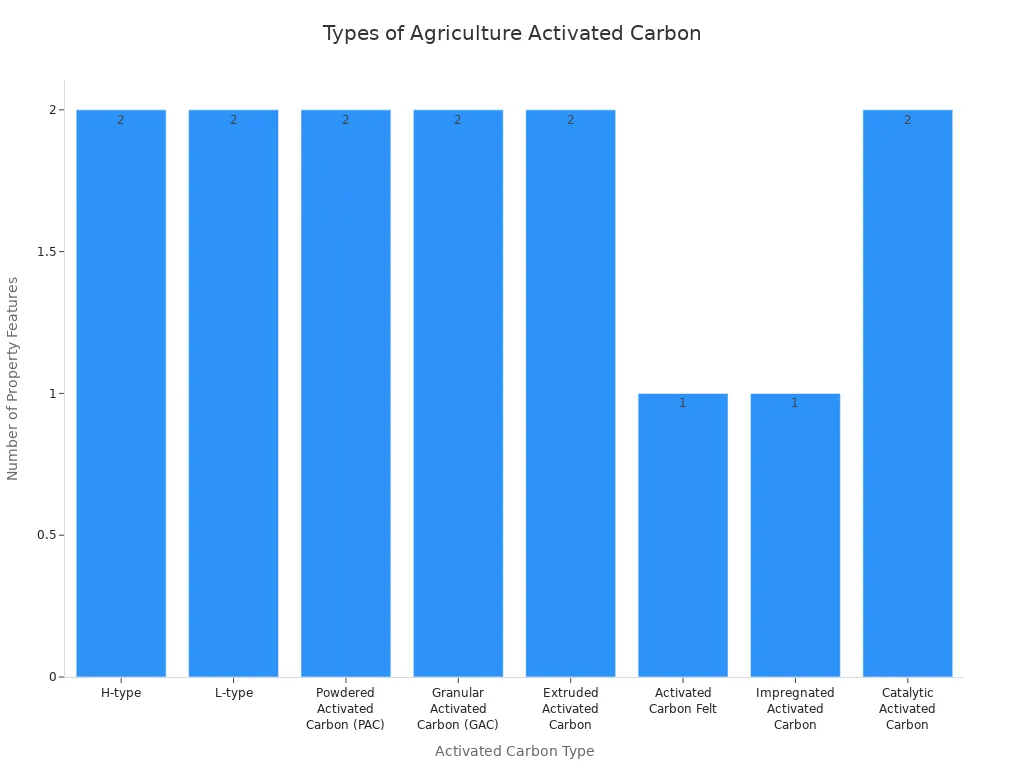
您可以选择多种类型的活性炭。每种类型都适用于不同的工作。. 下表显示了主要类型, 它们是什么样的,人们如何使用它们:
活性炭类型 | 属性 | 应用 |
|---|---|---|
H 型 | 正电荷,疏水性 | 水处理、重金属去除 |
L 型 | 带负电荷,亲水性 | 中和碱,水处理 |
粉末活性炭 | 颗粒细,表面积大 | 液体和气体处理 |
颗粒活性炭 | 颗粒小,易于回收 | 床式反应器、土壤过滤器 |
挤压活性炭 | 圆柱形,粉尘少 | 连续流系统 |
活性碳毡 | 毡状结构 | 定制过滤 |
浸渍活性炭 | 增强吸附 | 有针对性地清除污染物 |
催化活性碳 | 促进化学反应 | 加快反应速度 |
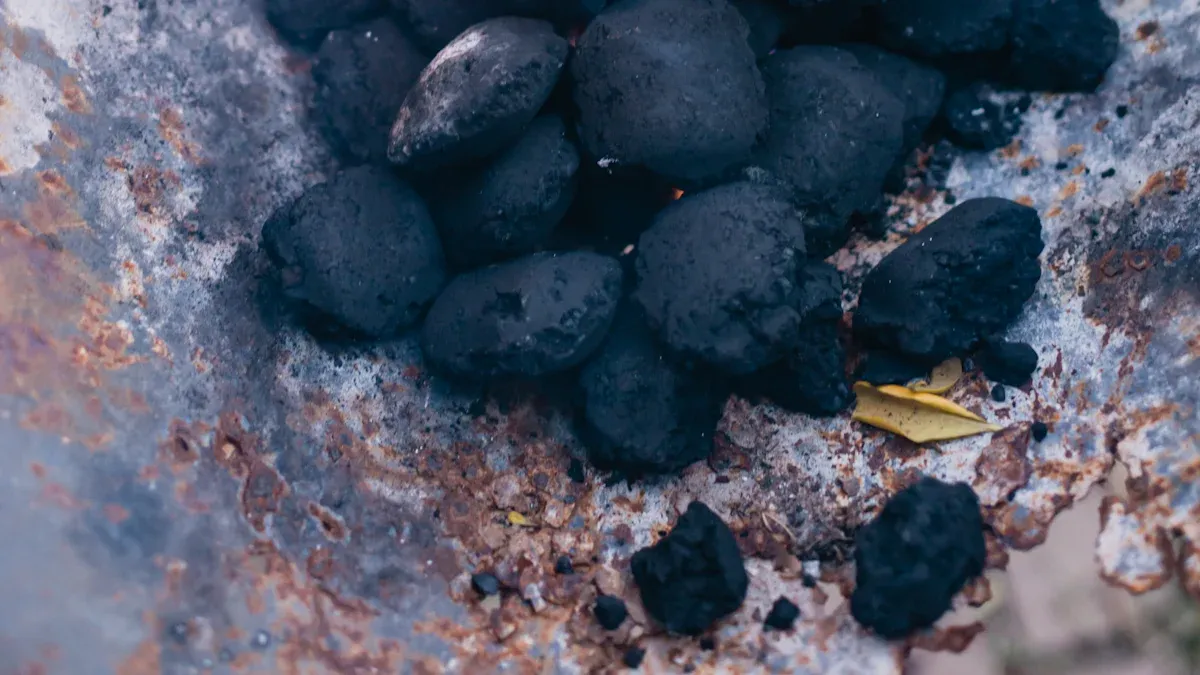
您可能也听说过生物炭。生物炭就像活性炭,但它来自植物材料的燃烧。人们用生物炭来改善土壤、保持养分并帮助有益微生物。农民用农场废弃物制造生物炭。这对于长期耕作来说是明智之举。.
请注意: 粉末状活性炭能很好地与土壤混合。颗粒状活性炭易于取出并再次使用。.
生产
你可以 制活性炭 从许多农场剩余物中提取。农民使用贝壳、种子和植物废料。制造活性炭主要有两种方法:
化学活化: 将草莓种子浸泡在醋酸中。然后将其加热至 600 °C 两小时。这样制成的活性炭可以很好地抓住东西。.
物理激活: 将开心果壳在 400 °C 下加热。然后在 800 °C 下用二氧化碳气体再次加热。这样就制成了带有小孔的活性炭。.
生物炭的制造方法与此类似。您可以在高热、氧气稀薄的条件下焚烧农场废弃物。这样就制成了生物炭。将生物炭添加到土壤中,可以帮助土壤粘合并保持养分。.
小贴士 您可以利用农场废弃物制造生物炭或活性炭。这样既能省钱,又能保护地球。.
两者 农业活性炭 和生物炭有助于土壤保持健康。您可以根据自己的农场或花园选择最佳类型和制作方法。.
活性炭的特性
孔隙率
活性炭就像海绵 有很多小孔。这些小孔对土壤有很多帮助。添加活性炭后,水和空气在土壤中的流动会更顺畅。植物能获得更多水分和氧气。根系生长得更深更强壮。土壤保持疏松透气。孔隙有助于在土壤干燥时保持水分。这样植物就不会很快干枯。.
小贴士 如果土壤坚硬或干燥,活性炭可以帮助土壤保持水分和松软。.
下面的表格显示 重要的物理和化学特性 使活性炭在土壤中发挥作用:
物业 | 说明 |
|---|---|
高 pH 值 | 有助于缓解土壤酸化。. |
营养成分 | 为土壤提供必需的养分。. |
污染物吸附能力 | 增强土壤保持和过滤污染物的能力。. |
丰富的孔隙结构 | 提高土壤的保水性和通气性。. |
比表面积大 | 增强与土壤成分的相互作用,提高养分的可用性。. |
稳定的物理化学特性 | 确保长期有效地改善土壤健康。. |
表面官能团的丰富性 | 支持土壤中的各种生化过程,促进微生物的活动和多样性。. |
吸附
活性炭就像一块磁铁,能吸附营养物质和污染物。它能吸附氮、磷和钾等植物养分。这样,养分就能在土壤中保留更长时间。植物会在需要时使用它们。活性炭还能吸附重金属和杀虫剂等有害物质。这可以保护农作物,保持土壤清洁。.
通过氮转化,帮助土壤氮循环。.
通过阳离子吸附,可以提高土壤保持养分的能力。.
您可以帮助土壤储存更多的碳,减少养分流失。.
下表显示 活性炭如何帮助土壤健康:
效益/财产 | 说明 |
|---|---|
营养吸收 | 吸收养分,减少流失,提高肥料利用率。. |
污染物清除 | 吸收有害物质,保护作物和环境。. |
改善土壤结构 | 增强土壤的物理特性,提高透气性和保水性。. |
促进作物生长 | 提高苗高、根长和作物产量。. |
支持微生物生长 | 为有益微生物创造良好的环境。. |
化学特性
活性炭具有 特殊化学特性 对土壤有帮助。它的 pH 值高,可以平衡酸性土壤。它能为植物提供养分。表面有许多功能基团。这些基团有助于土壤反应并支持有益微生物。.
您可以看到 下表所列的一些化学效应:
特点 | AAC 效果(%) |
|---|---|
土壤 pH 值降低 | 3.52 - 4.71 |
氨基甲酸乙酯减少 | 45.2 - 71.4 |
增加可用 P | 117.5 - 25.9 |
可萃取锌的增加 | 42.0 - 52.2 |
Increase in B | 111.4 – 46.2 |
Increase in Fe | 59.5 – 34.4 |
Using activated carbon helps soil hold nutrients and remove toxins. It supports healthy plant growth. It also makes a better home for helpful microbes. This makes soil healthier.
活性炭的优点
Nutrient Retention
You want your plants to use all the fertilizer. Activated carbon helps by holding nutrients in the soil. It acts like a sponge when you add it. It grabs nitrate nitrogen, ammonium nitrogen, and phosphorus. This means less nutrient loss from water washing it away. Plants can use these nutrients when they need them.
You also make fertilizer work better. Activated carbon keeps nutrients near the roots. This lets you use less fertilizer and save money. It also stops extra nutrients from polluting water.
Here is a table that shows how activated carbon helps soil keep nutrients and stay healthy:
证据说明 | 调查结果 | 影响 |
|---|---|---|
Nutrient loss rate comparison | Activated carbon helps soil keep more nutrients, so less nitrate nitrogen, ammonium nitrogen, and phosphorus are lost. | Plants get more nutrients. |
Soil structure improvement | Activated carbon makes soil less dense and improves its structure. | Soil is healthier and plants grow better. |
Cation exchange capacity | Activated carbon’s negative charges help soil swap nutrients better. | Soil gives plants a steady supply of nutrients. |
Activated carbon does not just hold nutrients. It also makes soil better for plants. Using biochar or 农业活性炭 helps soil keep what plants need most.
小贴士 Mix activated carbon with your fertilizer. You might see greener leaves and faster growth.
Soil Structure
Good soil needs the right structure. Activated carbon and biochar help build this. When you add them, you put more organic matter in the soil. This makes soil lighter and roots can grow easier. Water moves better and plants get more air.
Activated carbon helps soil particles stick together. This makes strong soil clumps. These clumps stop soil from getting too hard. Roots can go deeper and find more water and food.
Here is a table that shows how activated carbon helps soil structure:
证据 | 说明 |
|---|---|
Soil organic matter enhancement | Adding activated carbon puts more organic matter in soil, which helps soil structure. |
Microbial activity promotion | Activated carbon helps good microbes grow, making soil clumps stronger. |
Improved soil aggregation | Better soil clumps mean more space for air and water, which helps keep nutrients in the soil. |
Activated carbon and biochar can also trap bad things in the soil. This makes soil safer for crops. This is important if your soil has pollution.
请注意: If your soil is hard or water sits on top, try adding activated carbon or biochar. You will get softer soil and better drainage.
Microbial Activity
Soil microbes are important for plant health. Activated carbon gives them a better place to live. When you add biochar or activated carbon, you feed good bacteria and fungi. These microbes break down old plants and give nutrients to your crops.
You also get more kinds of microbes in your soil. More types of microbes make soil healthier and plants stronger. Activated carbon helps keep soil wet and full of air, which microbes like.
Adding organic materials like activated carbon helps more microbes grow.
Active organic carbon gives energy to soil microbes and helps them grow.
Organic fertilizers change how much organic carbon is in the soil, which helps keep soil and microbes healthy.
You can use activated carbon to make soil better and help plants grow. It also helps clean up polluted soil by helping microbes break down bad stuff. This makes your soil and crops safer.
小贴士 Healthy soil smells nice and earthy. If your soil smells bad, add biochar or activated carbon to help it.
污染物清除
You want your soil to be safe for people and plants. 活性炭有助于去除 harmful things from soil. It can remove heavy metals, pesticides, and other bad chemicals. When you add activated carbon, your soil gets a strong way to clean itself.
Activated carbon has a lot of tiny holes and a big surface area. These help it trap and hold dangerous stuff. Think of activated carbon like a sponge that soaks up things you do not want in soil.
Activated carbon can grab heavy metals from water, so it can also help clean soil.
Its many pores and large surface area make it great at holding pollutants.
Biologically changed activated carbon can remove both heavy metals and organic pollutants, so it works for many kinds of pollution.
Sometimes soil has leftover pesticides or metals like copper and lead. These can hurt plants and get into food. Activated carbon helps lower these dangers. It locks up the bad things so plants cannot take them in.
小贴士 If you grow food where there was old pollution, adding activated carbon can make your crops safer to eat.
You can use activated carbon in gardens, fields, or pots. It helps keep plants and people safe. Cleaner soil means healthier plants and better harvests for you.
案例研究
Field Trials
Many field tests show how activated carbon helps crops. Scientists tried it on corn, wheat, and tomatoes. They put activated carbon in the soil. Then they checked how plants grew and how good the soil was. Corn got taller and had stronger roots. Tomato plants made more fruit. The soil held water better and kept more nutrients.
Here is a summary of some field trial results:
Crop | Result with Activated Carbon | Benefit for You |
|---|---|---|
Corn | Taller plants, strong roots | 更高的收益率 |
Tomato | More fruit, greener leaves | Better harvest |
Wheat | Improved soil structure | Healthier soil |
请注意: Field tests show you can grow more crops and get healthier plants by using activated carbon.
Farmer Experiences
Lots of farmers talk about using activated carbon. One farmer had soil that was not good. After using activated carbon, the soil got softer and held water better. Crops looked greener and grew faster. Another farmer saw fewer bugs and stronger roots. Some farmers use activated carbon to fix soil with too many chemicals. They say their vegetables taste better and last longer.
You can learn from these stories:
Try activated carbon on a small area first.
Look for changes in plant color and root growth.
Ask other farmers what happened when they used it.
Farmers often say, “My soil feels alive again!” after using activated carbon.
Research Highlights
Scientists keep studying how activated carbon helps soil. New studies show it traps heavy metals and pesticides. This keeps crops safer. Research also shows activated carbon helps more good microbes grow in soil. These microbes break down old plants and give nutrients to crops.
Some important research findings are:
Activated carbon makes soil structure and water holding better.
It lowers harmful chemicals in crops.
It helps keep soil microbes healthy.
Science shows activated carbon is good for soil health.
应用方法
Mixing
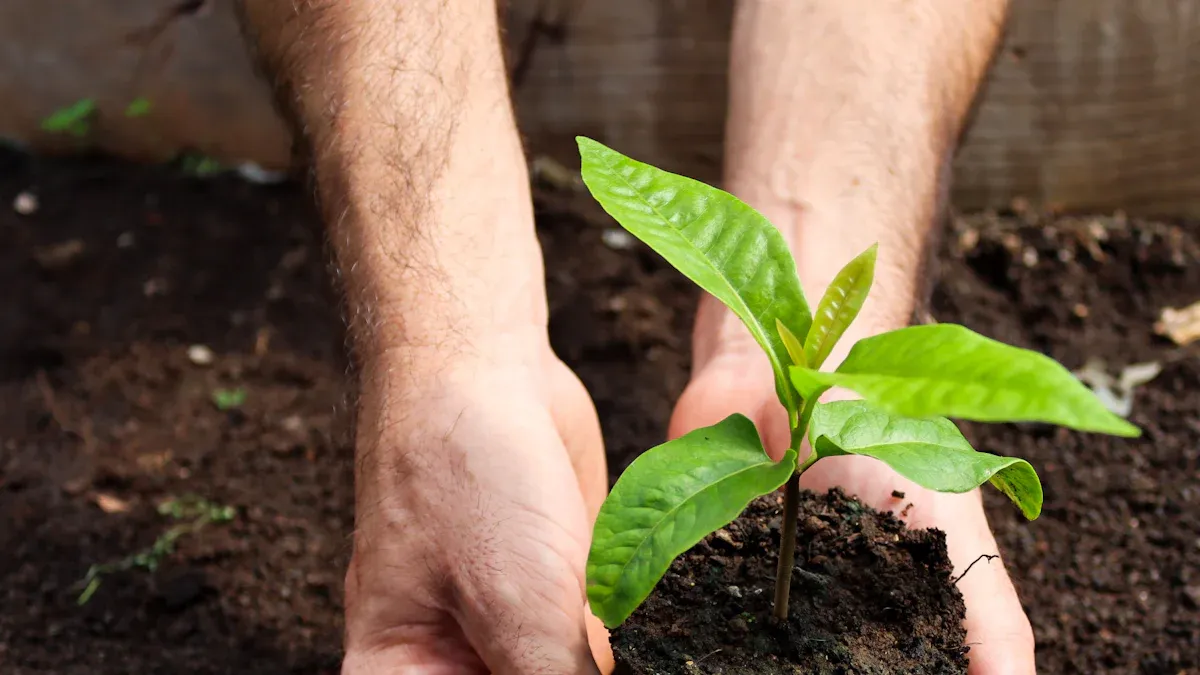
You can mix 活性炭 directly into your soil. This method works well if you want to improve soil health before planting. Start by spreading activated carbon evenly over the soil surface. Use a shovel or garden fork to blend it into the top 6 to 8 inches. You help the activated carbon reach plant roots this way. Mixing also lets you combine activated carbon with compost or other organic matter. This boosts the benefits for your plants.
小贴士 Always mix activated carbon with organic matter like compost or aged manure. This helps the soil hold more water and nutrients.
You can use this method in garden beds, raised beds, or even large pots. Mixing works best when you prepare new planting areas or refresh old ones. You give your plants a strong start by improving the soil’s structure and nutrient-holding power.
Top-Dressing
Top-dressing means you spread activated carbon on top of the soil. You do not dig it in. This method is easy and quick. You can use it for lawns, established gardens, or around trees and shrubs. Spread a thin layer of activated carbon over the soil. Water the area well so the carbon settles in.
Top-dressing works well when you want to boost soil health without disturbing roots. You can also add organic matter on top at the same time. Rain and watering will help move the activated carbon and organic matter deeper into the soil over time.
Use top-dressing for established plants.
Combine with mulch or compost for better results.
Repeat every few months for ongoing soil improvement.
Rates
You need to use the right amount of activated carbon for the best results. Too little may not help. Too much can waste money. The right rate depends on your soil type and what you grow.
Here is a simple guide:
Soil Type | Activated Carbon Rate | Organic Matter Addition |
|---|---|---|
Sandy Soil | 1-2 pounds per 10 sq ft | Add extra compost |
Clay Soil | 0.5-1 pound per 10 sq ft | Mix with organic matter |
Loamy Soil | 0.5-1 pound per 10 sq ft | Blend with compost |
You should always add 活性炭 with organic matter. This helps the soil stay healthy and supports good microbes. If you use compost, manure, or leaf mold, you increase the amount of organic matter in your soil. This makes the activated carbon work even better.
Remember: Test a small area first. Watch how your plants respond before treating a large space.
You can adjust the rates based on your results. Healthy soil has plenty of organic matter and good structure. Activated carbon helps you reach that goal.
Soil Types
You need to know your soil type before you add agriculture activated carbon. Each soil acts differently. Sandy, clay, and loamy soils all have their own needs. When you match your method to your soil, you get the best results.
Sandy Soil
Sandy soil drains water fast. It often loses nutrients quickly. You can fix this by adding activated carbon with plenty of organic matter. The carbon holds water and nutrients. Organic matter helps the soil stay moist and feeds your plants. You should mix both into the top layer. This keeps your plants from drying out and helps roots grow strong.
Clay Soil
Clay soil feels heavy and sticky. It holds water but can get hard and packed. Activated carbon helps break up the soil. It makes more space for air and water. When you add organic matter, the soil becomes softer and easier to work. You should mix activated carbon and organic matter deep into the clay. This helps roots spread and lets water move better.
Loamy Soil
Loamy soil is a mix of sand, silt, and clay. It is the best for most plants. You still get benefits from activated carbon. It helps keep nutrients in the soil and supports healthy microbes. Add organic matter to keep the soil rich. You can use less activated carbon in loamy soil, but always add some organic matter for balance.
Here is a table that shows how activated carbon changes nutrient levels in different soils:
Soil Type | Treatment | Effect on Soil Nutrients (P, K, Zn, B, Fe) | Maximum Increase (%) |
|---|---|---|---|
粘土 | 2% AAC | Significantly improved available P, K, Zn, B, Fe | 117.5 (P), 60.6 (K), 42.0 (Zn), 111.4 (B), 59.5 (Fe) |
Sandy Clay Loam | 2% BC | Significantly improved available P, K, Zn, B, Fe | 25.9 (P), 60.6 (K), 52.2 (Zn), 46.2 (B), 34.4 (Fe) |
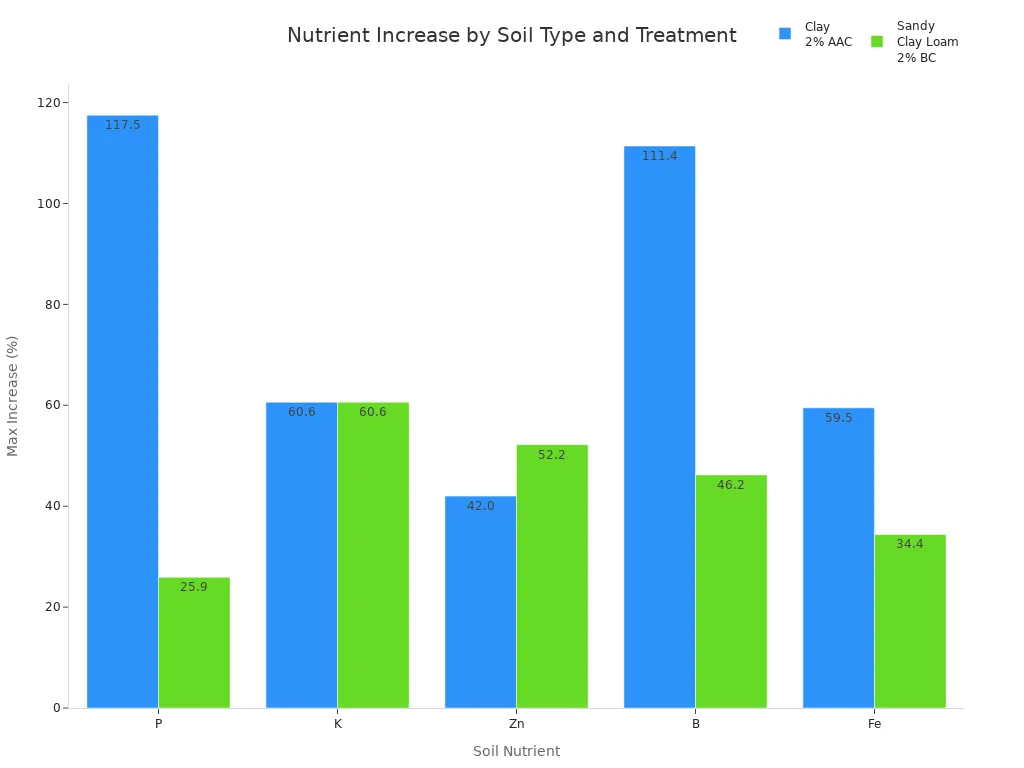
You see that clay soil gets the biggest boost in nutrients when you use activated carbon. Sandy clay loam also improves, but not as much. No matter your soil, always add organic matter with activated carbon. This keeps the soil healthy and helps the carbon work better.
Tip: Test your soil first. If you are not sure what type you have, squeeze a handful. Sandy soil falls apart. Clay sticks together. Loamy soil feels crumbly and soft.
You can improve any soil with the right mix of activated carbon and organic matter. Your plants will grow stronger, and your soil will stay healthy for years.
挑战
费用
You may notice that using agriculture activated carbon can cost a lot. Many farmers face high expenses when they try to improve their soil. You need to pay for soil sampling and lab analysis. These steps help you know how much carbon your soil can hold, but they are not cheap. Upfront costs for buying activated carbon and changing your farming methods can also be high. Sometimes, the money you get back from carbon credits does not cover what you spend. This makes it hard for you to start using activated carbon on a large scale.
Here is a table that shows some common cost challenges:
Challenge | 说明 |
|---|---|
High Costs | You pay a lot for soil tests and lab work. |
Limited Returns | Carbon credits often do not give enough money back to cover your expenses. |
Upfront Costs | You need to spend money before you see any benefits. |
小贴士 Start with a small area to test activated carbon before using it on your whole farm. This helps you manage costs and see results first.
兼容性
You need to check if activated carbon works well with your soil and crops. Not every farm or garden will get the same results. Some soils, like sandy or clay, may need different amounts of activated carbon. You also need to think about what crops you grow. Certain plants may respond better than others. If you use other soil amendments or fertilizers, you should make sure they do not react badly with activated carbon.
You may find it hard to measure how much carbon your soil stores.
You might not have clear guidance on how to use activated carbon for your land.
You may need to adjust your farming practices to get the best results.
If you are unsure, talk to local experts or extension agents. They can help you decide if activated carbon fits your soil and crops.
Long-Term Effects
You want to know what happens if you use activated carbon for many years. Studies show that repeated use can help your soil in several ways. You get more soil organic matter, which makes your soil healthier. Your soil stores more carbon, which helps fight climate change. You also see better moisture in your soil, which helps your crops grow.
Here is a table that shows some long-term effects:
Effect | 说明 |
|---|---|
You see a big increase, which helps your soil stay healthy. | |
Soil Organic Carbon (SOC) | Your soil stores more carbon for a long time. |
Soil Moisture Content | Your soil holds more water, which helps your crops during dry times. |
Control Andosol (CoA) | Soils without biochar do not show these benefits. |
Recommendation | Using biochar or activated carbon is good for soils with lots of Andosols. |
Over time, you help your soil stay rich and productive. You also support the environment by storing more carbon in your fields.
You may face some challenges, but with careful planning, you can make activated carbon work for your soil and crops.
可持续性
Waste Recycling
You can help the earth by using farm waste in smart ways. Farms make lots of waste like rice husks and stalks. In Taiwan, farms made 2.14 million tonnes of waste in one year. Burning or burying this waste hurts the land and air. There is a better way to use it. If you use pyrolysis, you change waste into biochar and activated carbon. These products go back into the soil and help crops grow. Recycling waste helps the economy and saves resources.
证据类型 | 说明 |
|---|---|
Agricultural Waste Statistics | Taiwan farms made 2.14 million tonnes of waste, showing there is a lot to recycle. |
Environmental Concerns | Burning or burying waste damages land and air, so we need better choices. |
Bio-based Circular Economy | Turning waste into useful products cuts down on trash and helps the planet. |
Pyrolysis Process | Pyrolysis changes plant waste into carbon materials, which can become activated carbon and help recycling. |
Recycling farm waste into biochar and activated carbon keeps soil healthy. It also lowers pollution and saves important resources.
环境影响
You help the environment when you add biochar and organic matter to soil. These materials help soil keep more carbon. This slows down climate change by trapping carbon in the ground. Biochar and organic matter also make soil better. They help soil hold water and nutrients. You use less fertilizer and water, which keeps rivers and lakes clean. Recycling farm waste means less burning and burying. This gives us cleaner air and land.
Tip: Soil with more organic matter and biochar grows more plants and animals. You help nature when you care for your soil.
未来趋势
More farms will use biochar and organic matter soon. People want new ways to recycle farm waste. Scientists are finding better ways to make biochar and activated carbon from leftovers. You may use smart tools to check how much carbon is in your soil. More farmers will join programs that reward healthy soil. New products will mix biochar, organic matter, and nutrients for better crops.
You can help farming become greener.
You can teach others about recycling and soil health.
You can help build a future with less waste and more crops.
You are important in making the world sustainable. Using biochar, organic matter, and recycled farm waste protects the earth and helps feed people.
When you use agriculture 活性炭 and biochar, you notice real changes. These materials make soil healthier and help crops grow better. They also protect the environment. Scientists found that more soil organic carbon makes soil richer and stronger. It helps soil stay healthy during dry times and bad weather. Look at the table below to see the main benefits:
益处 | 说明 |
|---|---|
Improved Soil Fertility | Soil organic carbon gives plants important nutrients. |
Resilience to Environmental Stress | More carbon helps soil handle drought and stress. |
Nutrient Cycling | Carbon helps move nutrients around in the soil. |
Soil Structure | More carbon makes soil easier to dig and plant in. |
Carbon Sequestration | Carbon-rich soil helps slow down climate change. |
Try using biochar or agriculture activated carbon on a small area first.
You can ask local experts if you need help or advice.
By caring for your soil, you help your farm and your whole community.