血液浄化活性炭
Buy Blood Purification Activated Carbon
業界の課題
Biocompatibility Concerns
- The presence of uncoated charcoal particles stimulates platelets and leukocytes, which can increase the chances of thrombosis, thus once a length of time goes by microparticles can be released during perfusion which can lead to microemboli creation but also necessitates complex polymer coatings (like cellulose acetate) which can also slow the rate of adsorption.
Limited Solute Removal Capacity
- Activated charcoal can remove small-to-medium size (<~10 kDa) hydrophobic toxins (toxins such as neurotoxic drugs and poisons), but charcoal is completely ineffectual against electrolytes, urea, or larger (~20+ kDa) protein bound uremic toxins, while also requiring hybrid systems - necessitating hemodialysis/hemofiltration - ultimately complicating the treatment protocol.
Selective Capability (adsorption)
- Non-specific adsorption studies will also remove relevant medications (likely antibiotics and anticoagulants) and nutrients alongside the target toxins, making it unmanageable to monitor therapy.
- Additionally, plasma proteins will also non-specifically absorb and compete for binding capacity for the target toxins, further recommending reducing binding capacity.
Material Standardization Issues
- Performance reproducibility is complicated by differences in pore structure and surface area for each source of charcoal.
- Biocompatible coatings on the charcoal can also have differences in durability, leading to leaking charcoal particles, or impaired adsorption capacity during sustained application.
Clinical Protocol Constraints
- Therapeutic protocols are limited due to decreased adsorption capacity and adverse effects to biocompatibility - they are not restricted to a single application.
- Any re-bound toxin release that may come from the charcoal during application may require multi-sessions.
活性炭の種類
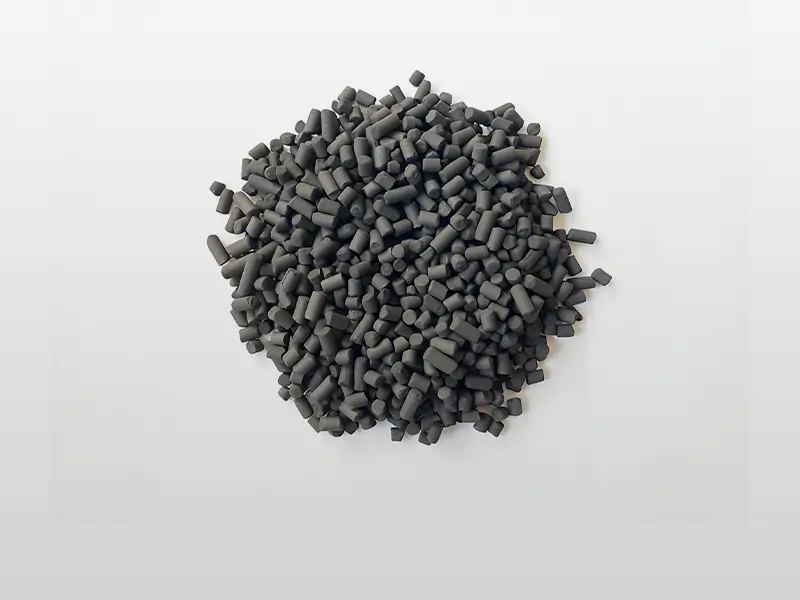
- ヨウ素価:600-1200
- メッシュサイズ:1×4/4×8/8×16/8×30/12×40/20×40/20×50/30×60/40×70 (その他のサイズはお問い合わせください)
- 見かけ密度400-700
当社の活性炭を使用する理由

Optimized Pore Structure:
Maximizes adsorption capacity for diverse toxins while preserving essential biomolecules.

Enhanced Biocompatibility Coating:
Minimizes platelet activation and microemboli risks during hemoperfusion.

Strictly Standardized Manufacturing
Ensures batch-to-batch consistency in adsorption performance and safety.

Surface chemistry customization:
Allows targeted removal of protein-bound uremic toxins or specific poisons.

Validated clinical performance:
Demonstrates reliable toxin clearance rates across critical care scenarios.
プロセスと技術
1. Hemoperfusion For Acute Poisoning
ソリューションの概要
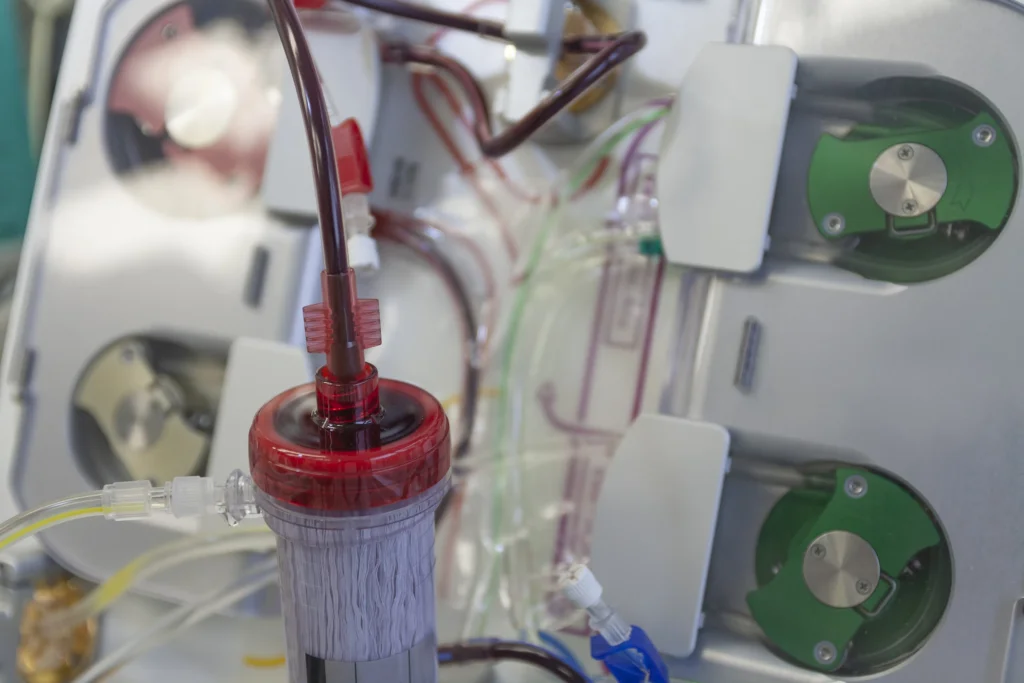
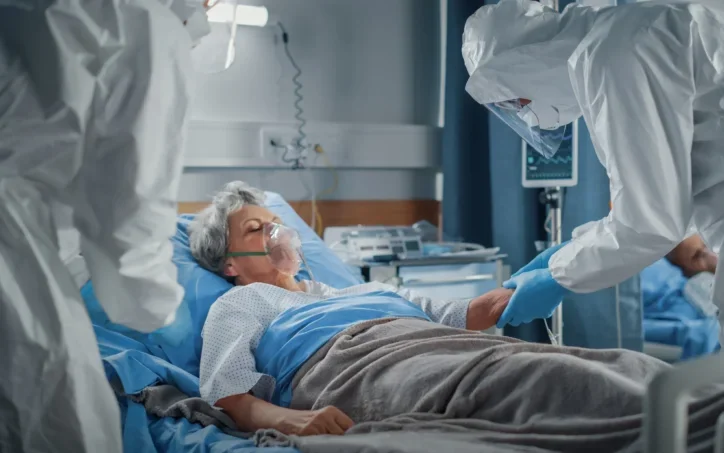
Direct blood circulation through charcoal-coated cartridges to rapidly adsorb ingested toxins/drugs before systemic absorption.
主な利点
- Broad-spectrum adsorption: Neutralizes diverse toxins including barbiturates, pesticides, and mushroom toxins
- Hemodynamic stability: Maintains blood pressure better than whole-blood purification methods
- Rapid intervention: Shortens toxin half-life faster than conventional hemodialysis
- Portability: Enables bedside emergency deployment
2.ombined Hemodialysis-Hemoperfusion (HD-HP) for Uremia
ソリューションの概要
Hybrid system pairing charcoal adsorption with conventional dialysis to address protein-bound uremic toxins.
主な利点
- Enhanced toxin clearance: Removes both water-soluble (e.g., creatinine) and protein-bound (e.g., indoxyl sulfate) toxins
- Extended filter lifespan: Charcoal component protects dialyzer membranes from fouling
- Reduced inflammation: Lowers pro-inflammatory cytokines better than dialysis alone
- Symptom management: Better controls pruritus and neurological symptoms in renal failure
3. Hepatic Failure Support Systems
ソリューションの概要
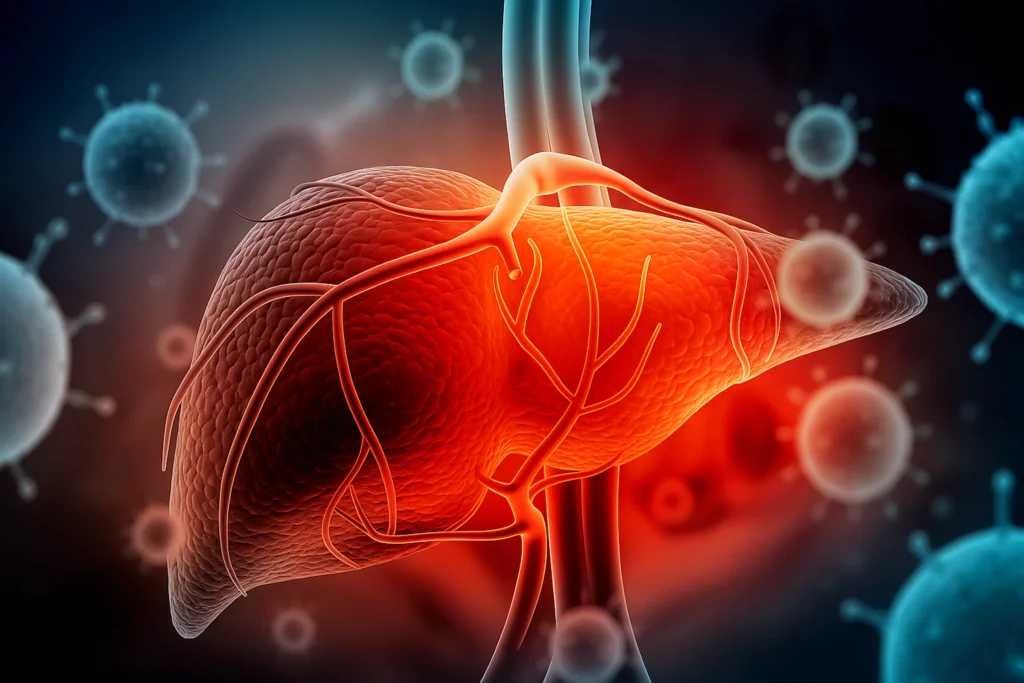
Charcoal columns integrated with albumin dialysis to adsorb liver failure-associated toxins like bilirubin and bile acids.
主な利点
- Albumin regeneration: Clears albumin-bound toxins without albumin loss
- Bridge to transplantation: Stabilizes patients awaiting donor organs
- Multi-organ support: Simultaneously addresses renal and hepatic toxin accumulation
- Bilirubin reduction: Specifically targets jaundice-causing compounds